
It has been 74 days since the September election, and Sweden still lacks a government.
The fact that it has taken so long, and continues to take so long, is causing trust in politicians to decline, according to Eva Ossiansson, a senior lecturer in marketing at the School of Business, Economics and Law at the University of Gothenburg.
She emphasizes that trust is largely based on believing that someone can deliver on the promises they have made.
Here, voters have invested in something as important as going to vote to get a government. Ultimately, the party leaders are the ones who have to deliver on that promise - and when they don't, of course we are very disappointed and discouraged, she says.
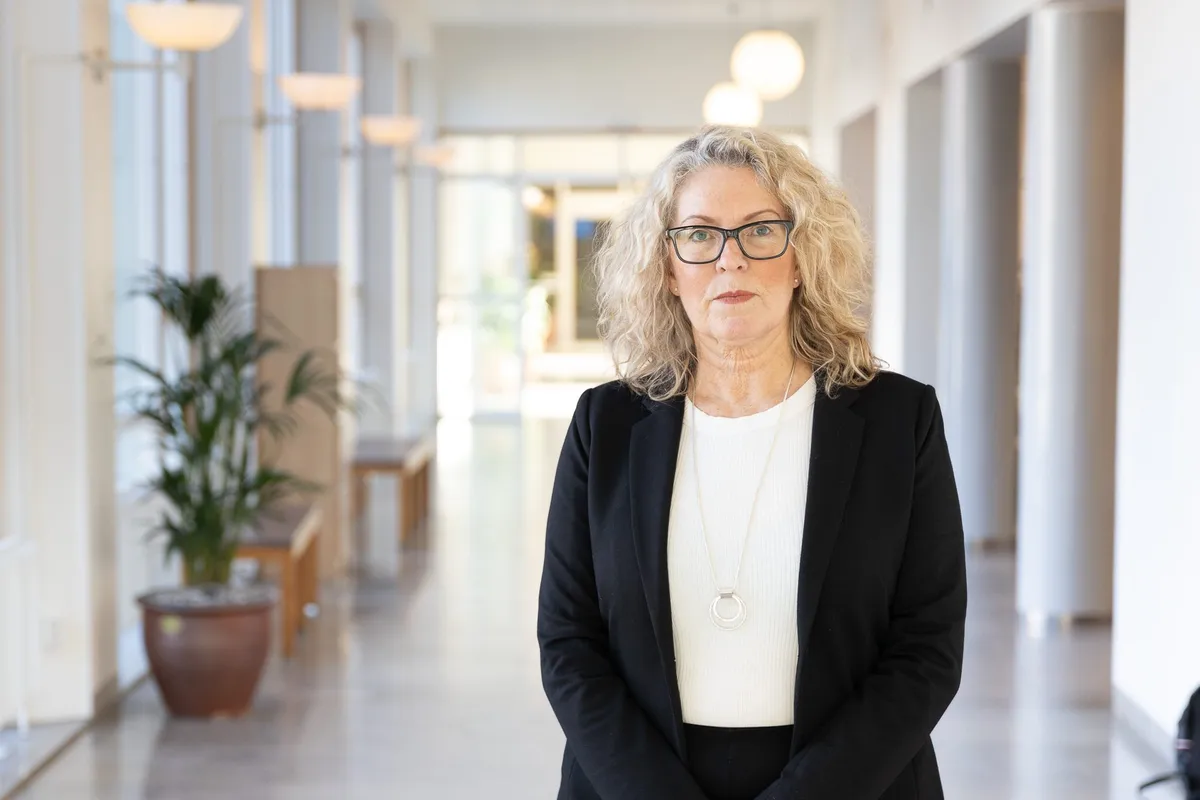
Eva Ossiansson, brand researcher at the University of Gothenburg.
Frustration
She believes many people find it difficult to make sense of all the twists and turns, which lead to strange outcomes. The Center Party in particular has found itself in a difficult position, she says.
They have gained their mandate by being a party that does not take a stand in any direction. That makes things very difficult in this situation. Whichever path is chosen, those who have put their faith in that promise will be disappointed.
The fact that the parties blame each other for being unable to reach an agreement can also cause great frustration among voters.
In all areas of life and in business, we have to compromise. Most people think, "Get your shit together," says Eva Ossiansson.
She also points out that Sweden is currently governed by a caretaker government that is, in practice, severely limited.
It is not as if the outside world stands still while different parties draw red lines here and there. We are losing momentum, and that is what people feel.
Damaging democracy
If the parties' inability to agree continues, voters may act just like dissatisfied consumers, she says.
If they can't get it together, it will certainly be reflected in how people vote. If we are disappointed, our loyalty is not strong enough, and there is an equivalent alternative, we will choose it.
If politicians remain deadlocked for a long time and fail to form an effective government, it can have consequences for democracy, according to Eva Ossiansson.
People may simply not want to vote at all because they find it so problematic and feel that what they do no longer matters.


What do you think?