
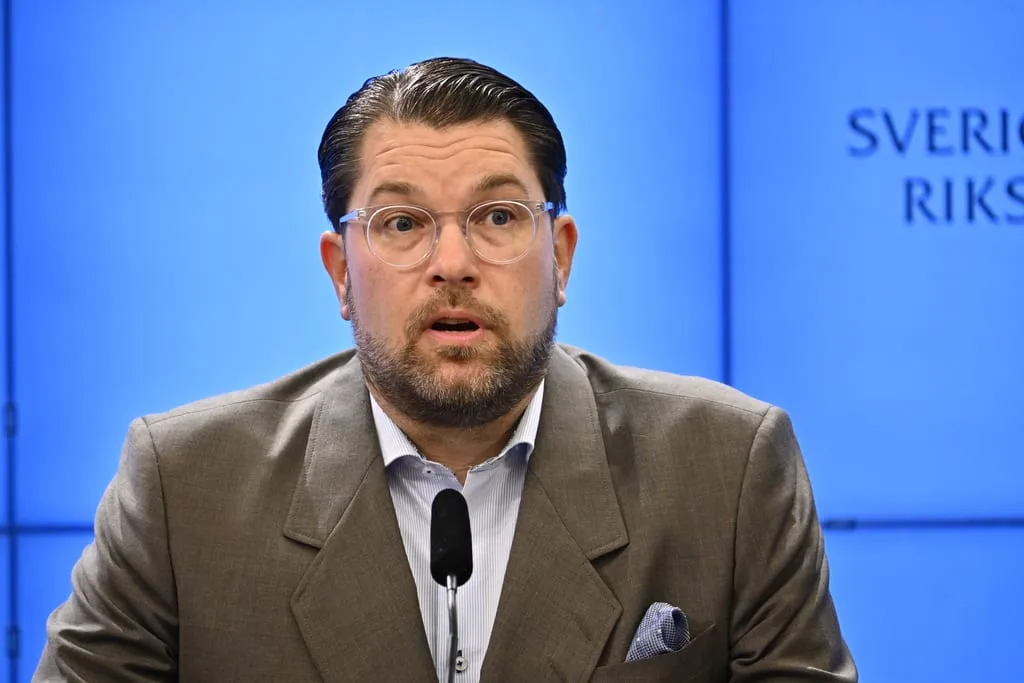
It is not surprising that the Centre Party is making this announcement a few hours after the Sweden Democrats said they were dropping their demand to be part of the government, according to Jonas Hinnfors, a professor of political science at the University of Gothenburg.
When the SD broke its election promise, it also broke the red line that had made things difficult for the right. They have started to shift the political landscape. At least it will be a little easier for the C to consider moving to the right.
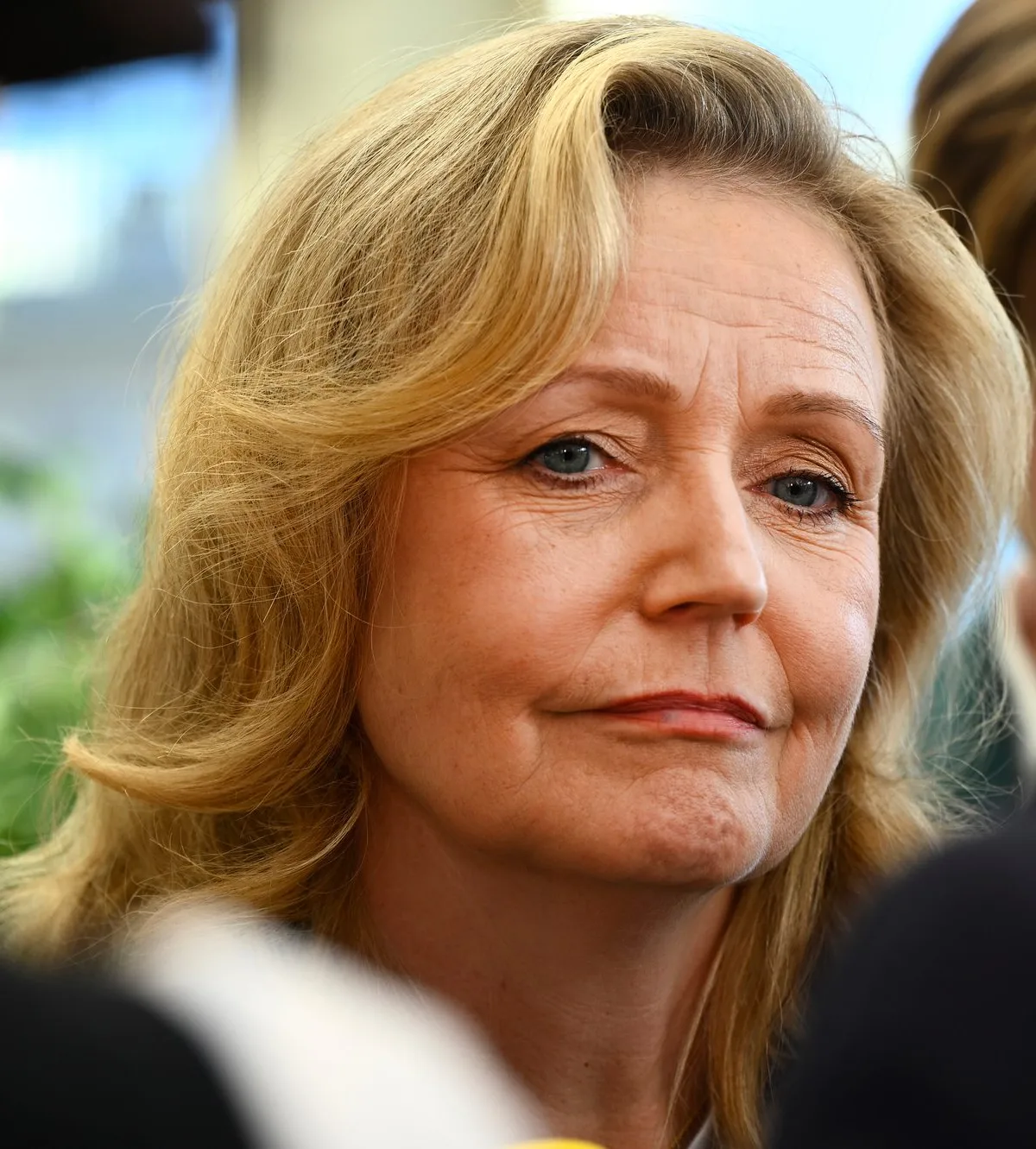
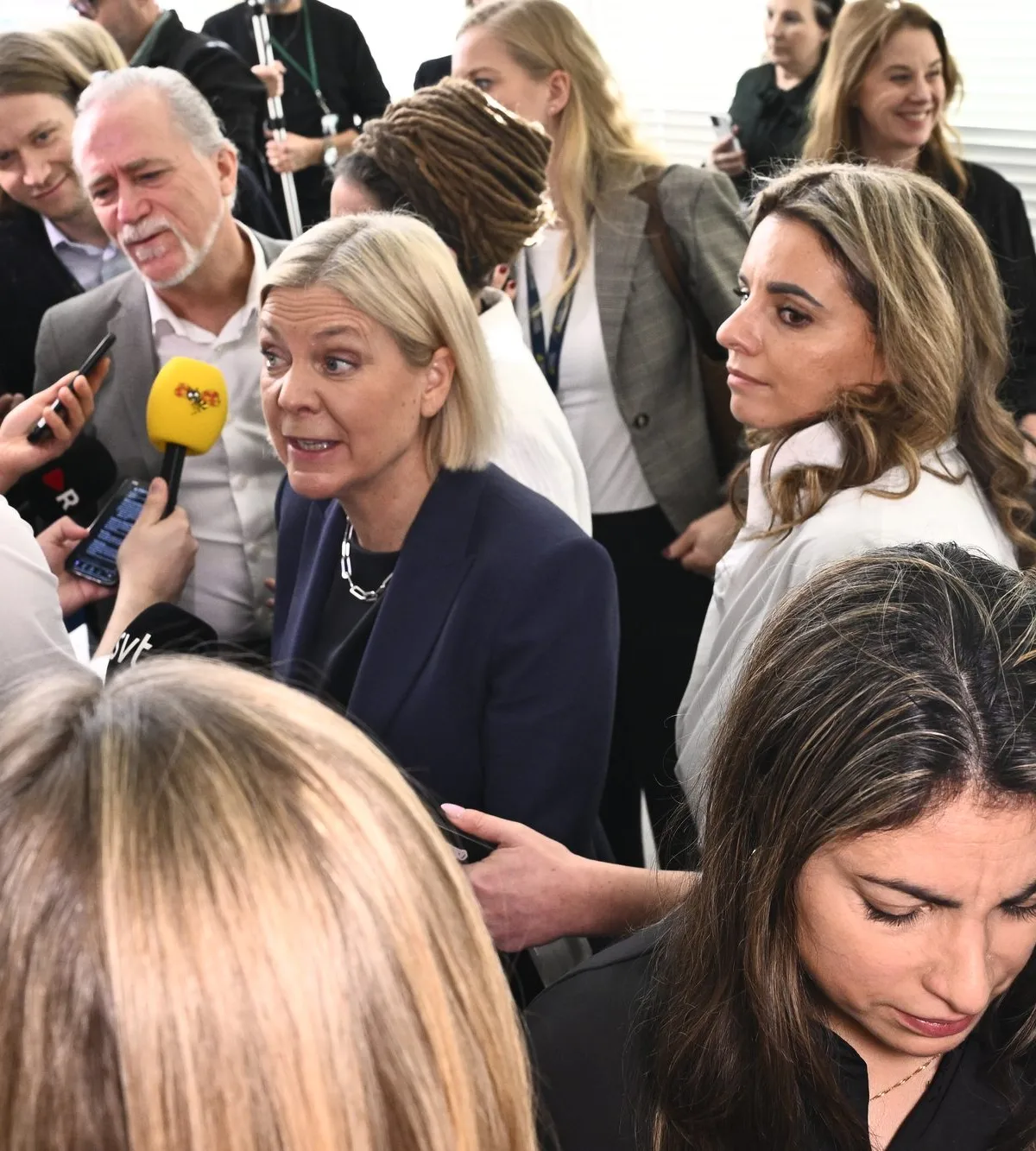
On Friday, Elisabeth Thand Ringqvist announced that she was demanding that the Social Democrat leader Magdalena Andersson and Moderate leader Ulf Kristersson each present their own overall proposal for how they want to govern Sweden by next Friday at the latest. This could benefit the C, Jonas Hinnfors believes.
The C is opening up the possibility of working with both the right and the left, making both sides believe they could turn to the other. This could mean that the C gets more of its policies adopted. If Kristersson and Andersson agree to this, it is important for them to sweeten their offers as much as they can to make the C happy.
Jonas Hinnfors says he has not seen similar strategies during government formation talks, but gives an example from 2002, when the Green Party began negotiating with the centre-right parties. The talks failed, and the party then turned to the S. This led to the MP getting some of its environmental demands adopted, despite the S having previously opposed them.
The C's approach may work, but it may also be that neither the S nor the M comes up with anything appealing to the C. We do not yet know whether the Centre Party's move is foolhardy or very clever. It is a high-stakes game.




What do you think?