Belgian Prime Minister Bart De Wever has so far not given up on using frozen Russian state assets as the basis for a multi-billion dollar loan to Ukraine. The money is physically located in Belgium and De Wever is concerned about possible future Russian claims for damages.
Throughout Thursday, negotiations and pressure have been ongoing in various constellations to get Belgium to give up its resistance, but without result.
During tonight's dinner, the discussions will continue, and it is unclear how long they will last.
"Belgium will not accept a solution where we are the only ones who bear both the risks and the responsibility," De Wever told the Belgian parliament ahead of the summit, according to the AFP news agency.
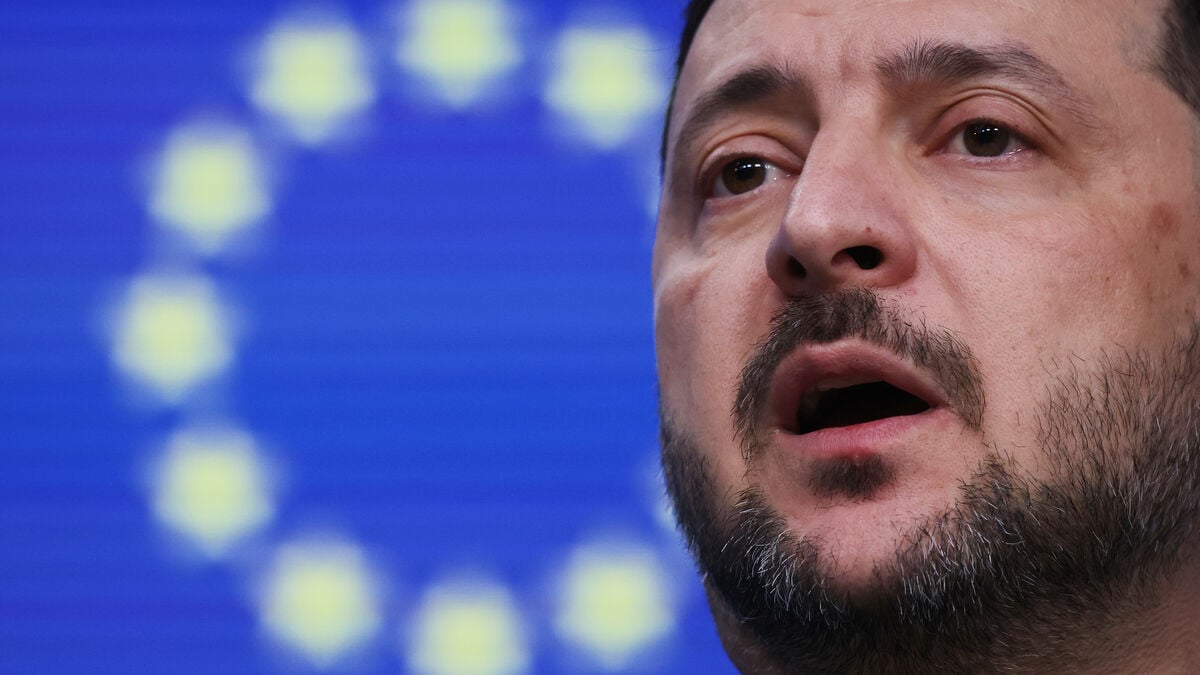
Zelensky also took the opportunity to have his own meeting with de Wever in Brussels, and he says he understands the Belgians' concerns about the Russian threats.
But it's not as scary as when Russia is at your border, he notes at a press conference.
“Most important meeting”
Zelenskyy's presence at the summit puts extra pressure on EU leaders to reach a decision. The decision must be made by the end of the year at the latest. Otherwise, Ukraine risks running out of money this spring.
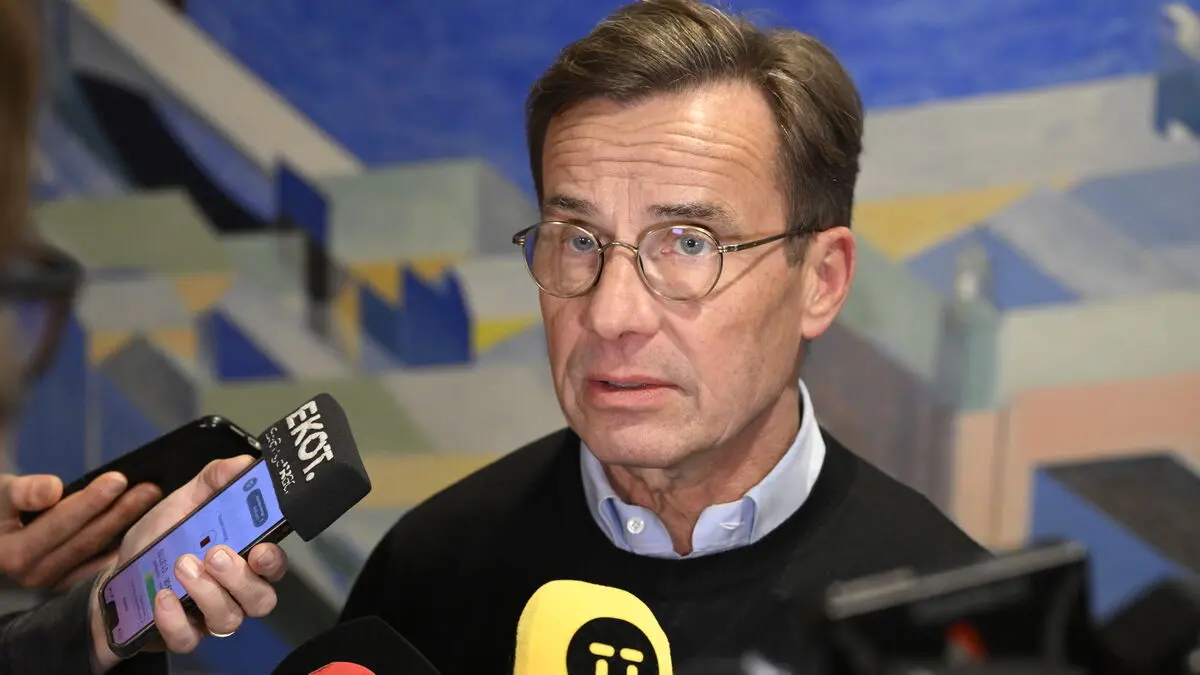
Prime Minister Ulf Kristersson (M) emphasizes the seriousness of the situation.
"This is probably the most important EU summit since the war broke out four years ago. There will be very long discussions. I will stay all night if necessary," says the Prime Minister on his way into the meeting.
Kristersson's Polish colleague Donald Tusk, however, does not mince words.
"It's either money today or blood tomorrow. And I'm not talking about Ukraine, but the EU. Europe's leaders must finally show maturity," Tusk said on his way into the meeting.
Share the risk?
EU leaders have two options before them: either a “regular” EU loan, based on the EU budget, or what is called a compensation loan based on the Russian assets.
However, the usual loan requires all countries to say yes – something that is already considered impossible due to opposition from Hungary.
Secondly, a majority decision is enough – even if most of the leaders simultaneously emphasize the importance of bringing Belgium on board – you cannot run over the country that houses 90 percent of Russian assets. And you cannot leave the country alone responsible.
According to the European Commission's calculations, there are a total of 210 billion euros in frozen Russian state assets in the EU.
The majority – 185 billion – is held by the securities institution Euroclear in Belgium. The other 25 billion is held by other institutions in the country, but also in France, among others. There is also a smaller amount in Sweden – but only around 120,000 kronor.
Of the assets, the European Commission now wants to earmark €45 billion for repayment of previous loans that Ukraine received through a G7 deal last year. €90 billion is proposed to be lent to Ukraine in 2026 and 2027, leaving €75 billion available for possible future needs for the country.
Source: European Commission, Minister for Foreign Affairs Maria Malmer Stenergard.