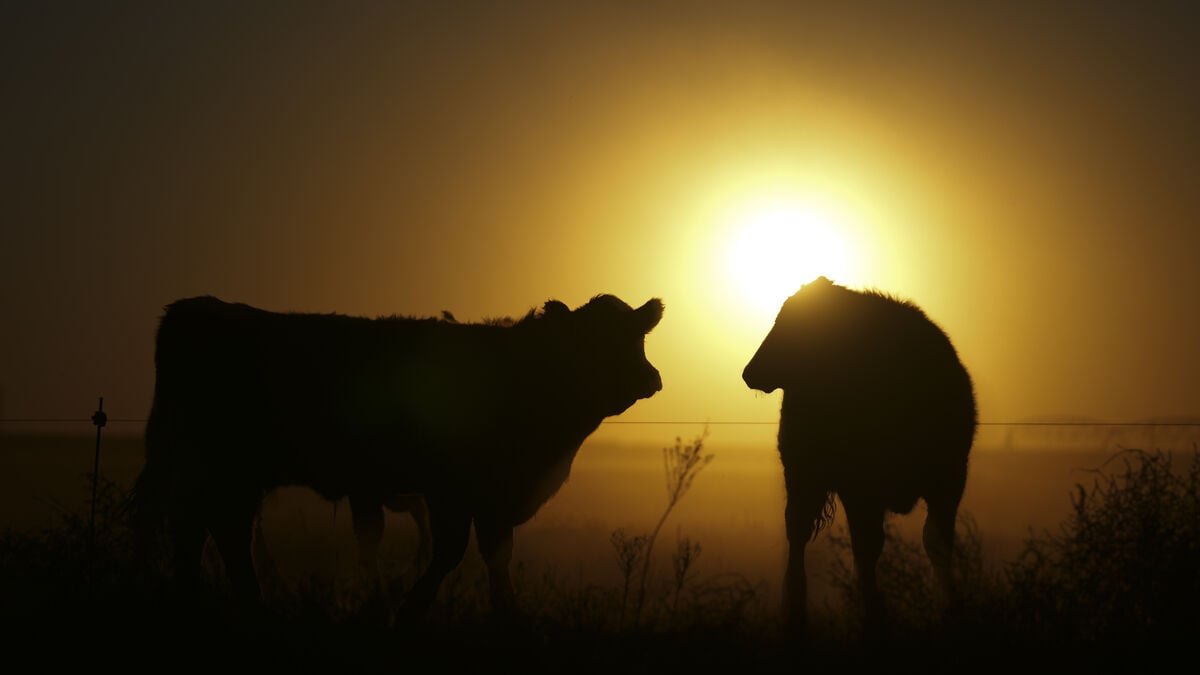
The majority of methane emissions come from leaks in fossil fuel infrastructure, livestock, rice fields and landfills. At COP26 in Glasgow in 2021, 159 countries agreed to reduce emissions by 30 percent by 2030. The report presented at the UN climate summit COP30 shows the opposite.
But even though emissions are increasing, they are doing so at a slower pace. According to UNEP's analysis, countries' actions and commitments so far will reduce emissions by eight percent by 2030. That is far from the 30 percent target, but could still be the largest and most sustained reduction in methane emissions in history.
Methane is sometimes called the emergency brake of climate change. On the one hand, it is a greenhouse gas, on the other hand, it only stays in the atmosphere for twenty years – compared to carbon dioxide, which remains in the atmosphere for up to a hundred years. Therefore, reducing methane emissions would quickly have an effect on global warming.
The technology to reduce emissions already exists and the benefits of cutting emissions outweigh the costs, according to the report.
"Reducing methane emissions is one of the most immediate and effective actions we can take to slow the climate crisis and at the same time protect human health," said UNEP Director-General Inger Andersen in a press release.