Concerns about the economic consequences have characterized the recent weeks following the outbreak of the war in Iran.
KI, like other actors, sees consequences for the Swedish economy and believes inflation threatens to rise as a result of soaring energy prices. However, the main scenario in the new forecast is that the macroeconomic effects will be relatively small and will have little impact this autumn.
Many other actors have a more gloomy view. What does KI know that they don't?
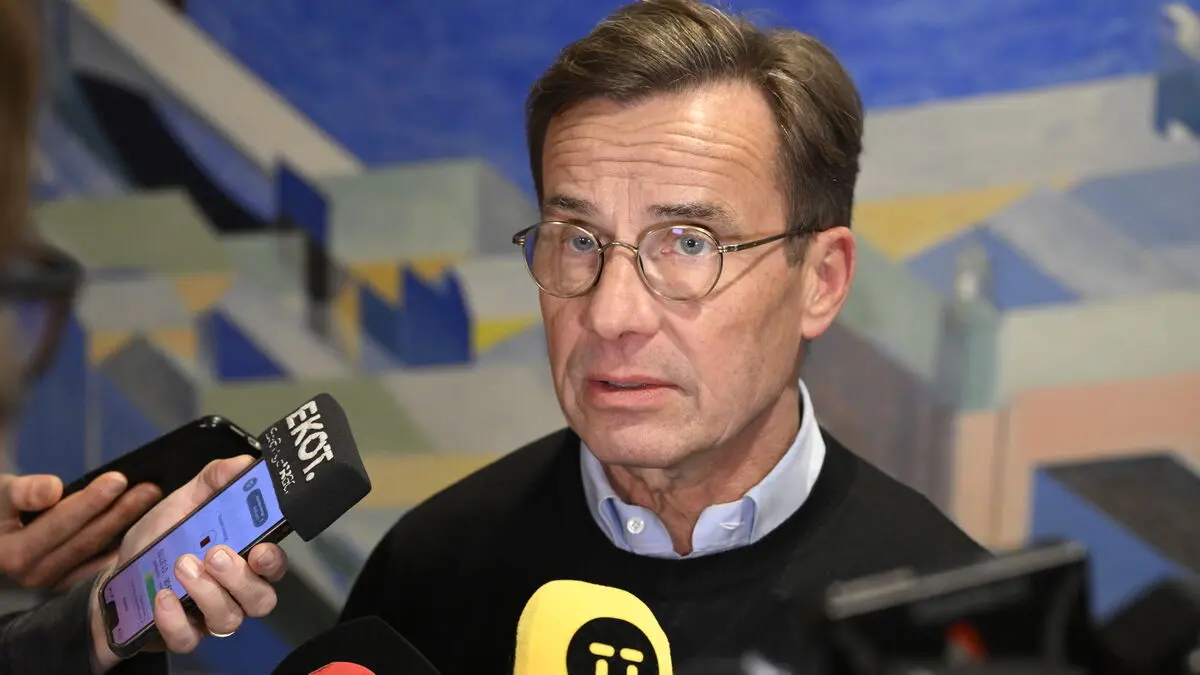
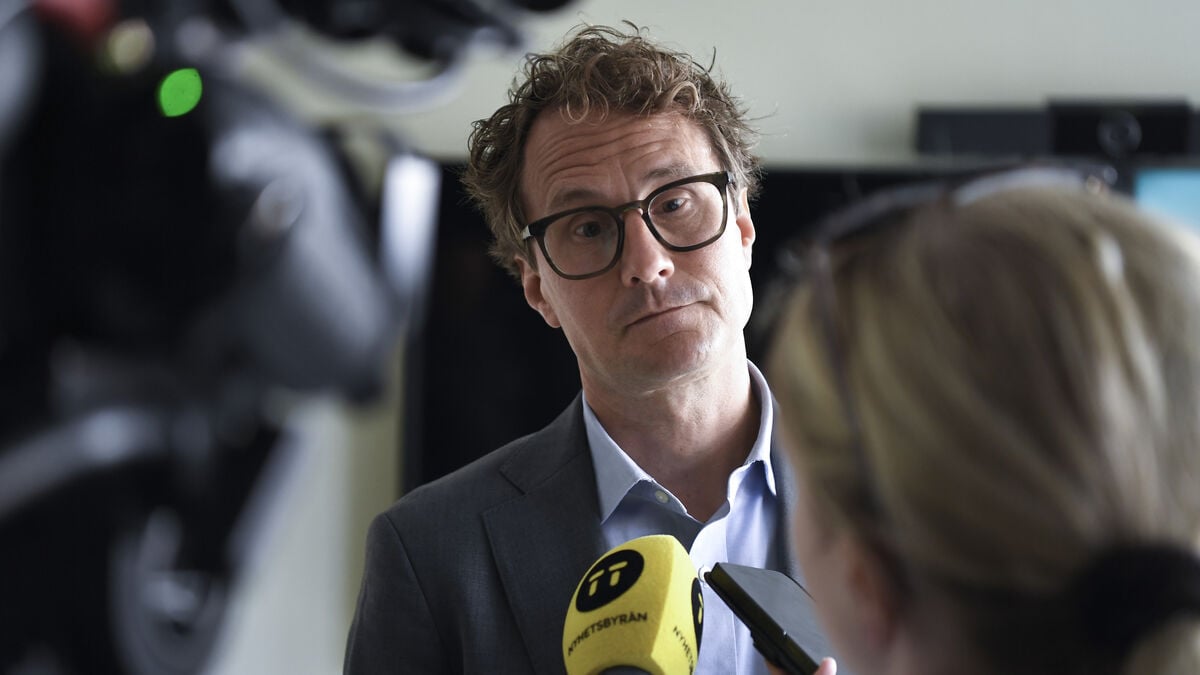
"We are not really making a forecast of how long the war will last, but rather the effects of the war. If we look at the oil price going forward and the market's pricing, the price will remain high, but the effect of that will not be that great for the Swedish and global economy," says KI's Director General Albin Kainelainen to TT.
Revising up
Although KI is now revising CPIF inflation up by 0.7 percentage points, it is still below the Swedish Central Bank's inflation target. This means that KI expects another interest-rate hike this year.
The price of oil, of course, matters, but it matters much less than it did in the 1970s, for example. The oil price shocks then had very large effects on the economy. In order for us to have larger effects, we assume that the price increases begin to spread widely in the economy, as they did a couple of years ago.
At the same time, news about the Iran war is characterized by private economic consequences such as rising gasoline prices, higher mortgage costs and the significance it may have on food prices.
However, according to KI, there are no signs of a worsening sentiment among Swedish households, which is consistent with historical trends.
"You can feel worried about world developments, but when you ask about the economy, it has quite a small effect. Unfortunately, there is always a war going on somewhere, but it usually affects Swedish households' finances very little, so I think households distinguish this."
Small effect
At the same time, the Tidö parties have just announced a new electricity subsidy. The last time this happened, KI's initiative was questioned. Albin Kainelainen sees a difference this time as the subsidy is paid retrospectively.
"For the economy to develop well going forward, I don't think it makes any difference to give money retrospectively. It probably has a minimal effect and involves very little money in terms of the total size of the budget."