"(Israel's) army will attack infrastructure belonging to the terrorist organization Hizbollah at several locations in southern Lebanon in the near future", wrote spokesperson Avichay Adraee on X, referring to the Islamic Hizbollah movement on Thursday.
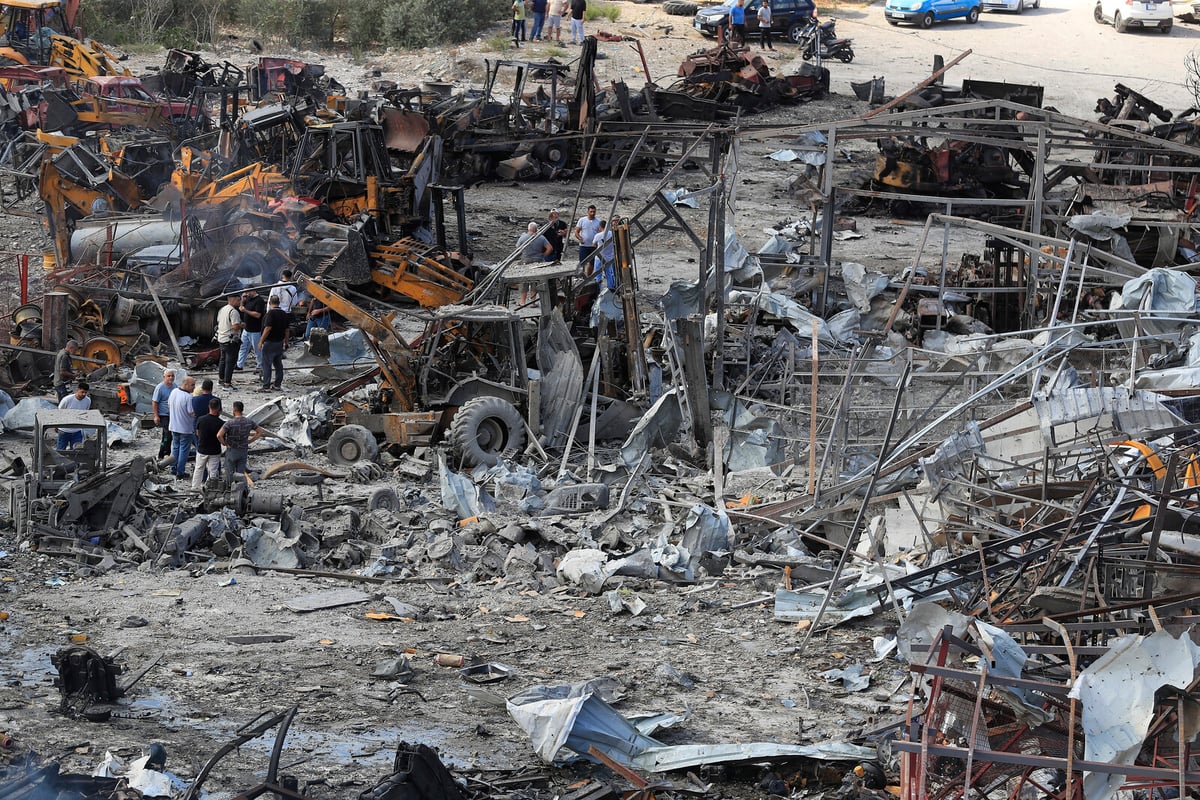
Shortly thereafter, Israel confirmed the attacks, which were carried out against the three cities of Mais al-Jaba, Debbin and Kfar Tibnit.
Later, both Israel and Lebanese media confirmed that the cities of Debbin and Burj Qalawiya had also been attacked. Personal injuries were reported, but no fatalities. However, smoke clouds could be seen from, for example, the city of Debbin from a distance, reports AFP's reporter on the scene.
Roads leading out of the cities were clogged by fleeing residents.
Lebanon's national news agency NNA confirmed the attacks and said that congestion prevailed on the roads from Kfar Tibnit as many tried to flee.
The Israeli attacks sparked outrage in Beirut. Lebanon's Prime Minister Nawaf Salam urged the international community to "put maximum pressure" on Israel to prevent new Israeli military attacks on targets in Lebanon.
The statement was made before the attacks.
Despite Israel and the Iran-backed Shia militia Hizbollah agreeing to a ceasefire in November last year, Israel has continued to repeatedly bomb targets in Lebanon, mainly in the southern parts but also in the capital Beirut. Israel also still has several outposts in southern Lebanon, in contravention of the agreement.