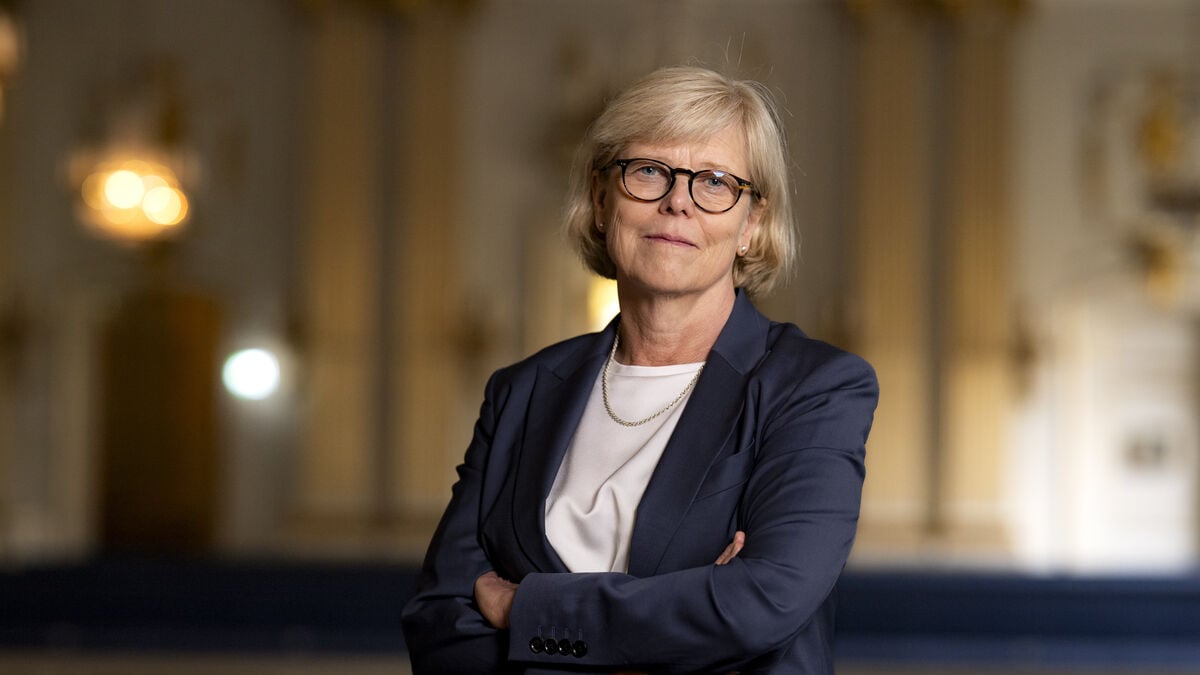
Kristina Axén Olin (M):
Today's political tone in debates is unfortunately often sad, sharp and superficial. I also see this pattern in society in general. Many people tend to have no barriers to what they say, how and on what occasion. Perhaps I have become too "old", but I miss politicians who are humble, reasoned, educated and who dare to say that they do not have all the answers. And who refrain from personal attacks and alarmist tones.
Malin Danielsson (L):
Yes, and maybe even more than that. I'm thinking both about the tone and the breadth of the conversation. For me, it's important that we manage to have a lively discussion about culture, with different opinions and perspectives, but without losing respect for the fact that culture has its own value. It should not be reduced to a tool for other political purposes.
If you think about the tone of the political debate in general, I think we would all benefit from more thought and reflection. Today, in the fast-paced media landscape, politicians are expected to give quick answers while in-depth thinking and reflection are not rewarded.
Roland Utbult (KD):
If the tone that exists between us in the Riksdag's Culture Committee could be the standard in the rest of the debate, it would be beneficial. In the Culture Committee (the committees are a kind of mini-Riksdag), we distinguish between matter and person and see the value of each other's different opinions and personalities.
Alexander Christiansson (SD):
I am concerned about the tone of the debate - not least in cultural policy. Our cultural policy has often been painted as something it is not, and in the pursuit of creating greater contrasts in the debate, unfounded attacks come from both political opponents and leading parties. Everyone has a responsibility, and I would like to contribute to a more objective cultural policy debate climate. Everyone benefits from this in the long run.
Catarina Deremar (C):
My short answer is yes, every day, and I think about how it has changed over my many years in politics. The debate has become more polarized, which is unfortunate because it is often about what culture should not be. It should be about how we should strengthen free culture and what culture means to us as individuals regardless of age and to society at large.
Mats Berglund (MP):
Within the Culture Committee, we have talked a lot about the tone of the debate, and together, across party lines, we have managed to keep the debate at a good level, without personal attacks and the like, but still so that the arguments and differences in politics come to the fore.
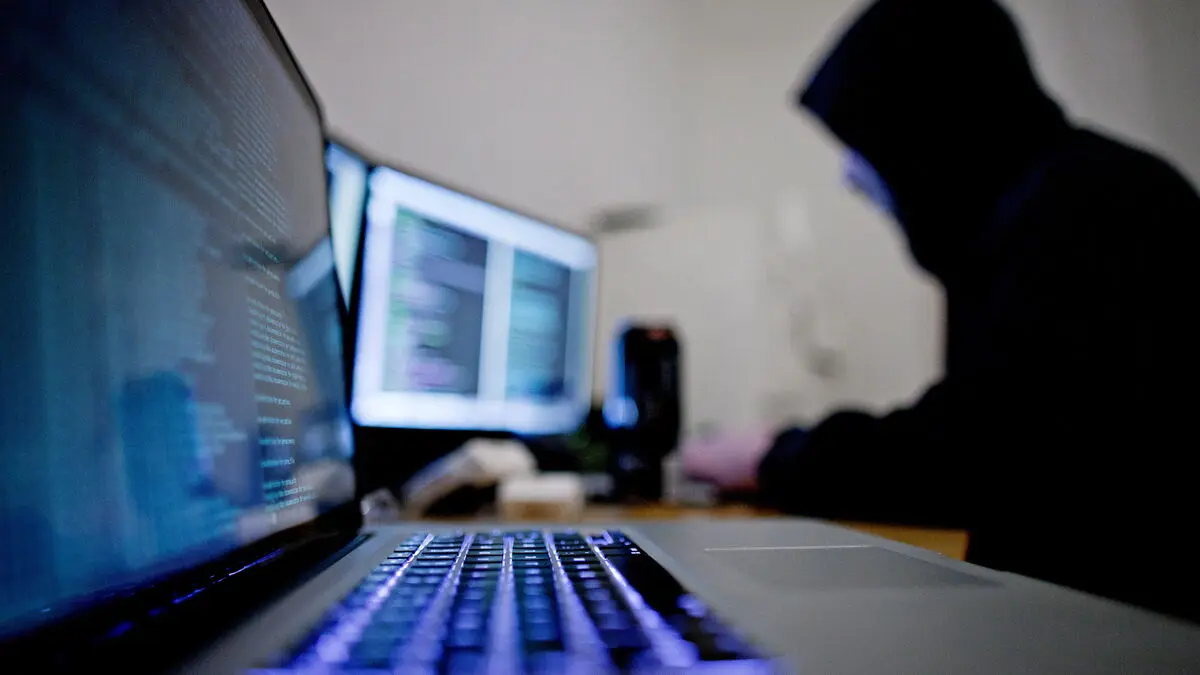
The media landscape with social media, with hard-edged media, with AI-generated content and with disinformation and troll factories, has created an extremely polarized and heated climate. Even traditional media and we politicians ourselves are unfortunately being dragged into this, sometimes poisoned, sea. It is very unfortunate.
Bjorn Wiechel (S):
There are strong economic and reactionary forces, in and outside Sweden, that make money and power by creating division and distrust. It is dangerous and it does not benefit any ordinary person in their everyday lives. We politicians have a responsibility to be transparent and honest in our debates with each other. But we also have a responsibility to ensure that there is an infrastructure for stages, spaces and media that are accessible and independent, where democratic conversations can flourish.
Vasiliki Tsouplaki (V):
It is important that we have a good debate climate that does not scare people away from politics. It is entirely possible to show that you strongly disagree without resorting to domineering techniques or personal attacks.
However, I object to the discussion that sometimes flares up where it is presented as a greater threat to democracy that politicians get angry at each other and shout or interrupt than that actual restrictions on freedoms and rights are proposed, not infrequently with racist overtones. Sometimes it can be justified to be upset, it is also a sign that one takes one's role and responsibility seriously.
Facts: The most important cultural issues of the election
Ahead of the elections this fall, TT lets a number of culture and entertainment profiles ask their most burning questions to cultural politicians - and get answers.
Ingrid Carlberg's question reads in full:
I don't want to get involved in politics and, as a matter of principle, I don't send any questions to politicians. But I wonder if you're thinking about the tone of the debate?