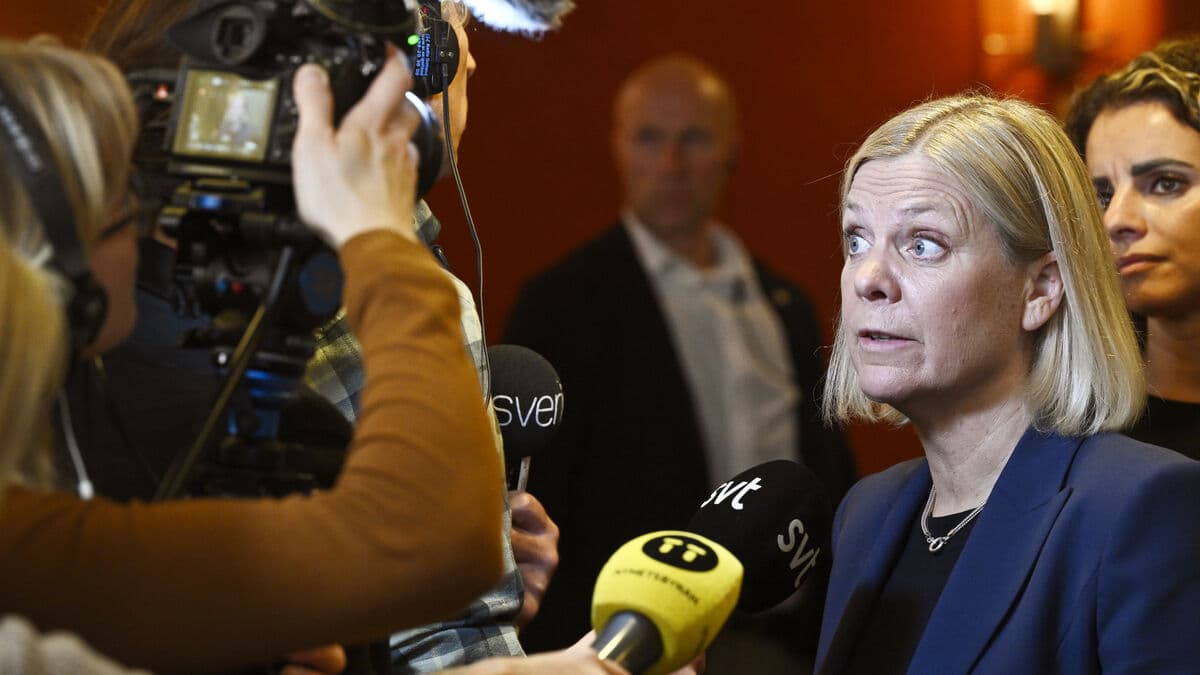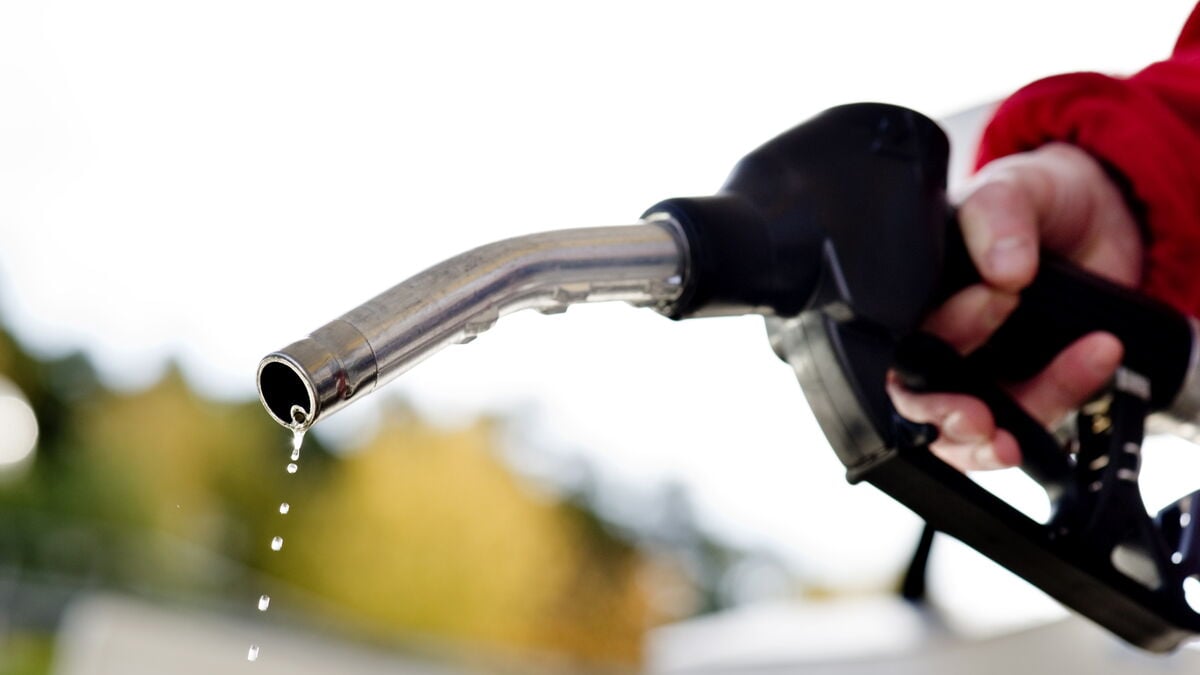
At a press conference, the government reported on the serious economic situation that has arisen after the war in Iran and the feared shortage of oil products globally and in Sweden.
Prime Minister Ulf Kristersson (M) does not rule out that fuel rationing may become necessary if the conflict in the Middle East continues for some time, even though it is not planned now.
But Jessica Alenius, CEO of the fuel industry organization Drivkraft Sverige, dismisses that threat.
"A shortage of gasoline is not on the horizon, neither in the long nor the medium term. We have a good supply of gasoline in Europe, somewhat less so for diesel," she says.
Crying wolf
"Many people are crying wolf and it's not imminent," she continues.
There is ample refinery capacity in northern Europe, and the crude oil used in Sweden is largely sourced from the North Sea.
So anyone planning a car holiday this summer doesn't need to worry?
"No," says Alenius.
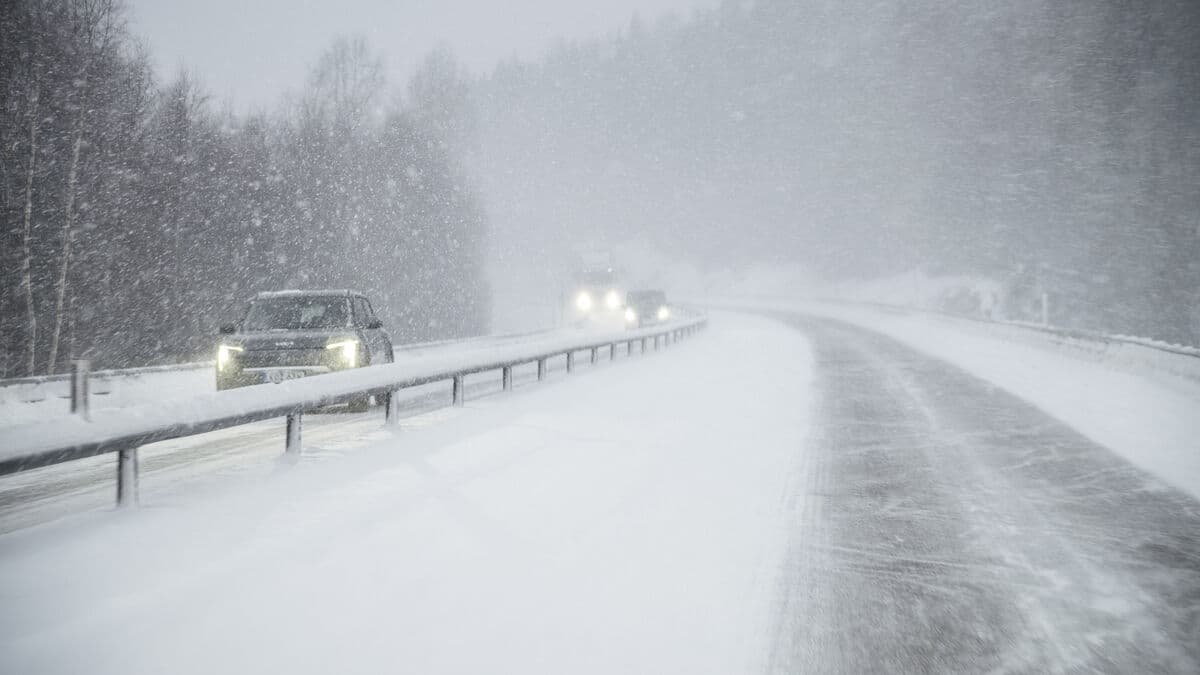
However, prices are expected to remain high. The government did not make any recommendations to Swedes today to ask them to cut back. Ulf Kristersson said that higher prices in themselves reduce consumption.
Weak link between price and demand
But that connection is weak. There are no sales statistics for March and April yet.
"But if you draw parallels to when Russia invaded Ukraine in 2022 and we had a diesel price of 28 kronor per liter, then we did not see any major losses in volumes. We in Sweden are dependent on the car for work trips, leisure trips and shopping trips," says Alenius
However, the situation is more critical for jet fuel, according to her. The International Energy Agency (IEA) says that jet fuel will reach critical supply levels within a few weeks.