It's perhaps not surprising that you lose income by working part-time. Money from the Social Insurance Agency covers just under 80 percent of your salary, and there's also a cap on how much money you can get.
But for the vast majority, vabbing does not have a particularly large impact on future pensions, according to the Swedish Pensions Agency, which says it is sometimes portrayed as a major setback.
"Vabbing affects the pension to a very small extent. The compensation from the Social Insurance Agency is pensionable, even if it may be slightly lower than the salary. In addition, the employer usually continues to pay into the occupational pension, which is therefore not affected," says Monica Zettervall at the Swedish Pensions Agency.
Part-time impact
According to the authority, this amounts to a relatively small number of kronor per month in reduced pension calculated over an entire working life.
The pension system has built-in safety nets that mean that parenthood has very little impact on the pension, says Monica Zettervall.
What rather affects the pension is, among other things, how parents choose to share parental benefit and unpaid work in the home, for which women are more often responsible. Part-time work is a factor that has a long-term impact.
If you work part-time for more than four years when your children are young, it may start to affect your pension. During the first four years, there is a pension entitlement for child-rearing years in the public pension system, which largely compensates for the loss of income.
Small difference
In general, high-income earners in the private sector are affected more than those with low and middle incomes in state and municipal sectors, according to Zettervall.
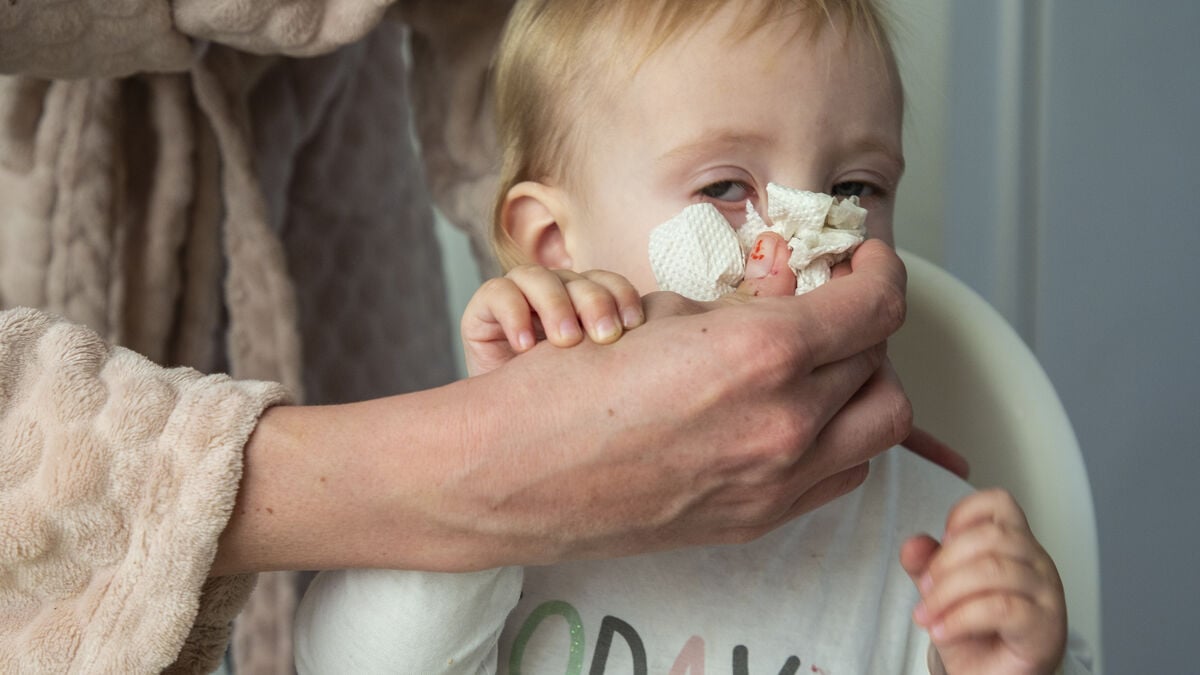
The advice from the Swedish Pensions Agency is not to worry too much about your pension when you are at home with a sick child.
"Most people who open their orange envelope won't see much difference because they've been vabbing. I think it creates a lot of unnecessary worry," says Monica Zettervall.