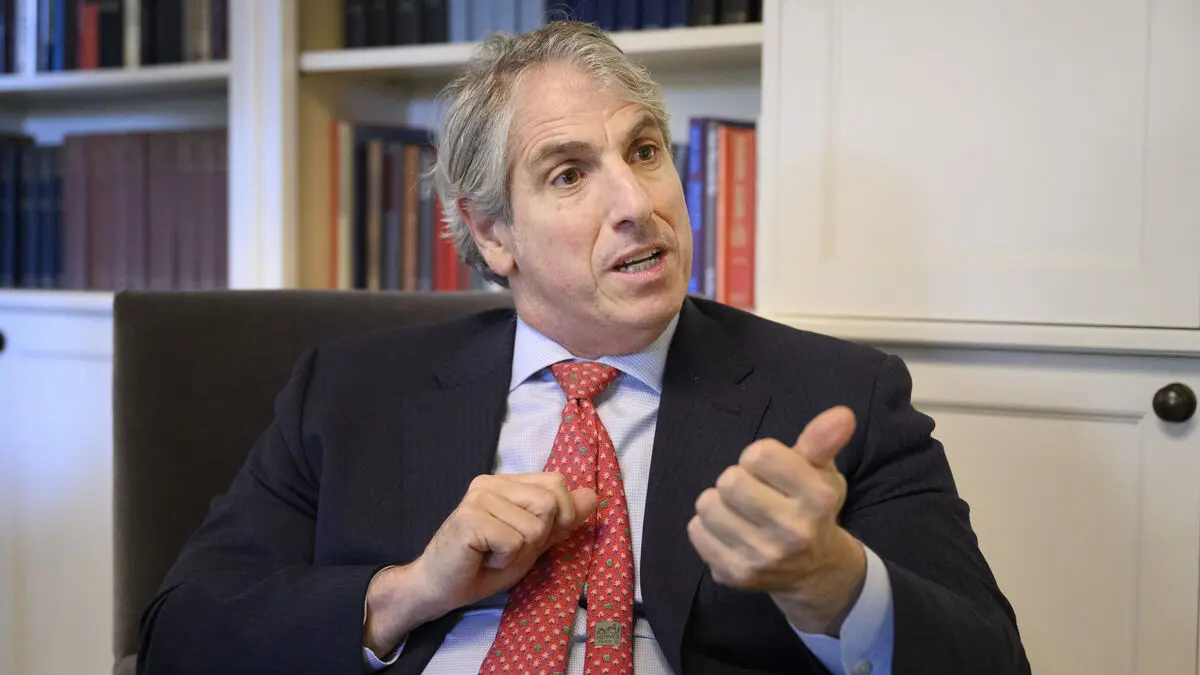
The krona is the key, says Torbjörn Isaksson, chief analyst at Nordea.
The krona - and thus the Swedish Central Bank - will probably be able to handle an ECB interest rate increase. But if the ECB raises rates further, the risk of the krona weakening increases and then the Swedish Central Bank may have to follow suit, he adds.
Then the Swedish Central Bank may need to raise rates
However, he still expects that the Swedish Central Bank will probably leave the policy rate unchanged this year.
Amanda Sundström, interest rate strategist at SEB, assumes that if the ECB raises rates three times this year, the Swedish Central Bank will need to raise rates once.
Then I find it difficult to see that the Swedish Central Bank will dare to sit still, unfortunately, she says.
But this is not her main scenario.
"I think there's a 50 percent chance of another ECB hike after this," she says ahead of Thursday's interest rate announcement.
In the fixed income market, banks and funds have already priced in an increase in the Swedish Central Bank's policy rate this year. The question market participants are asking is rather whether there will be one or two increases - totaling 0.50 percentage points - before the end of the year. The probability of two increases is currently priced at around 50 percent.
A noticeable bang
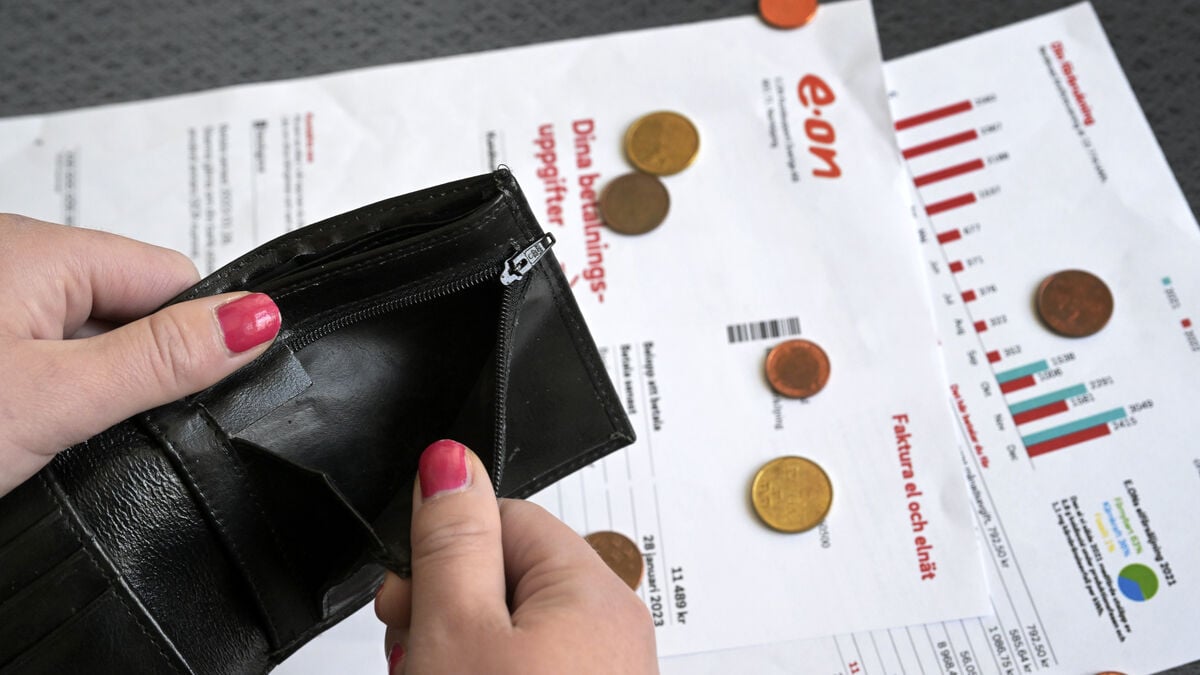
If the market is right, it will be a significant blow to many households. If the interest rate on a SEK 3 million mortgage were to be increased by 0.50 percentage points, it would push up the cost of the loan by SEK 15,000 per year - if you ignore the effects of the interest deduction.
In addition to the ECB's potential series of hikes this year, global interest rates are being pushed up as the US bond market has started to change course. The likelihood of interest rate cuts in the world's largest economy this year is essentially eliminated after a fresh round of unexpectedly strong jobs data on Friday.
Increased risk of higher interest rates comes at a time when fuel and electricity prices are being pushed up by the energy price shock from the closed Strait of Hormuz in the wake of the now more than 100-day-long Iran War.
The average interest rate on a variable mortgage (three-month fixed term) among major Swedish lenders is currently around 2.65-2.95 percent, according to the comparison site Compricer.
For a mortgage with a fixed interest rate for five years, the interest rate is higher, at around 3.00-3.60 percent depending on which bank you choose, according to the site.
Just over three out of four Swedish households with mortgages have a so-called variable interest rate - in fact a three-month fixed period. The interest rate on variable mortgages normally depends on the Swedish Central Bank's policy rate, both upwards and downwards.
For mortgages with longer maturities, banks' financing costs for mortgage bonds are also an important factor.