The EU describes the relationship-building with the 33 so-called CELAC countries as an important "partnership built on shared values". It also highlights that it has led to growing trade exchanges.
This year's host has high ambitions.
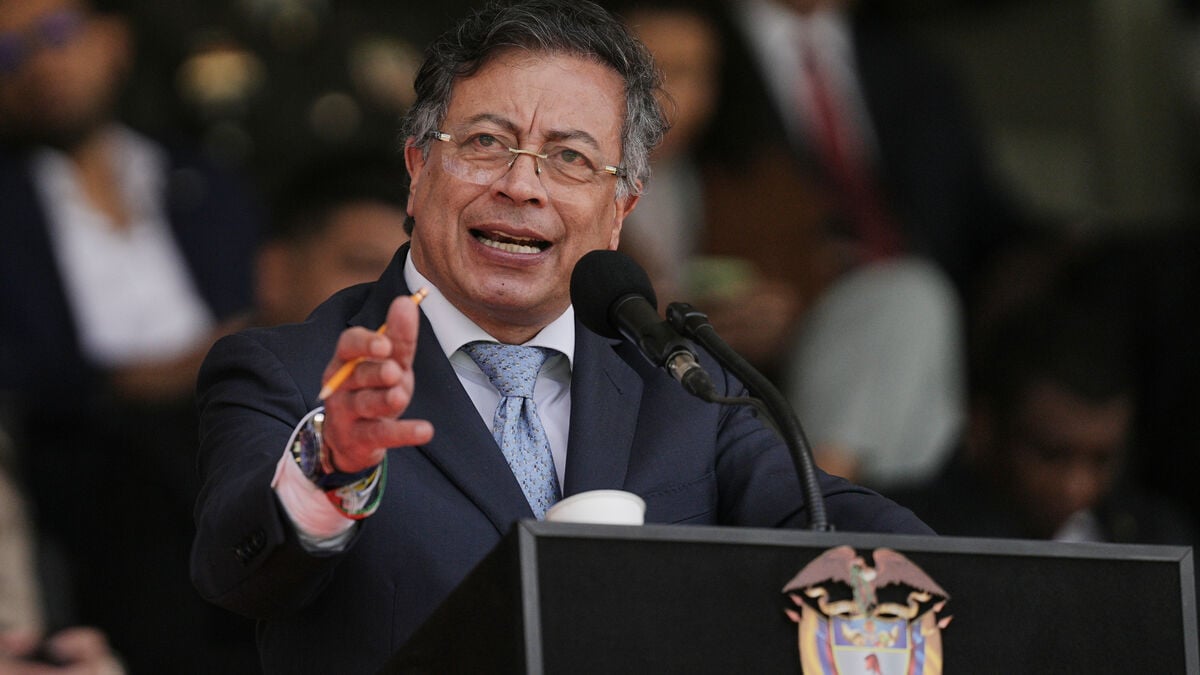
"The expectations that I have, in this situation that the world finds itself in, with problems with barbarity, are that both Europe and Latin America and the Caribbean will be able to constitute a kind of guiding star of democracy," says Gustavo Petro ahead of the meeting in Santa Marta, according to the Efe news agency.
One of the more concrete goals is to sign a joint declaration on, among other things, renewable energy, food safety and technical cooperation.
However, the discussions will be held without the EU's top brass - neither German Chancellor Friedrich Merz, French President Emmanuel Macron nor European Commission President Ursula von der Leyen will participate.
Deadly boat attacks
A clear contrast to the previous EU-CELAC meeting in Brussels in 2023, when all EU heads of state were present.
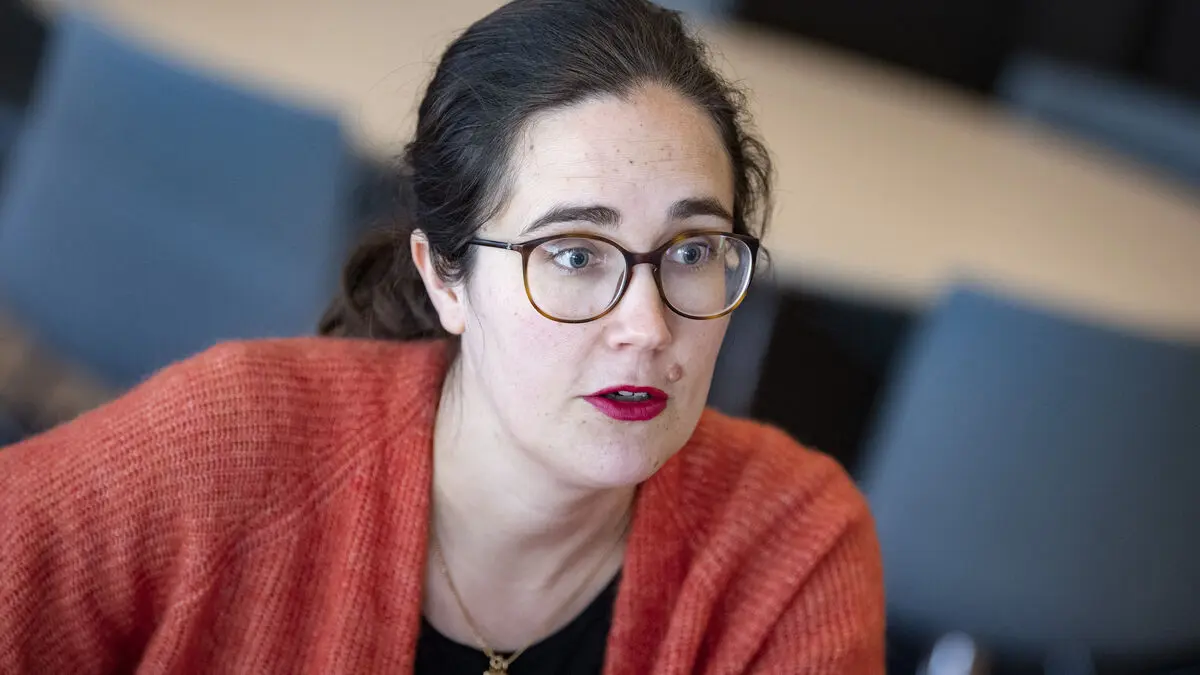
Sweden is represented by EU Minister Jessica Rosencrantz, who says they take cooperation with Latin America “very seriously.” Her priorities are more trade and exchange on issues such as the green transition and organized crime.
When many countries are closing in on themselves and there is great geopolitical turbulence, it is more important than ever for Europe to show that we are a strategic and reliable partner to hold in hand, she tells TT.
This year's meeting is also marked by the US's aggressive actions in the region. Over 60 people have been killed this fall in US attacks in the Caribbean Sea and the eastern Pacific on boats that Washington claims were used to smuggle drugs to the US.
Prioritizing Trump relationship?
At the same time, Donald Trump has imposed sanctions on the leftist Colombian president Petro.
The low European turnout at the EU-CELAC meeting is partly explained by the fact that the UN climate summit in Brazil is competing for attention. But some analysts also believe that a fear of clashing with Trump may be at play.
The notable absence of Ursula von der Leyen and Friedrich Merz sends a clear diplomatic signal, mainly driven by a desire to avoid increased tensions with US President Donald Trump, Alberto Rizzi of the think tank ECFR told Euronews .