Folksam has analyzed all fatal car accidents from 2000 to 2023 in which children were sitting. A total of 99 children aged 0–6 died. It turned out that every third child was not wearing a seat belt.
58 of the children who died were three years old or younger. Almost half of them would have survived if they had been in a rear-facing car seat, according to the analysis.
Even though cars have become safer, the survival potential has not increased, according to Maria Klingegård, traffic safety researcher at Folksam. The decisive factor is still whether a child is sitting in a rear-facing car seat or not.
"It's a problem that small children are sitting facing forward and that there are cases where people, especially children, are not wearing seat belts. Children are innocent and trust us adults to make the right decisions for them," she says.
Important to use a car seat
She emphasizes that many parents choose to turn their child forward too early. The recommendation is to sit rear-facing until at least four years old because young children do not have fully developed neck muscles.
The car seat distributes the force better so that the head and neck are not overloaded.
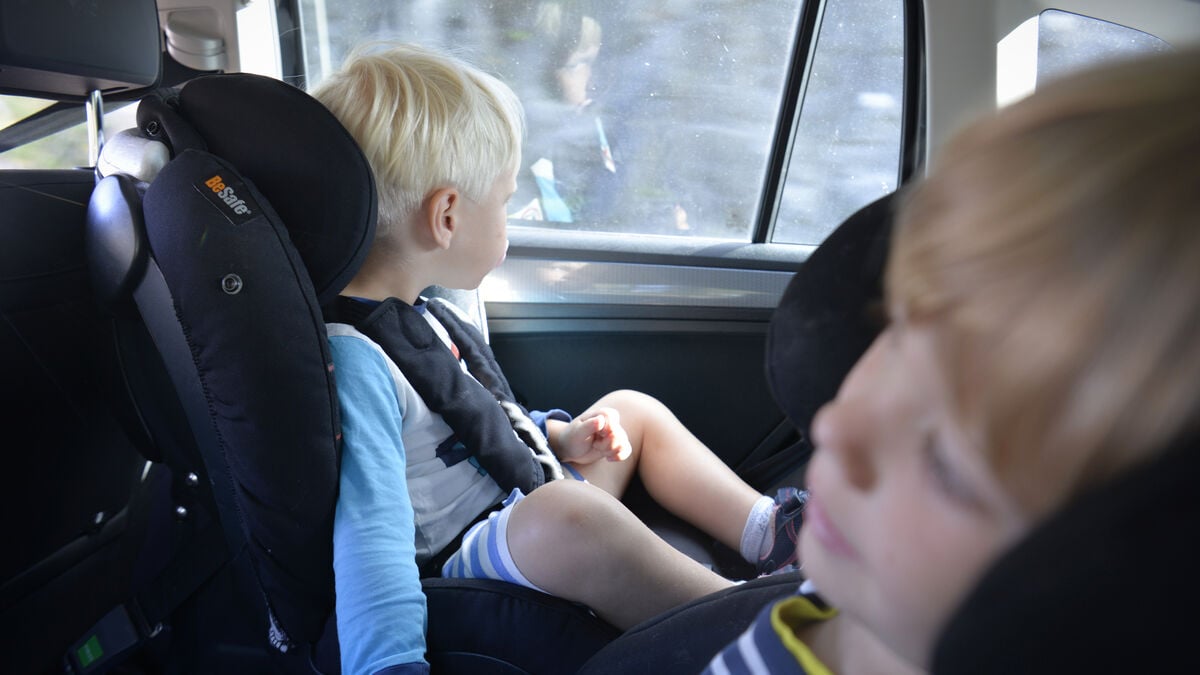
"When the child gets bigger, adults may think that it is uncomfortable to sit with bent legs. But children's bodies are much softer and the safety of the car seat is not affected by sitting with bent legs," says Maria Klingegård.
Lack of knowledge
Internationally, Sweden is a leader in child safety in cars. Maria Klingegård explains that Germany, for example, has significantly more deaths, one explanation being that people stop using rear-facing seats earlier than in Sweden.
Facts: How to think about the car seat
Folksam's study was conducted in collaboration with Chalmers Industrial Technology and Volvo Passenger Cars. The study includes the 99 children aged 0–6 who died in car accidents between 1992 and 2024. Each case was analyzed in detail. Almost a third of the children aged 0–6 were not wearing seat belts.
Of the 99 children, 58 were aged 0–3. 48 percent of them would have survived if they had been in a rear-facing child seat.
Here's how you can think about the car seat:
- Children should stay in a car seat for four years or longer. It is better to have the seat "too long" than too short.
- Choose the right car seat based on the child's size.
- Pay attention to whether the child car seat has a European approval mark: ECE R129.
- It is neither uncomfortable nor dangerous for the child to sit in the car seat with bent legs.
- Always wear a seat belt.
Source: Folksam.