Among the millions of documents the US Department of Justice has released so far, Jeffrey Epstein's influence among leading scholars and intellectuals stands out.
In numerous, years-long email exchanges, the late convicted financier discussed everything from research and research grants to more personal topics and women - in a growing network in which he asked contacts to put him in touch with other prominent figures.
The email conversations extend far back in time, even after Epstein received a short jail sentence.
“When is the party?”
Jeffrey Epstein repeatedly donated millions to research projects.
One of his contacts at Harvard helped secure him an office there, where he regularly met with economist and former Treasury Secretary Larry Summers and prominent intellectual Noam Chomsky.
“Only 13 days left, buddy!!!!! Where and when is the party?” Mark Tramo, a neurologist at the University of California, wrote in an email as Epstein approached his release in 2009.
When widespread allegations of sex crimes became public in 2018, Epstein received an email of support from the president of Bard College in New York, Leon Botstein, who hoped he was doing well under the circumstances.
Support and sexism
Yale professor David Gelernter has been suspended from his position over an email he sent to Epstein in 2011, in which he recommended a female colleague for a job by describing her as a very petite, pretty blonde.
A prominent museum curator recently resigned from a position at the School of Visual Arts in New York after he lamented in a 2015 email that his friend Epstein was "being dragged into the dirt once again."
A number of academics from various universities also appear to have visited Epstein at his home in New York or on his island in the Caribbean. Many have apologized in the media and university statements, saying they were unaware of the extent of the billionaire's crimes.
Hard to get money
Private funding plays a crucial role in science in the US, and Epstein could use it to bring in large, fast funding - and as a way into the corridors of power, says Leslie Lenkowsky, who researches philanthropy at Indiana University:
It blinded people. They saw the money coming, they perceived the risks as minimal, so they went for it.
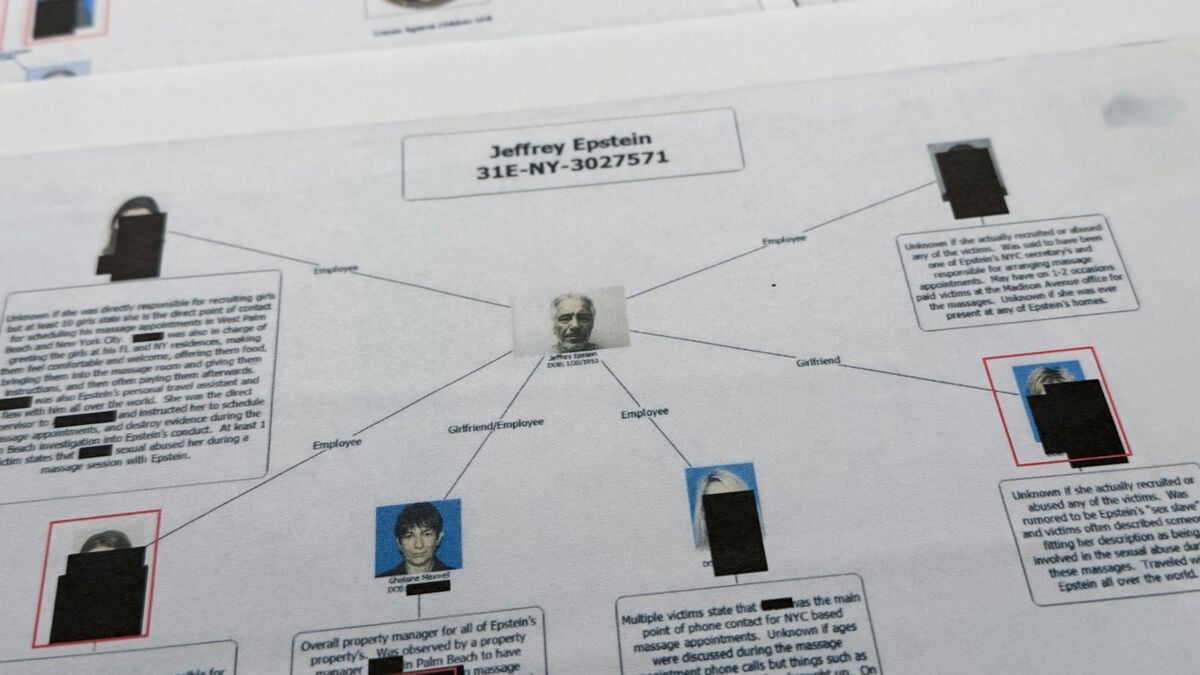
Decades of investigative material relating to the deceased multi-billionaire and sex offender Jeffrey Epstein are being made public in the United States - and his influential and celebrity-rich network of contacts emerges in interrogation logs, email exchanges and images, among other sources.
The US Congress has ordered the Justice Department to release as much material as possible from the investigations, without regard to whether anything may be politically sensitive or offensive.
Exceptions may be made for content that identifies victims of crime and depicts violence, or that is considered to risk US national security or ongoing investigations.
The department says it has published almost everything that should be released, after an initial delay. Redaction of information has been extensive and in many cases incorrect or incomplete.
Critics accuse the department of making politically motivated selections and withholding material. Members of Congress have demanded access to all the material to scrutinize the process. Individual redactions can be challenged in court.