
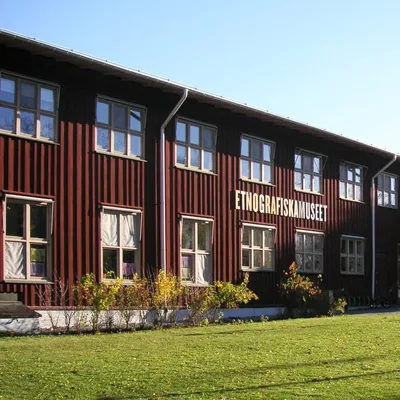
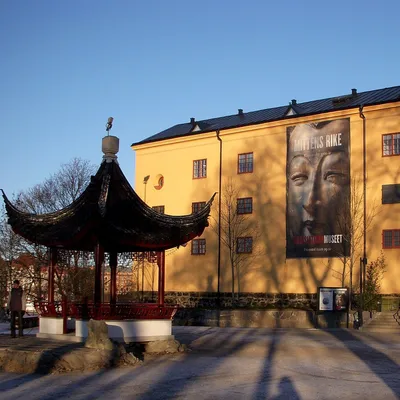
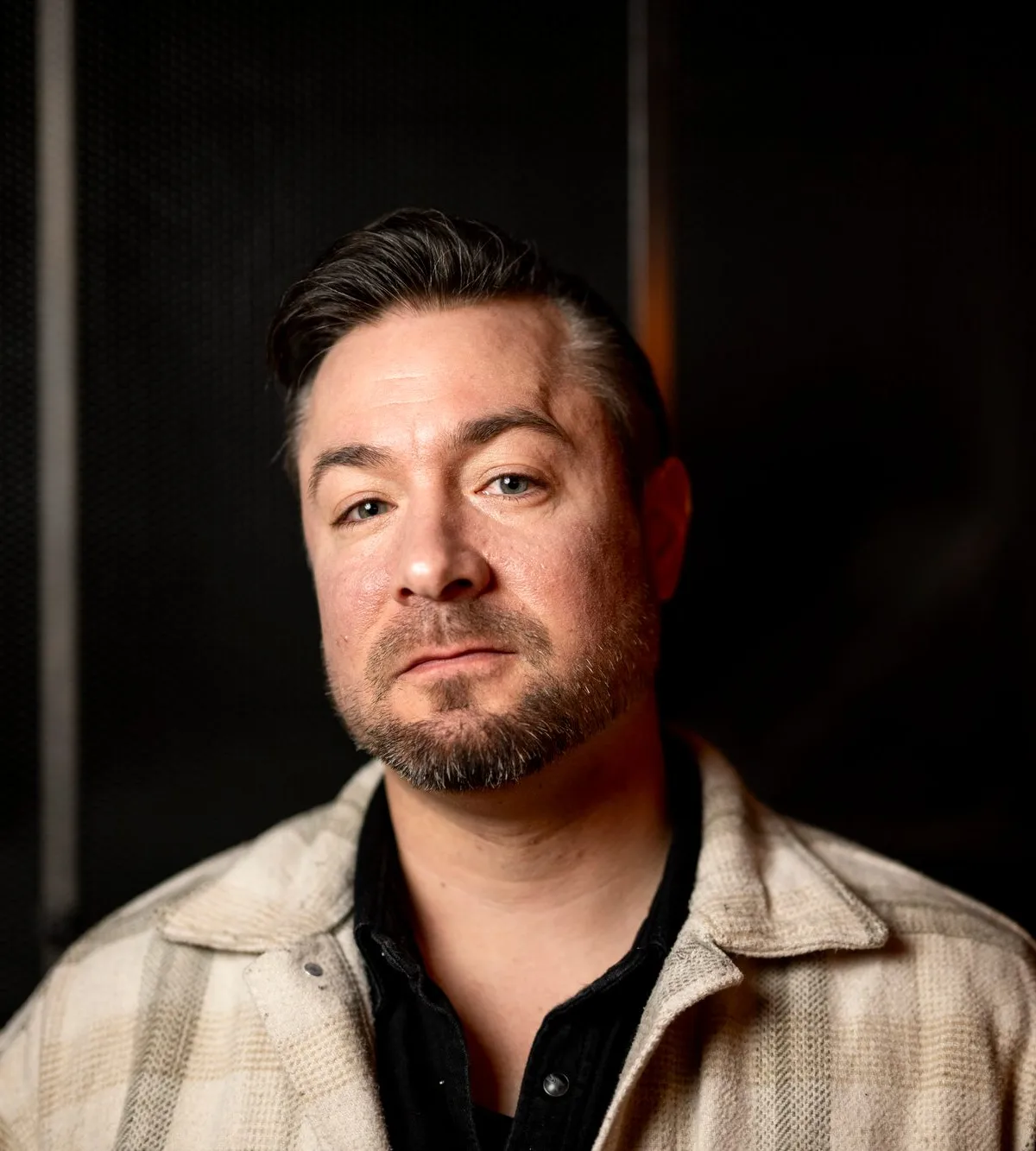
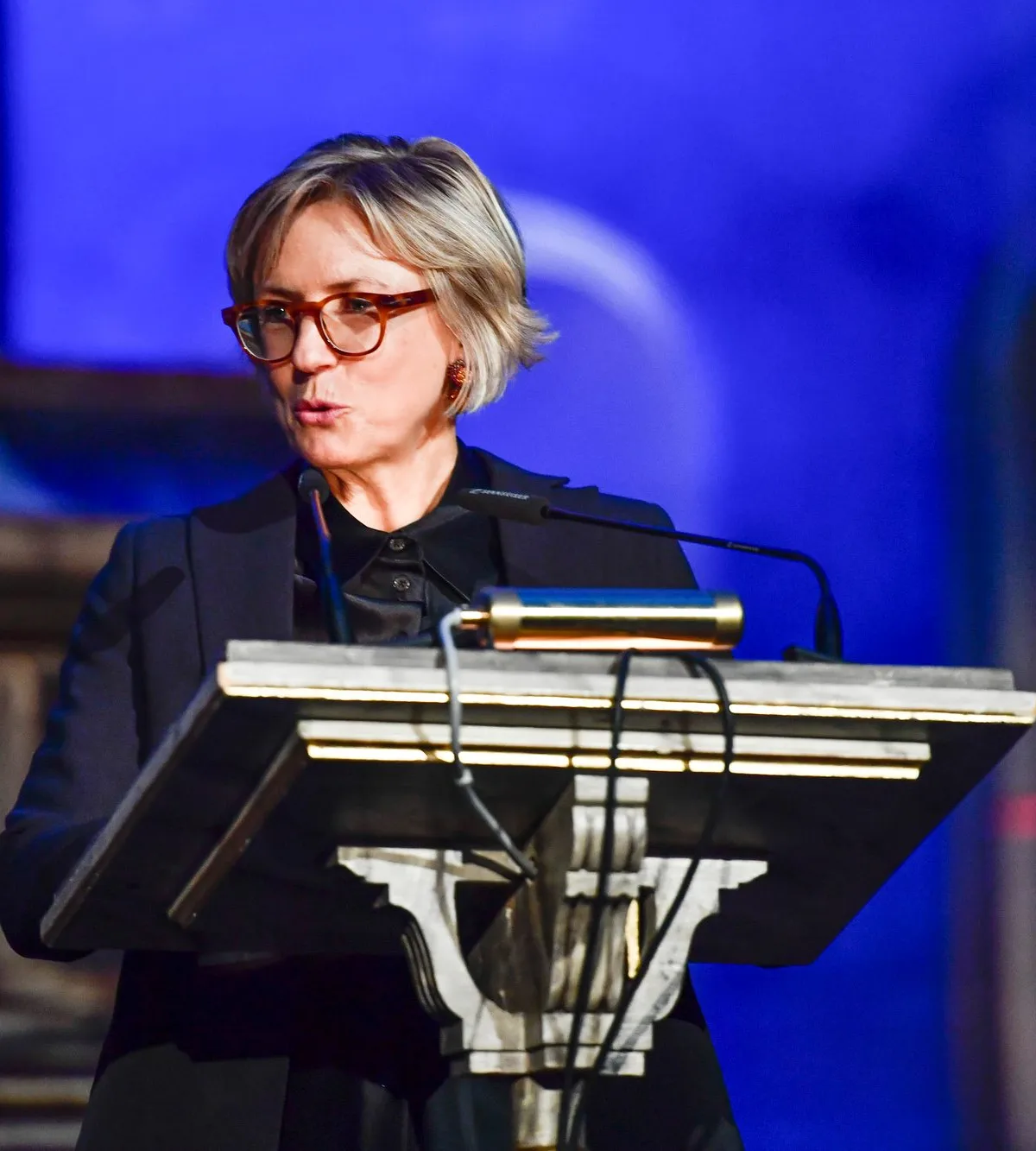
Olle Granath was one of the speakers at Tuesday’s seminar, “Threats to our Museums,” organised by the Axel and Margaret Ax:son Johnson Foundation. The desire to prevent the threatened closures of the Mediterranean Museum and the Museum of Far Eastern Antiquities in Stockholm was the starting point for the seminar. Olle Granath described the proposal to merge them with the Museum of Ethnography as “a museum bouillabaisse”.
The Swedish National Museums of World Culture are proposing to close the current Mediterranean Museum and Museum of Far Eastern Antiquities after the National Property Board announced a 57 per cent rent increase for 2027.
A different view of museums
But the much-criticised market rent model for state-owned cultural properties is only one of several explanations for the threat of closure, according to Lars Anders Johansson, an author and board member of the Swedish Building Preservation Association.
The Swedish National Museums of World Culture are using the rent increase to push through an agenda they have had for a very long time. It’s about their view of museum operations, he tells TT.
It could be said a little harshly that the Museum of Far Eastern Antiquities and the Mediterranean Museum represent a more traditional, academic, knowledge-transmitting view of museums, while the dominant focus within this agency has been a more contemporary, more activist and more opinion-driven view of museums.
“Incomprehensible”
The former director of the Swedish National Museums of World Culture, Sanne Houby-Nielsen, is also against closing the two museums. Houby-Nielsen, currently director of the Nordic Museum, has also been director of the Mediterranean Museum and the Museum of Far Eastern Antiquities.
What I can say is that I think it’s wrong to close small museums in the city centre, including the Mediterranean Museum and the Museum of Far Eastern Antiquities. It’s incomprehensible to me and quite catastrophic, that’s how I put it, she told TT earlier in the day.





What do you think?