Before the decision on Wednesday evening Swedish time, the market had priced in almost a 90 percent probability of a cut of that magnitude, according to the analysis firm CME Fedwatch .
At the same time, the twelve voting members of the Federal Open Market Committee (FOMC) had an unusually difficult decision to make. This is because supporting data in the form of current labor market and inflation statistics was largely lacking due to the long shutdown of the government earlier this fall.
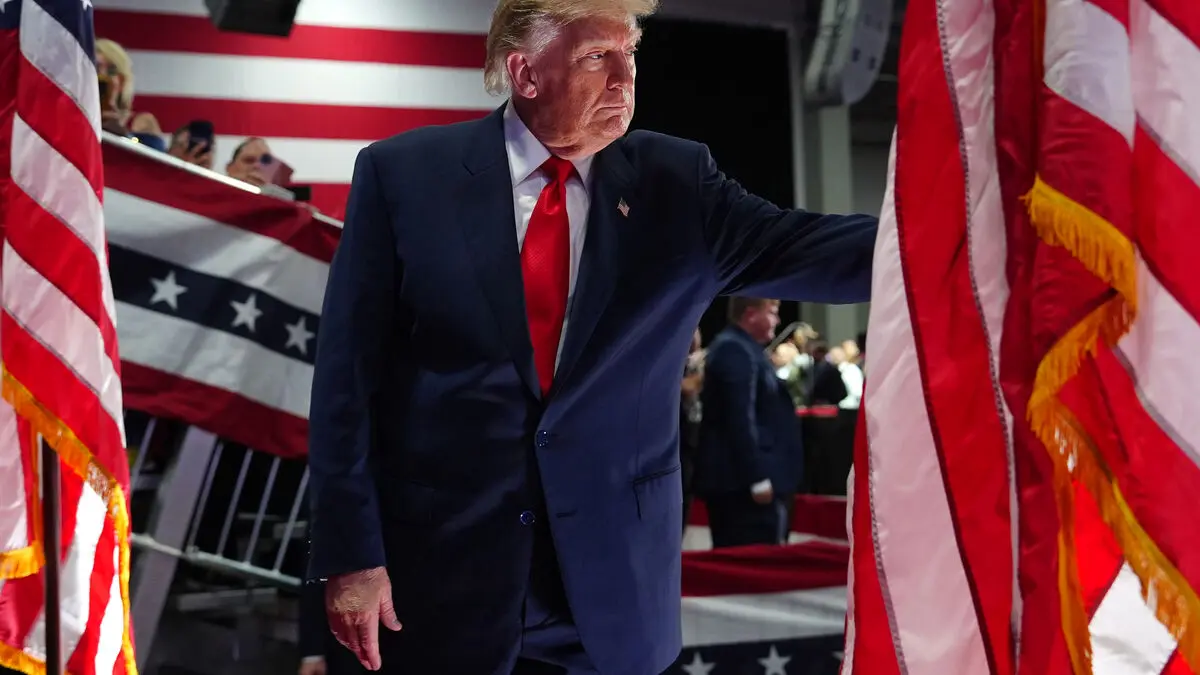
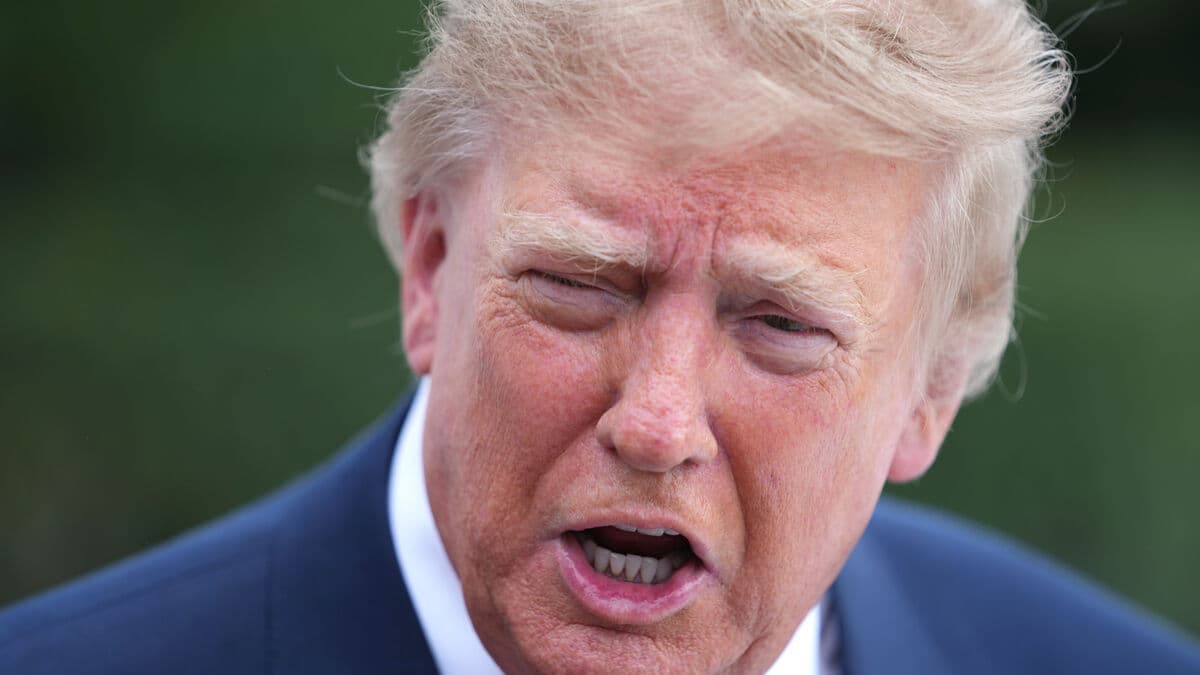
The pressure has also increased because President Donald Trump has repeatedly – in characteristically clear terms – called for lower interest rates and called Fed Chairman Jerome Powell a latecomer.
Three dissenting members
Three members disagreed with Wednesday's decision. Stephen Miran wanted to cut by half a percentage point, while Austan Goolsbee and Jeffrey Schmid wanted no cut at all.
This was the third cut in a row, after the FOMC meetings in September and October had the same outcome and the same size.
In a statement following the decision, the FOMC wrote:
“As the Committee considers the size and timing of further adjustments to the target range for the policy rate, it will carefully assess incoming data, the evolving outlook, and the balance of risks.”
“Wait and see”
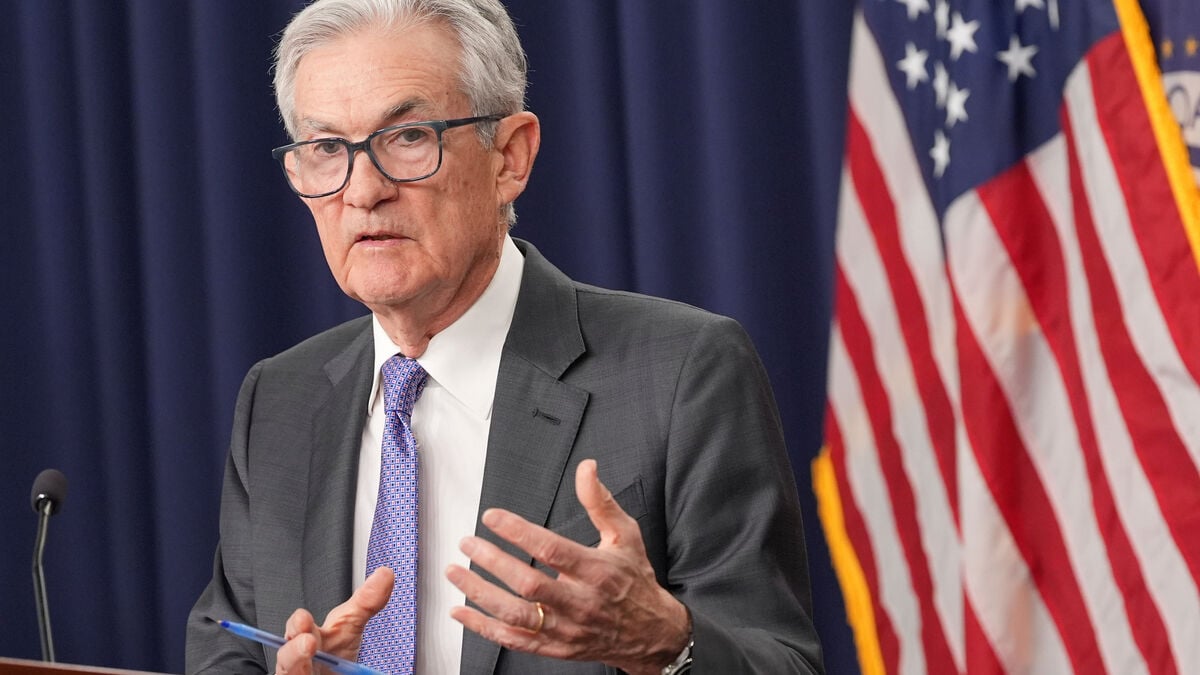
It is interpreted as a hawkish statement suggesting that the FOMC is likely done with the cuts for now, which was reinforced by Powell's statement about the yield curve at a press conference.
We are well positioned to wait and see how the economy develops, he said.
The Fed's decision directly affects market developments in the US and the rest of the world.
When the announcement came, all three major indexes on the New York Stock Exchange climbed from minus to clearly plus.
But Trump is still dissatisfied, saying the reduction could have been "at least doubled."