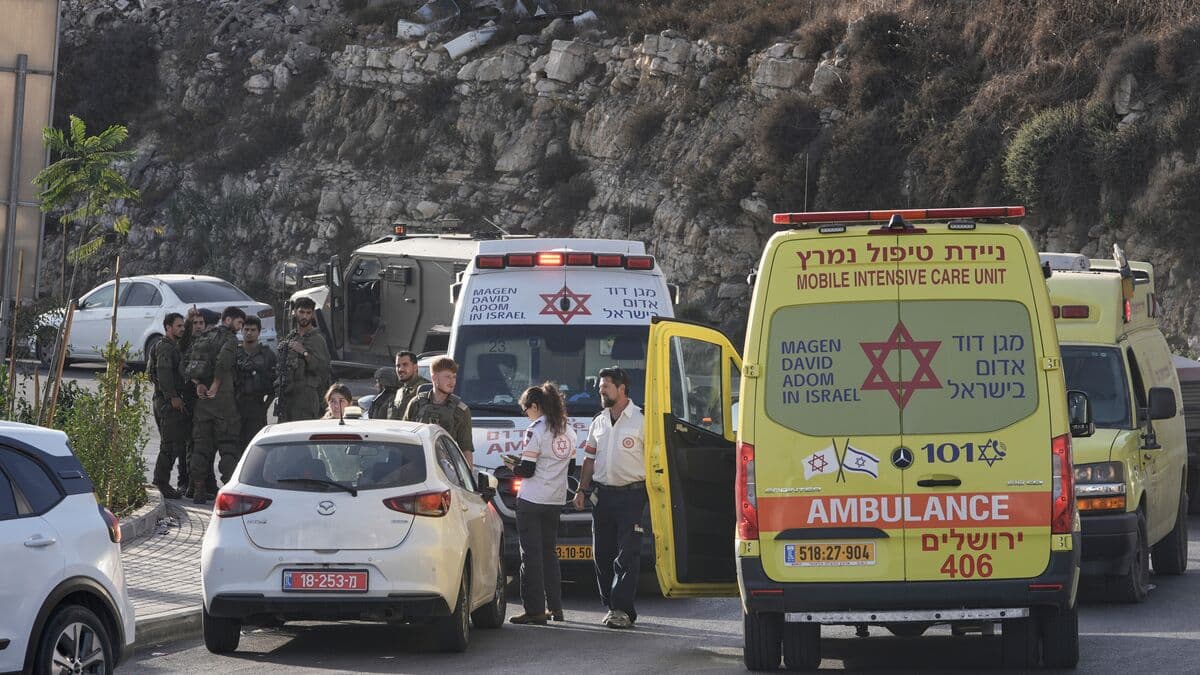
A ten-day ceasefire is beginning in Lebanon, US President Donald Trump announced on Thursday evening.
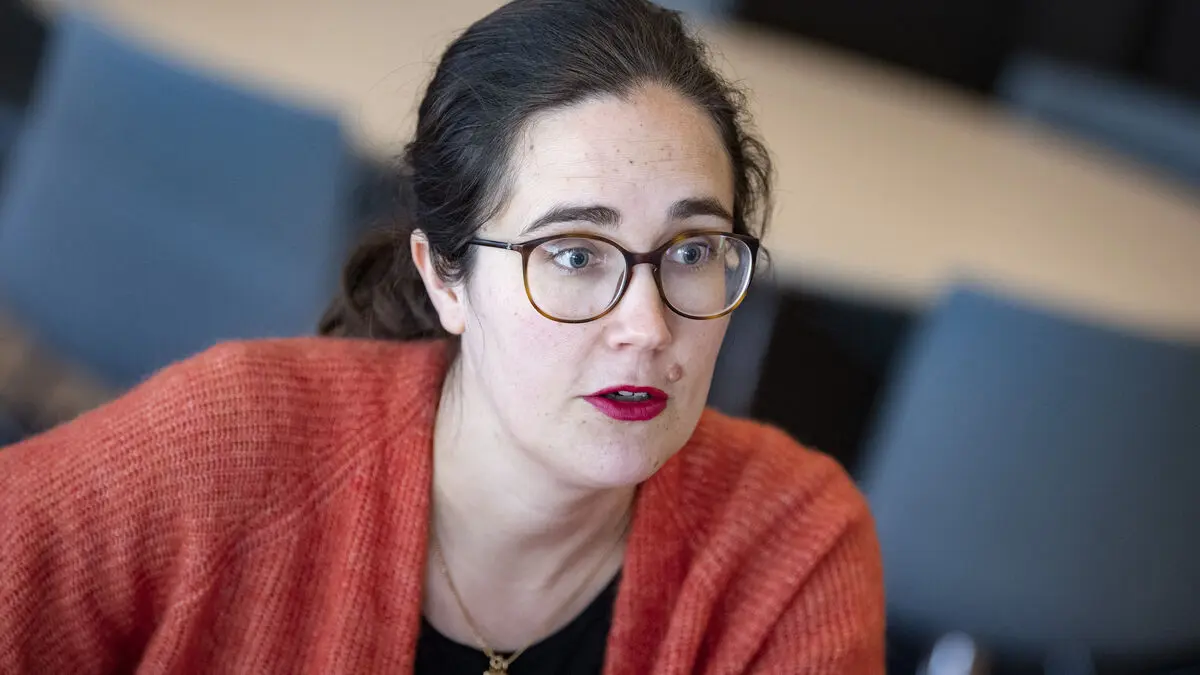
It is a great personal triumph for Trump, says Anders Persson, a lecturer in political science at Linnaeus University.
He's probably put quite a bit of pressure on Israel to do this, it seems.
Victory for Iran
But it can also be seen as a victory for Iran, which wanted to link the ceasefire in Lebanon with the ceasefire in Iran.
This has been one of the Iranians' demands. Now that that demand has been met, the conditions should be better for a more lasting ceasefire in Iran.
There are a lot of other issues to be solved as well, but the conditions should be better.
Hezbollah weapons
The question is how long the ceasefire will last and what is needed to achieve lasting peace. Persson sees two main stumbling blocks here, the first being Iran-backed Hezbollah's weapons.
Even though Hezbollah is weakened, it has still resisted well and fired a lot at Israel during this war, more than many thought it would.
The second stumbling block is Israel's occupation of parts of southern Lebanon. Moderate political forces in Israel are open to leaving occupied territories in exchange for peace, but the more hawkish Israeli right might want to annex them.
And then you can say goodnight to a peace agreement.