Meat from Brazil will be imported into EU countries starting September 3 this year.
The reason is that Brazil does not follow European regulations on antibiotics in animal feed, but uses them, among other things, to make animals grow.
Switching to meat from Uruguay
In Sweden, around 237,000 tonnes of beef are consumed each year, of which around 5,000 tonnes come from Brazil.
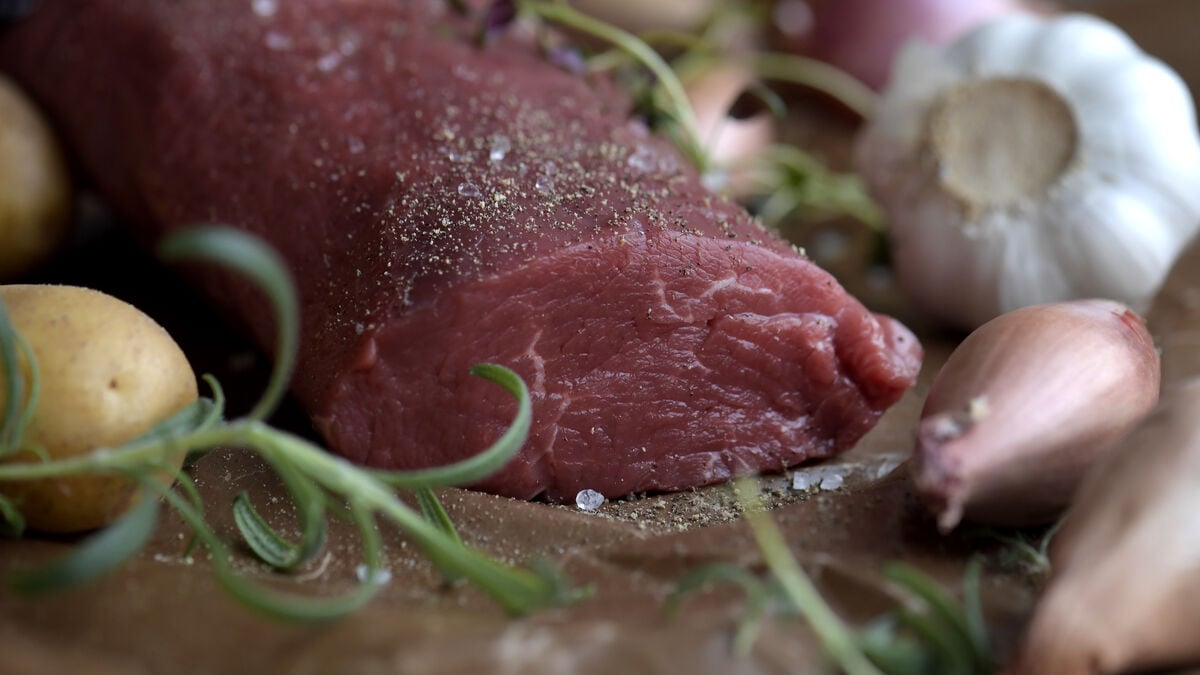
What Norvida imports from Brazil is primarily beef fillet, sirloin steak and entrecôte.
"It is the availability of these products, as well as the price picture, that consumers will notice in stores," says Maximilian Emanuelsson, marketing manager at Norvida, to TT.
As the supply of meat now decreases throughout the EU, there is a risk that prices will also be higher for meat of other origins, he adds.
To replace Brazilian meat, Norvida will switch to raw materials from Uruguay this fall, which does not have the same large-scale production and low production costs as Brazil.
According to Matpriskollen, the price per kilo of Swedish beef fillet is now 500-650 kronor, while Brazilian beef fillet is around 350-400 kronor.
“Beef fillet is affected”
Even though only a few percent of meat sales to, for example, Ica stores are Brazilian, the import ban could have an impact, according to Mats Heljestrand, category manager for meat at Ica.
"New Year and specifically beef fillet may be affected. The rest of the year, Swedish meat and meat from Ireland or the UK will suffice as a complement," he writes in an email response to TT.
Price increase
For Pierre Aleani, manager of the Brazilian restaurant Heaven in Uppsala, however, the EU's import ban will sting.
For us, this means that prices can increase and then it hits consumers, he says.
Isn't it reasonable to demand that antibiotics not be given to healthy animals for growth purposes?
It would be better if the EU, instead of cracking down on imports, created awareness about this on the ground in Brazil, says Pierre Aleani.
As of September 3 this year, new rules apply to the import of animal-based foods into the EU.
This is because the EU has decided on rules that limit the use of antibiotics.
In order to export certain animal products to the EU, approved countries now need to be on a list where they meet certain criteria.
The aim is to ensure that the products meet the same high standards for responsible use of antibiotics as apply within the EU.
Brazil has, according to the EU, been unable to demonstrate that it meets the new requirements for tracking the use of antimicrobials in animal husbandry.
Sources: Swedish Food Agency and Euronews.