
1. There have always been variations in the climate, and that is completely natural.
Yes, there have always been variations. They are due, among other things, to astronomical changes, changes in solar radiation and the Earth's climate system responding to external changes. But in the last 150 years, something different has happened.
The warming we are seeing now is happening much faster than it has before. It is driven by the sharp increase in carbon dioxide and other greenhouse gases in the atmosphere as a result of human activity, says Erik Kjellström, professor of climatology at SMHI.
The global temperature is now rising much faster than it has in at least 2,000 years. It is this rapid pace that makes current climate change so critical.
2. Carbon dioxide is natural and needed for life and plants.
Yes, carbon dioxide is needed for life on Earth. But the concentration of carbon dioxide in the atmosphere has increased by 47 percent since pre-industrial times.
The increased amount of carbon dioxide strengthens the greenhouse effect, as more outgoing heat radiation is absorbed into the atmosphere, says Erik Kjellström.
When carbon dioxide dissolves in seawater, carbonic acid is formed, making the oceans more acidic. Ocean acidification, in turn, affects organisms and ecosystems, especially those that store calcium in shells or skeletons, such as coral reefs.
3. It is good for us in the north when it gets warmer because we can grow more.
Warming may mean a somewhat longer growing season for us in the north. But the negative consequences, such as drought and torrential rain, dominate globally.
A large part of the world's population already lives in areas with water shortages, which creates difficulties for both people and agriculture. Climate change also means greater variations between drought and periods of torrential rain.
Agriculture will become more difficult to predict, and artificial irrigation during dry periods and crop adaptation will be needed, says Erik Kjellström.
The fact that warming and increased levels of carbon dioxide benefit vegetation also has other effects. When a dry period comes, the risk of severe forest fires can increase.
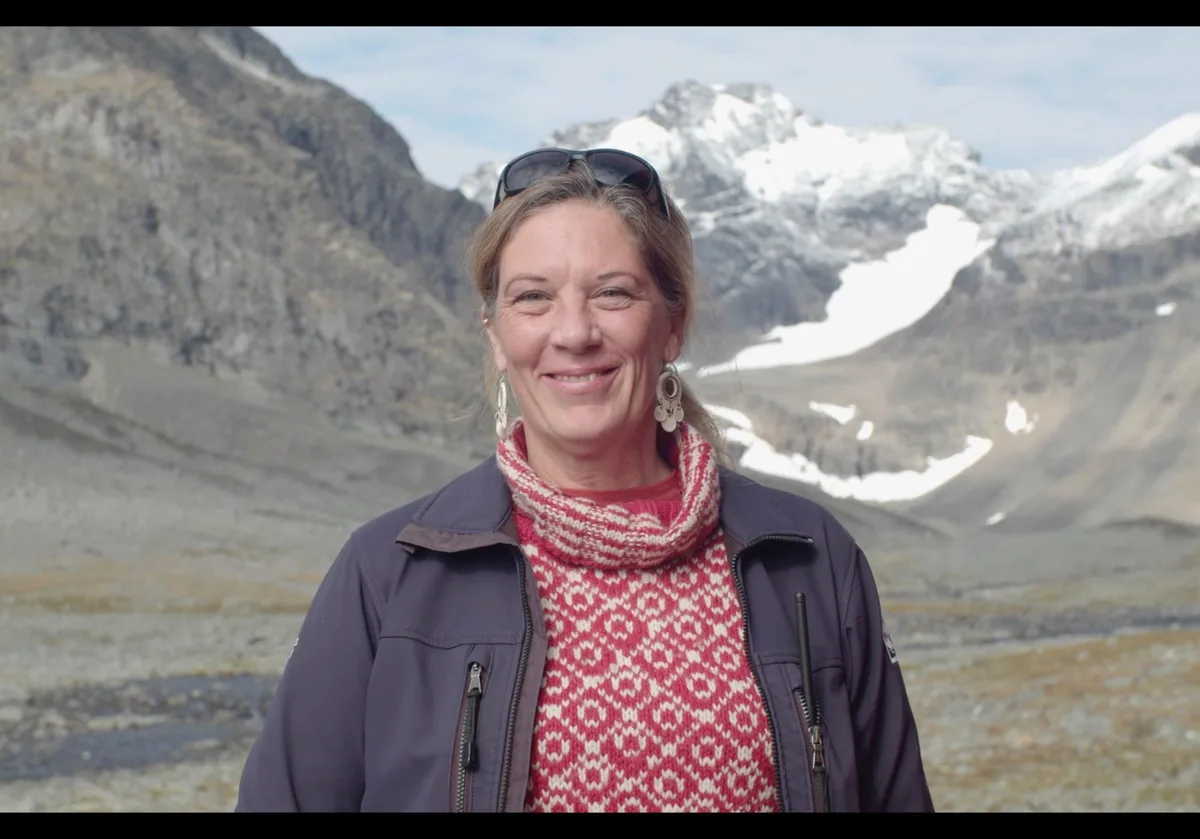
Nina Kirchner is a professor of glaciology at Stockholm University.
4. We are heading towards a new ice age, so there is no danger that the ice will melt.
Without human influence, ice ages and interglacials are controlled by astronomical processes, primarily the Earth's relationship to the sun. These processes operate on timescales of 100,000 years.
According to astronomical theory, we might have had new ice sheets here in the north in 30,000-40,000 years. But the warming we are causing is so strong that it overshadows the cooling process. So there will be no new ice age, says Nina Kirchner, professor of glaciology and director of the Tarfala research station at Stockholm University.
The rapid melting of the ice has enormous consequences. One is that large amounts of water can lead to landslides. As permafrost in the ground decreases, the ground becomes more porous, making it less resistant to landslides.
A clear example is what happened in Nepal in August this year. Another example is from Switzerland, where the entire village of Blatten was wiped out when a piece of a glacier broke off in June 2025, says Nina Kirchner.
Once the glaciers have melted and disappeared, there will be water shortages, affecting wildlife and vegetation.
5. It doesn't matter what we do in Sweden when China and India emit so much.
That's crazy reasoning, because in principle all emissions must be eliminated. We in Sweden need to reduce our greenhouse gas emissions to almost zero. Even though we are far from the worst in the class, there is a lot to do, says Erik Kjellström.
According to the UN climate panel IPCC, the richest 10 percent of the world's population, which includes the majority of Sweden's population, are responsible for between 36 and 45 percent of global emissions.






What do you think?