When the American space agency NASA suddenly changed its plans for the Moon, it also affected its partner, the European equivalent ESA. ESA had been promised three astronaut seats for a future space station in orbit around the Moon. Now NASA is instead aiming for a base on the lunar surface.
Our goal is to get places on the lunar surface. We are in the middle of negotiations. I cannot anticipate the discussions, but they are ongoing and I can assure you that we are working very intensively on it, says Josef Aschbacher at a press conference.
“Frustration and crises”
The mood in the industry has changed since he took office. At the time, the industry was suffering heavy losses.
There was much more frustration and crises.
Cooperation with Russia was scrapped due to the country's war of aggression against Ukraine. The Vega C rocket suffered a breakdown while the once reliable Ariane 5 was retired, and its successor, Ariane 6, was delayed. ESA was forced to buy launch capacity from SpaceX.
This was going on in 2024, for about a year. We didn't have a rocket to launch our own satellites.
Nowadays, ESA is in a good place. The purse is relatively full, both Vega C and Ariane 6 are in use, and this weekend a Spectrum rocket lifted off from the Norwegian space base Andøya.
They will become reusable rockets as they scale up. And that is exactly what Europe needs - heavy reusable launch capability in the long term.
Kiruna on the ESA map
At the same time, ESA is struggling with an unpredictable US. The reversal on the Moon has affected ESA, although Aschbacher is cautious about criticism. On the contrary, he highlights the new base as an opportunity where ESA is an important partner, developing landers, service modules and satellite communications. Eventually, ESA wants to send astronauts there entirely on its own.
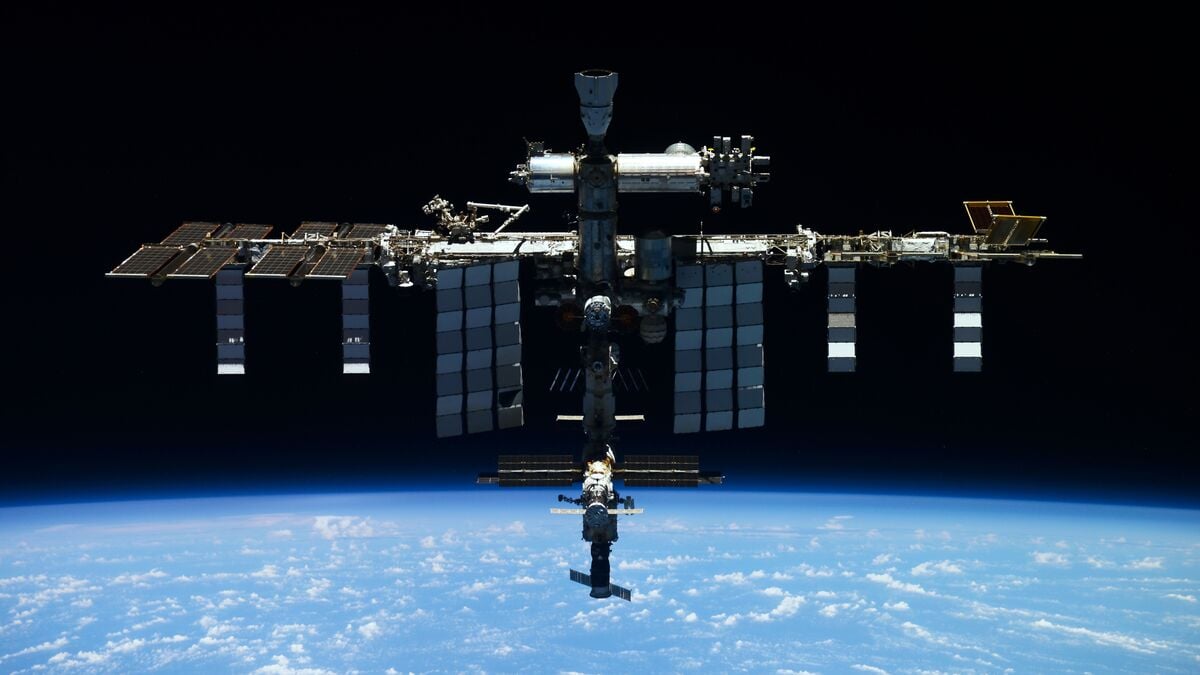
The first step is to send astronauts to low orbit, to the International Space Station today and to commercial stations in the future, to build capacity and experience.
Esrange in Kiruna and other locations on the European mainland play a role in ESA's future plans, but for smaller rockets. For the larger ones, Kourou in French Guiana remains the preferred location.
It's a bit like having big planes at a big airport, and then more regional airports. But I think diversity will really be needed in the future, says Josef Aschbacher.