Last fall, the government presented a historically large reform package worth SEK 80 billion. The package included new tax cuts and a reduced food VAT for the 2026 election year. At the time, the state borrowed money to pay for it.
But now the fun is over, according to the Minister of Finance.
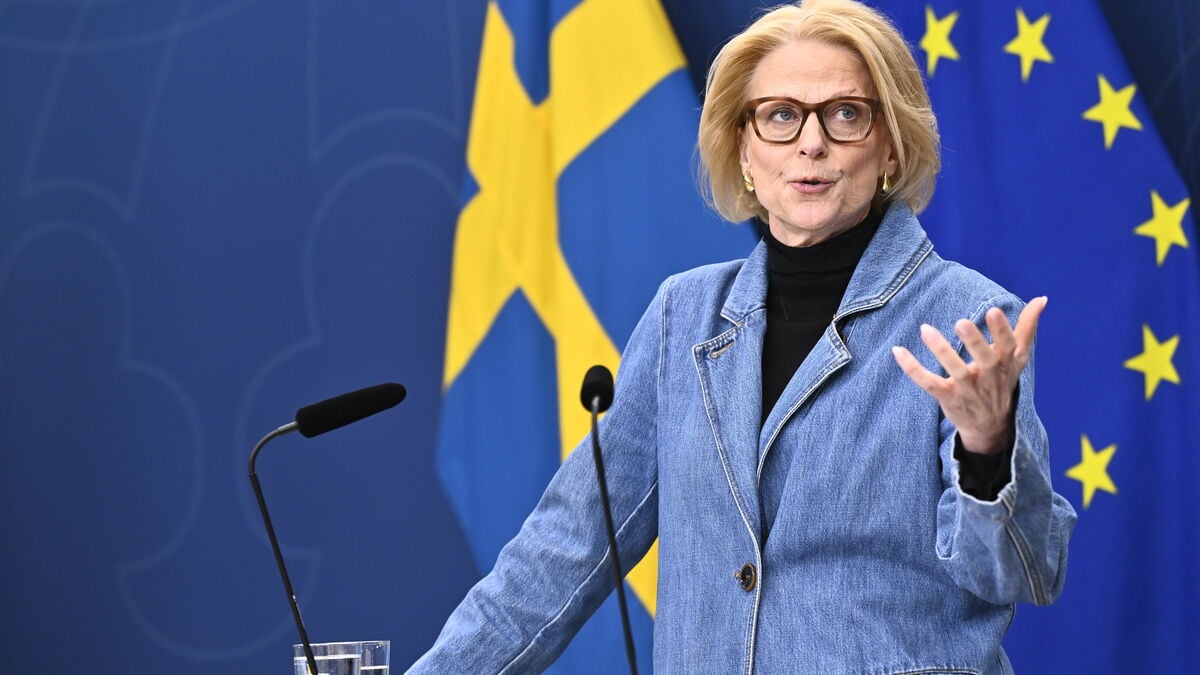
It is an election year and many parties will present their reforms, but one should also be aware that a large part of the reform space available in the next term has already been used, says Elisabeth Svantesson.
There will be limited room for unfunded election promises. It is important for the Swedish people to know.
New prisons
She points to major investments ahead that will take up a large part of the budget, including investments in infrastructure, the construction of new prisons and defense.
The parties must safeguard strong public finances in turbulent times and present how they plan to finance their election promises, according to Svantesson - who promises that the Moderates will do so.
Reforms can be financed with tax increases, reprioritization or new borrowing, i.e., increasing debt. At the same time, the state has a fiscal policy framework to adhere to with a balance target by 2035 where income and expenditure should in principle be equal.
I am very determined that we will get back into balance, says Svantesson.
A: Lost control
The Social Democrats' fiscal policy spokesman Mikael Damberg says that Svantesson's statement confirms that the government has lost control of the Swedish economy.
This is not the first time we have had a right-wing government that leaves behind large deficits, low growth and high unemployment, he says.
The Center Party also sees it as a failure for the Finance Minister.
"Despite an expansionary fiscal policy, the Swedish economy is in the bottom league of the EU. It is sad that the government has wasted so many resources without reducing unemployment and increasing people's real incomes," writes Martin Ådahl, economic policy spokesperson for C.
The Left Party's economic policy spokesperson Ida Gabrielsson:
"The Tidö parties have feasted on the money and shied away from the bill, which the Swedish people will now have to pay for several years to come."
On Monday, the Fiscal Policy Council is expected to present the annual review of the government's policy.