Ebola virus is an RNA virus in the filovirus family that causes hemorrhagic fever. There are six variants of Ebola virus, four of which cause disease in humans.
The current outbreak in the Democratic Republic of the Congo is caused by the Bundibugyo variant of Ebola, for which there are no vaccines or treatments available.
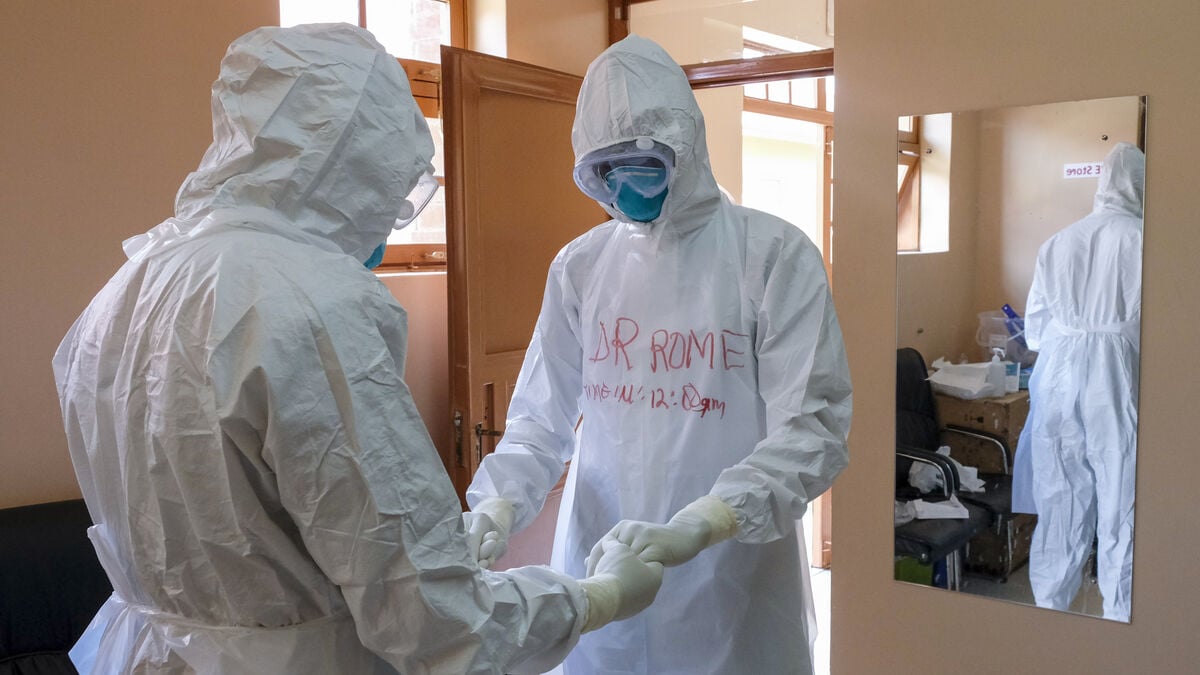
Ebola virus is transmitted between people through bodily fluids, such as saliva and blood. Healthcare workers in close contact with infected people are particularly at risk. Sexual transmission also occurs.
People infected become contagious only when they develop symptoms, such as fever, headache, sore throat, gastrointestinal symptoms, and muscle pain. Late in the illness, bleeding may occur on the skin and in internal organs.
The mortality rate in outbreaks in affected African countries is estimated at 50–90 percent. With access to adequate intensive care, it is likely to be significantly lower.
The natural host of Ebola virus is believed to be bats. However, the route of transmission is usually indirect, via handling raw meat from other infected animals such as monkeys and deer.