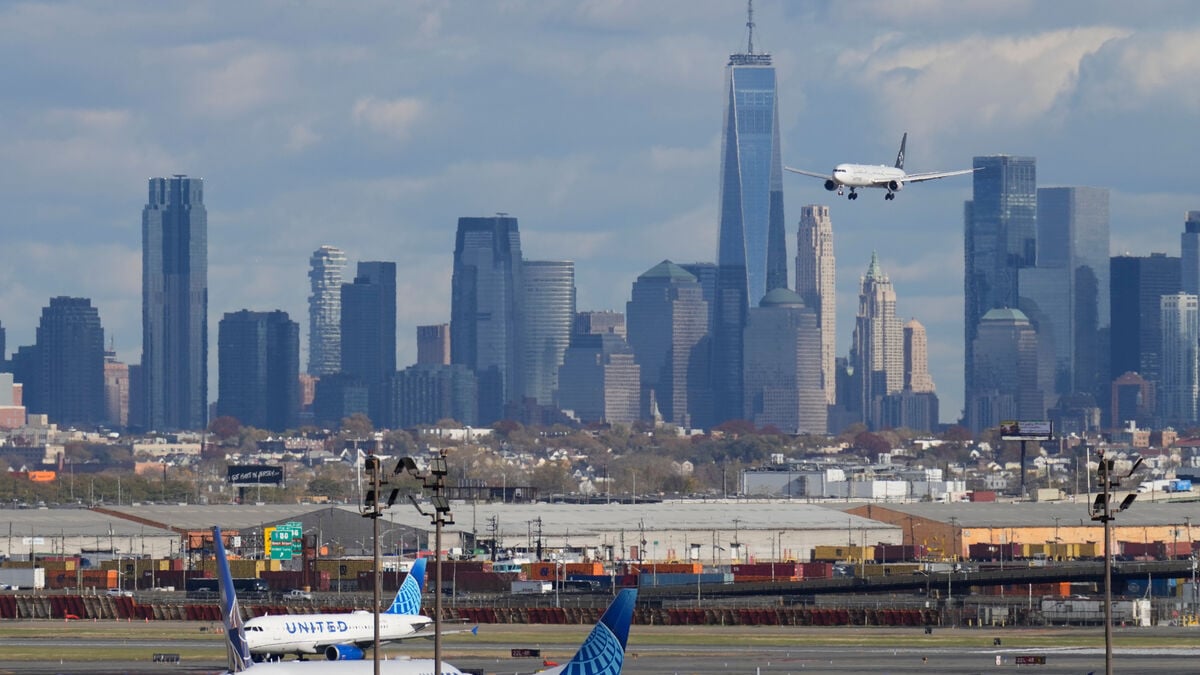
High punitive tariffs, tough migration policies and more complicated entry regulations are some of the reasons believed to be behind the decreased interest in tourism in the United States.
Throughout last year it has been very volatile, up and down, up and down, says Didrik von Seth.
Overall, private travel to the US decreased by around 20 percent last year, according to the Swedish Travel Industry Association. So far this year, the drop is even greater compared to a year ago, close to 30 percent.
It's still early, but it's not leveling out; the trend right now is a further decline. You have to take into account in this context that the dollar is significantly weaker, says Didrik von Seth.
Under nine kronor
The US dollar has recently fallen to a little under nine kronor.
The weaker dollar isn't dampening the decline?
No. Normally, travel to the US would have increased by now.
According to Didrik von Seth, the dollar exchange rate usually has a clear impact on travel to the US. It also affects travel in general, as the price of, for example, fuel for aircraft and ships is often set in dollars, and that has a noticeable positive effect.
Now it's only dollar-heavy destinations outside the US that are getting a certain boost.
"We are now seeing, for example, that cruises in the Caribbean are getting an upward push. There is a certain currency effect in that," he says.
Not unplugged
Swanson's, a travel agency specializing in North American travel, saw a 23-24 percent drop in bookings last year. But sales have been mixed, with December, for example, being the best December in years.
You can't say it's out of whack, but it's jerky, a roller coaster, says CEO Tommy Swanson.
He links the uncertainty to Trump's policies and actions. He believes the great recession is over and he hopes that a weak dollar will help during the year.
"I don't think we will reduce further now; instead we'll work our way up."