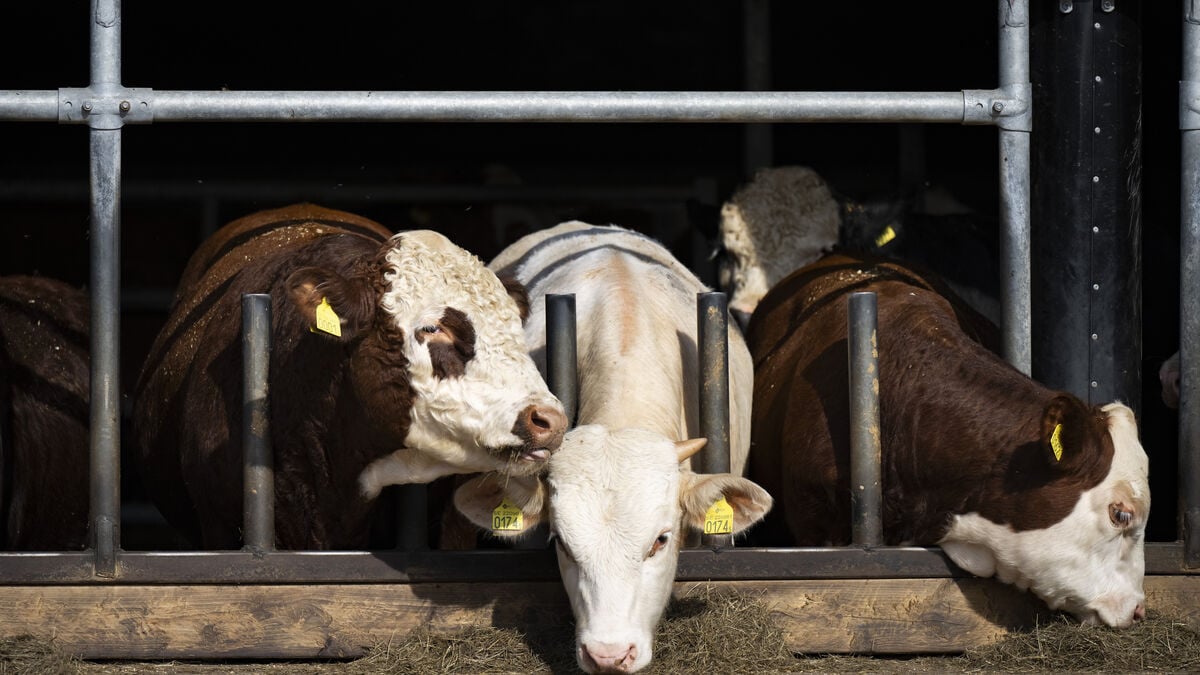
Beef production and the beef industry in Sweden have been going through a tough period. Due to a shortage of cows and producers, some of whom have closed their operations, there has been a long-term shortage of beef - and prices have skyrocketed in recent years.
The producer price of beef (young bull) has more than doubled since 2020, according to the Swedish Board of Agriculture.
Kullgren: Reinforces compensation
Due to the situation, the government is now deciding on compensation for Sweden's farmers. The compensation will apply to suckler cows, which give birth to and suckle their own calves and are used in meat production. The contribution is 1,000 kronor per suckler cow per year, and is similar to the compensation currently paid to Sweden's dairy farmers.
EUR 14.3 million, approximately SEK 150 million, has been allocated for the 2027 wild boar compensation, scheduled to be introduced on January 1 next year. The EU Commission must first approve Sweden's request to amend its strategic plan for the common agricultural policy.
The compensation is financed by redistributing surplus funds from other environmental and animal welfare schemes, according to the government.
According to Minister of Rural Affairs Peter Kullgren, the maximum amount for investment support will also be lowered from SEK 200,000 to SEK 50,000 - to give farmers the opportunity to make more, smaller investments.
We are also increasing pasture compensation by 600 SEK per hectare, says Peter Kullgren.
Virtual fences
The compensation should lead to better profitability for farmers.
It is a market governed by supply and demand; if there is a shortage, prices increase. Then it is crucial that farmers are paid for their products in a reasonable way.
The lowered floor from 200,000 to 50,000 SEK for investments for farmers gives them compensation for introducing or expanding virtual fences - intended to make it easier to have more animals grazing, according to Kullgren.