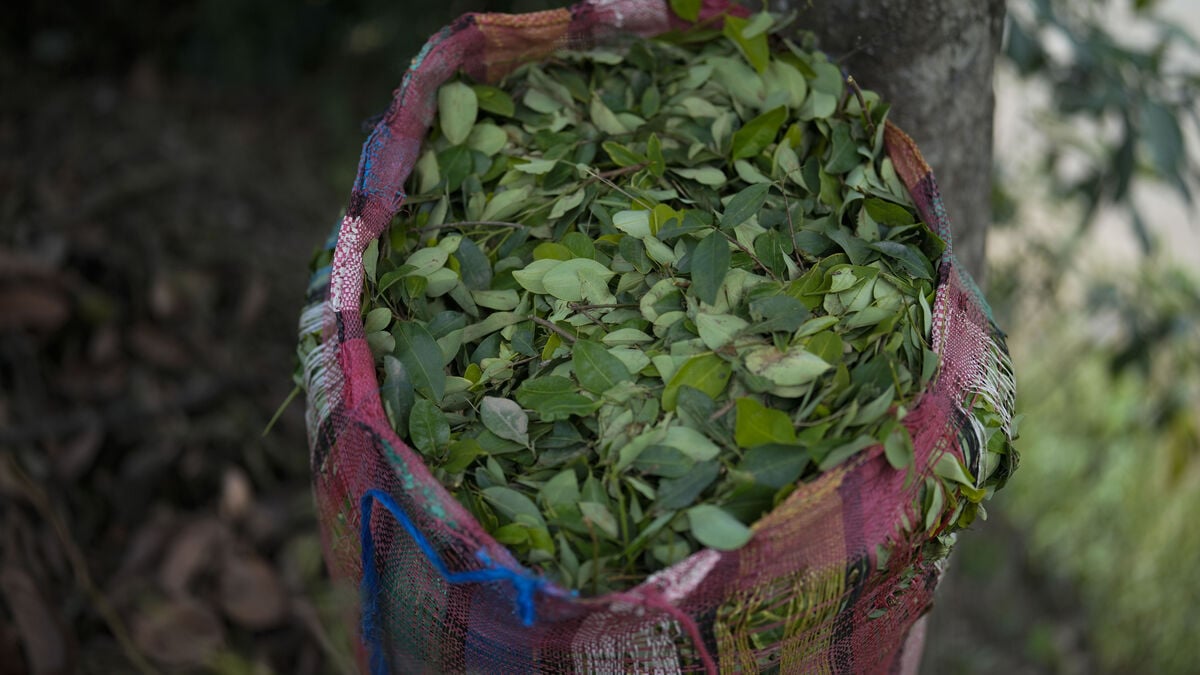
A decade after the FARC guerrillas and the Colombian state signed a peace agreement, Colombia's cocaine production is thriving more than ever.
"In the past, you could point to a group, sit down with them and discuss things," Nora Taquanas tells the Financial Times (FT) and continues:
Now we are dealing with groups that are primarily driven by economic interests.
For the Farc guerrillas, cocaine was more a means than an end. The group was formed by rebels who embraced Marxism and waged a brutal struggle against the state. From the late 1980s, it financed itself through the cocaine trade, although not directly at the production stage, but rather by taxing coca growers and protecting smugglers.
But when the Farc began to disarm in 2016, panic spread among the world's drug traffickers. It was unnecessary.
Advanced production
The new generation of armed groups in Colombia has further developed cocaine production, taking it to new heights and doing so for financial gain.
New varieties of coca leaves have been developed and processing methods have been refined, allowing more cocaine to be extracted from a single leaf than before. Profits have doubled in the past 20 years, according to the United Nations Office on Drugs and Crime (UNODC).
Colombia's former vice president Humberto de la Calle was the chief negotiator for the 2016 agreement. Today, he calls it a "complete failure" and says the problem is more difficult today because the armed groups are present among ordinary people in a different way.
"If you send the military into these areas, who are they going to shoot at?" de la Calle told the FT.
Consumption in Europe
One of the reasons for the increase in cocaine production in Latin America is Europe. The continent has been breaking records in drug seizures for several years in a row. For example, 419 tons of cocaine were seized in Europe in 2023, according to the European Medicines Agency (EMA). The agency states that almost as much cocaine is now consumed in Europe as in the United States.
The FARC guerrillas, Colombia's armed revolutionary forces, were long associated with kidnappings and drug trafficking. In 2016, the group signed a peace agreement with the government that put an end to a 52-year, bloody conflict that claimed more than 200,000 lives and displaced millions.