The European Commission's proposed grid package from December would allow the EU to use 25 percent of so-called bottleneck fees that member states receive because of price differences between different electricity areas.
Sweden risks losing multi-billion-dollar sums - which has put the government on the warpath.
I hope the coffee is strong, because I am here on a mission. In Swedish we have an expression called "duktig flicka". But the good girl is about to become evil, Ebba Busch told her EU energy ministers on Monday.
“Totally unacceptable”
Sweden considers itself to be treated unfairly and believes that it has done significantly more than other EU countries when it comes to following energy regulations, helping others with exports and producing fossil-free energy.
"What kind of signals does this send? It is completely unacceptable that countries that have gone ahead should now be punished," said Busch.
She warns that Sweden is open to taking all possible measures, including stopping new cross-border pipelines and not renewing permits for existing ones.
It risks affecting neighboring Denmark in particular - which is not entirely without reason.
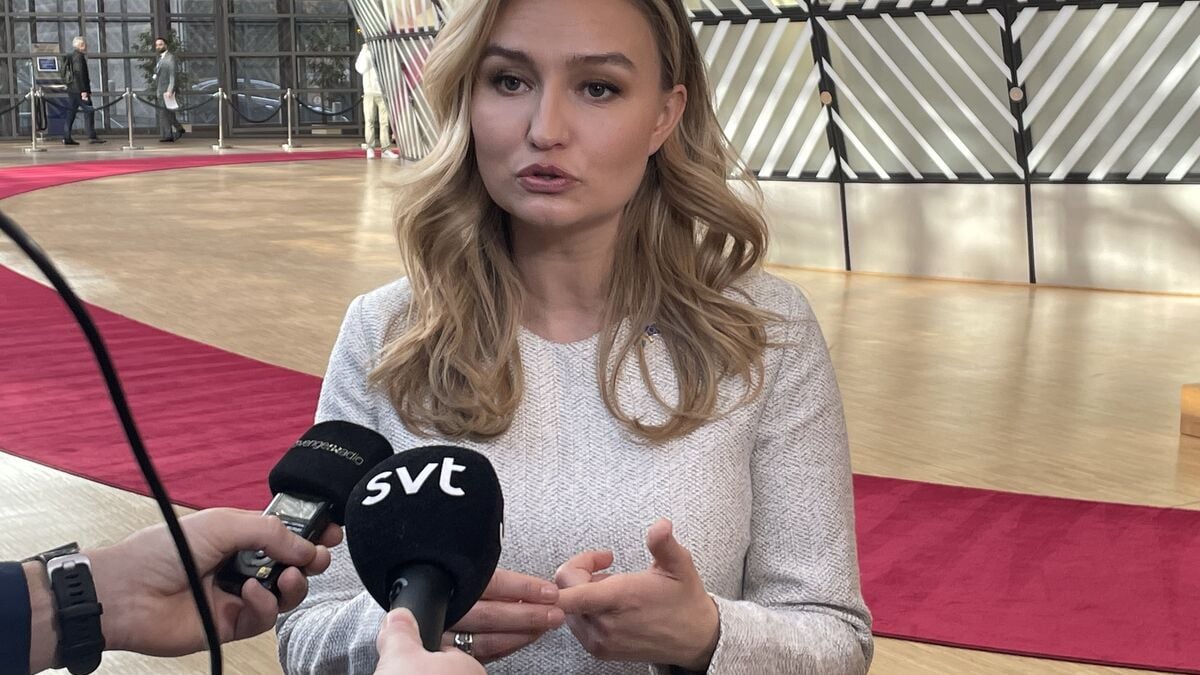
Yes, and then you can note that the EU Energy Commissioner, Dan Jørgensen, is also Danish. We have been clear with our neighboring countries that we have no interest in punishing them. But our task must be to look at Sweden first, Busch told Swedish journalists on the way to the meeting.
“Far from clear”
Afterwards, she noted that the response had been better than expected.
"From a dark situation, we have nevertheless seen a turnaround here in Brussels: from total deafness to the fact that we are now in full negotiations with the Commission," said Busch.
"But it is far from clear. The threat from the Swedish side therefore remains," the minister said.
Energy Commissioner Dan Jørgensen hopes for a solution as early as June.
"I understand, of course, that some countries have specific challenges and I am very willing to discuss that. Ultimately, we have to agree and find compromises," the Dane said during the meeting.