The different sides in the budget battle are fighting hard over their positions as EU ministers gather in Luxembourg.
Sweden and others are calling last week's so-called negotiation box a no-go box. Poland, among others, is countering this.
This is a 'Let's go' box. Let's finally get the job done. We have already seen cuts. The 'Friends of Cohesion' have put forward a proposal that is good for the whole of Europe, says Ignacy Niemczycki, the State Secretary responsible for the budget, on his way into the meeting.
Right next to him is Austria's EU Minister Claudia Bauer, demanding a budget in the opposite direction, with even more cuts.
Bad mood?
Sweden is in the same situation.
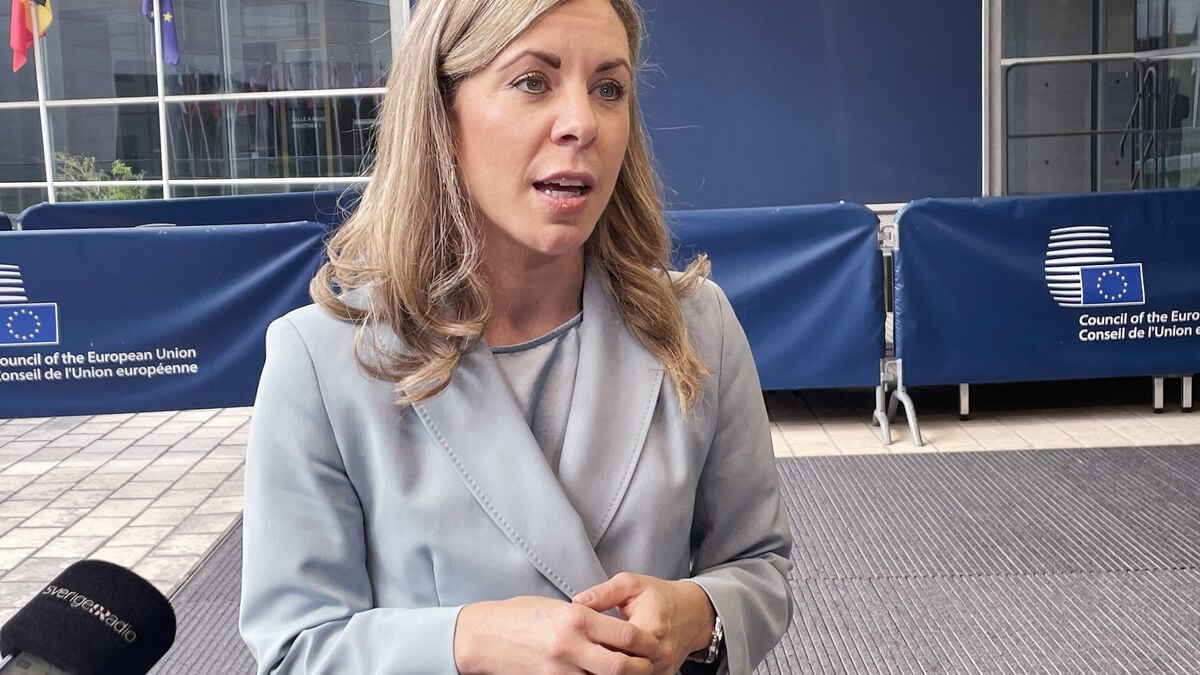
It's about setting better and new priorities. We think the budget volume is far too large and that it must be reduced substantially, says EU Minister Jessica Rosencrantz (M).
"I will be extremely clear at today's meeting and maybe create a bit of a bad atmosphere as well. I will be crystal clear today that this is not enough," the minister promises.
The compromise proposal that Cyprus has worked out during this spring's presidency of the EU Council of Ministers would entail a reduction of 2 percent compared to the European Commission's initial offer from last summer. Sweden wants a cut of 20 percent.
The battle will now continue during Ireland's six-month presidency in the autumn, in the hope of reaching a settlement by the end of the year.
Stuck in a choice?
Many countries would like to see a quick solution to avoid the battle getting stuck in the many and difficult elections that await in 2027, for example in France.
But then it is important to agree. The EU budget requires unanimous agreement, which means that Sweden and its like-minded countries have an effective veto to use, even if significantly more countries are on the other side of the battle.
"We would like to have a quick settlement... but if you want that, you need to reach out to Sweden and our like-minded countries more than you are doing today. We have time to negotiate," says Rosencrantz in Luxembourg.
Facts: The parties in the EU budget battle
There are two clear factions in the discussions about the EU's next long-term budget. On one side are Sweden, Austria, the Netherlands and even Germany, who want a tighter budget. On the other side are Poland, Spain, Greece and the Baltic countries, among others, who support the larger investments in the European Commission's original proposal.
The long-term budget will apply for the years 2028-34. The basic proposal is 1,763 billion euros, equivalent to 1.26 percent of the EU's total gross national income, GNI. A first compromise proposal is now being discussed, in which the amount has been reduced to 1,730 billion euros.