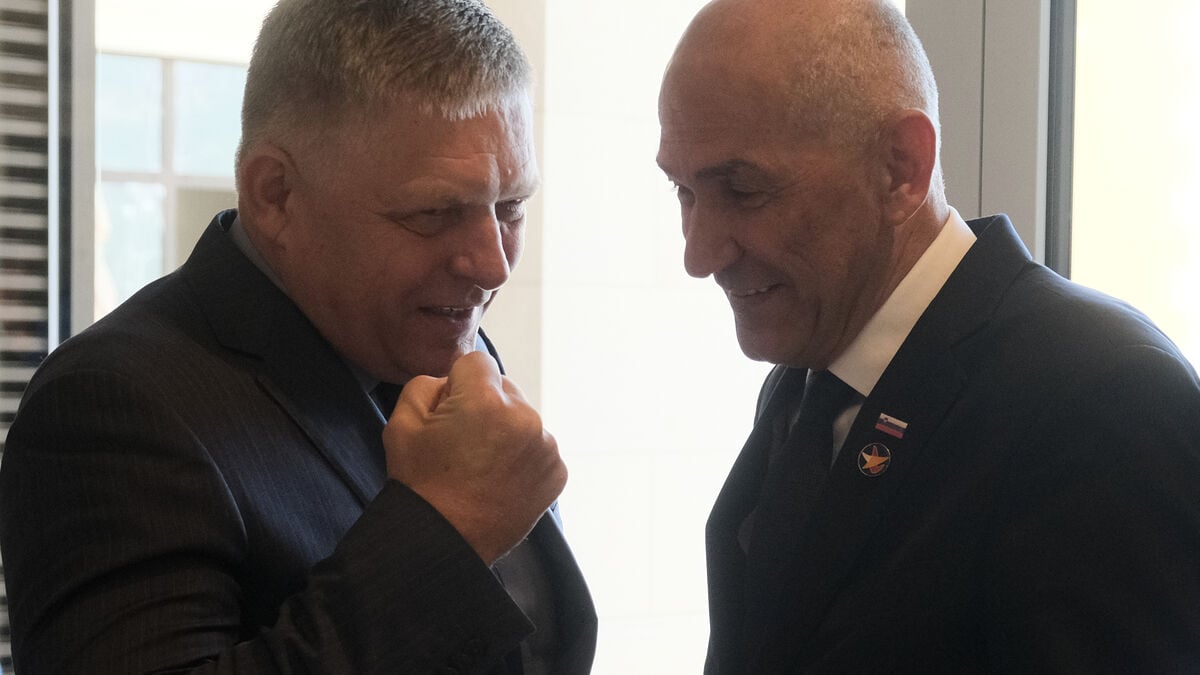
Few European leaders have stirred up as much controversy over the years as Slovenia's newly elected Prime Minister Janez Jansa. He has already served three terms in office and served a prison sentence for corruption in connection with an arms purchase from Finland.
He started out as a young communist but has moved further to the right, has often clashed with the country's journalists and attracted attention when he quickly congratulated Donald Trump on his victory in the 2020 presidential election - which was won by Joe Biden.
Jansa has now been back for two weeks and is bringing, among other things, strong support for Israel to the summits.
New Bulgarian
Even though Jansa's government is backed by a pro-Russian far-right party, Slovenia's strong support for Ukraine is likely to remain.
However, things are more uncertain in Bulgaria, where Bulgaria's president, Rumen Radev, has quickly withdrawn military aid to Kyiv.
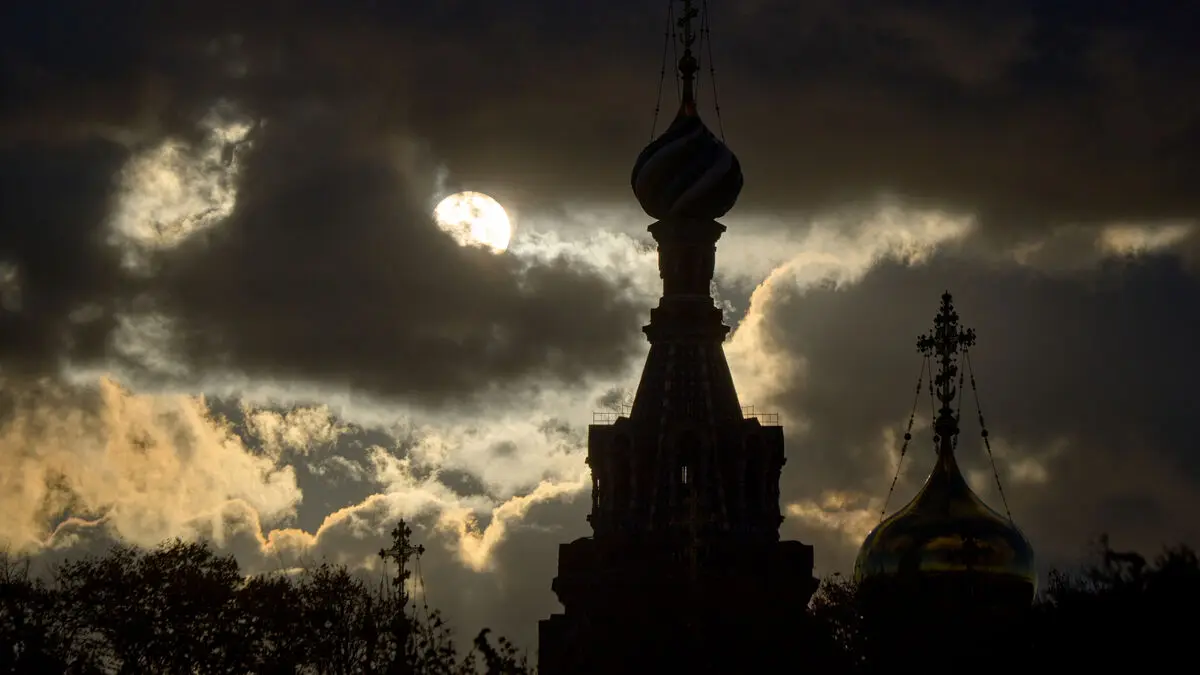
Radev advocates talks with Moscow and likes to emphasize the Orthodox closeness between Bulgaria and Russia. This is evident not least because Bulgaria is now reported to be saying no to EU sanctions against the head of the Russian Orthodox Church, Patriarch Kirill, according to information provided to TT and others.
The former fighter pilot Radev has nevertheless had a relatively good relationship with Brussels during his years as the country's president.
Fico and Babis
A quartet of rather Eurosceptic leaders from former Eastern Europe also includes the prime ministers of Slovakia and the Czech Republic, Robert Fico and Andrej Babis.
Over the years, they have nevertheless been considerably less confrontational than their now-departed neighbor Viktor Orbán in Hungary. “Don’t bite the hand that feeds you” is clearly one of the reasons.
For several of the newer members of the EU, economic support from the West is still more important than political positions.
Sliding to the right
The fact that more and more governments in the EU are governed from the right and also have elements from the far right is simultaneously pushing the boundaries of what is controversial or not at EU summits.
If this trend continues, it may be Spanish Prime Minister Pedro Sánchez - one of only three S-marked heads of government in the EU - who will be labeled as the Union's number one troublemaker in the future.
Here are the heads of state and government who have currently served the longest among participants in EU summits:
1. Croatian Prime Minister Andrej Plenkovic – since October 2016
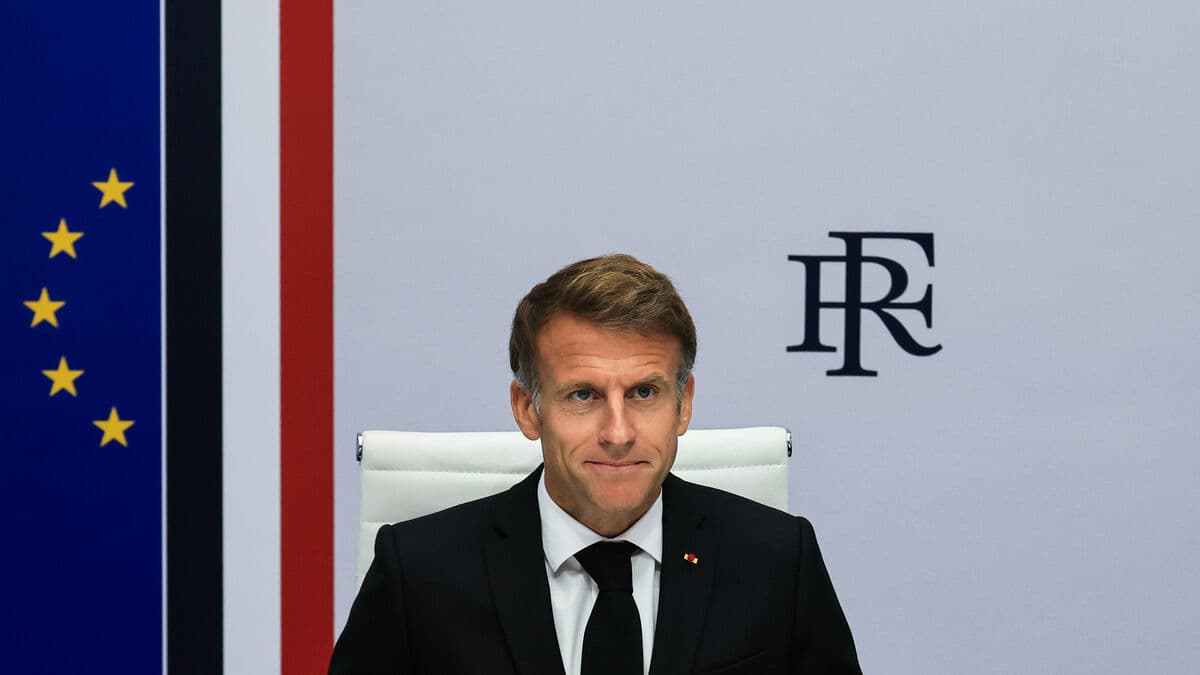
2. French President Emmanuel Macron – May 2017
3. Spanish Prime Minister Pedro Sánchez – June 2018
4. Danish Prime Minister Mette Frederiksen – June 2019
5. Greek Prime Minister Kyriakos Mitsotakis – July 2019
Swedish Prime Minister Ulf Kristersson is eighth on the list and took office in October 2022. The most recent is Slovenian Prime Minister Janez Jansa, who took office as recently as June 4 this year.
The oldest of the leaders is the Czech Republic's 71-year-old Prime Minister Andrej Babis. The youngest is the Netherlands' 39-year-old Prime Minister Rob Jetten.