The Mercosur free trade agreement has been provisionally in force since May 1, even though the European Court of Justice is due to review it and has postponed final approval.
Already in May, EU tariffs were reduced to zero, for example, on certain vehicle parts and ground spices such as black pepper and chili, according to Åsa Sandström, international expert at the Swedish College of Commerce.
Effect only during import season
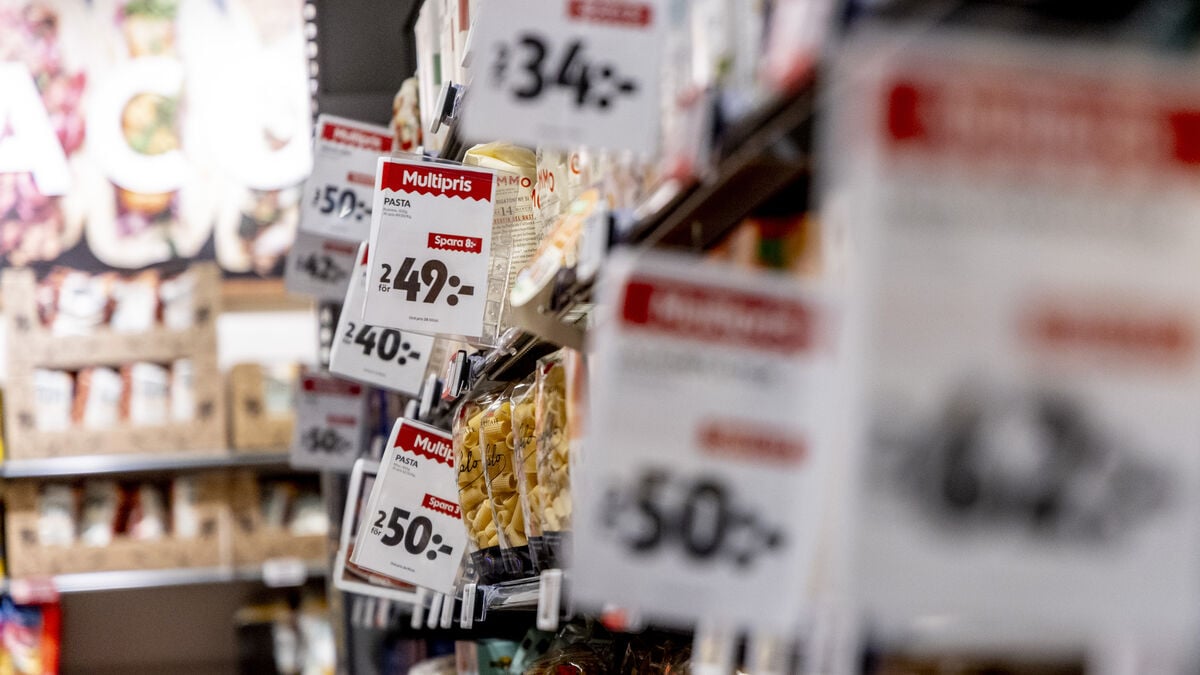
However, it is only this winter, during the season when, for example, melons, grapes and apples are imported to Sweden from Mercosur countries, that Swedish consumers can reap the benefits of the agreement in the form of lower store prices, according to Karin Brynell, CEO of the Swedish Grocery Trade.
When it comes to ground black pepper, the effect comes with a lag because the pepper now sold in stores was brought into the country several months ago, she says.
Access to minerals
Sweden's exports of vehicles, machinery, pharmaceuticals, alcohol and chemicals will in turn be duty-free. This could give the EU and Sweden an edge over the US and China in Latin American countries, according to Anna Stellinger, head of international affairs at the Confederation of Swedish Enterprise.
The agreement could also make the EU less dependent on China for access to minerals, she believes.
The Mercosur countries have rare, critical earth metals they can export that Swedish companies need in their green transition, says Stellinger.
The Mercosur free trade agreement (from the Spanish Mercado Común del Sur - Southern Common Market) is a customs union consisting of Brazil, Argentina, Paraguay and Uruguay.
Among other things, the Mercosur countries will remove their import tariffs on vehicles (currently up to 35 percent), machinery (currently 14–20 percent), pharmaceuticals (currently up to 14 percent), chemicals (currently up to 18 percent), wine and spirits (currently up to 35 percent) and chocolate (currently up to 20 percent).
Swedish exports to the Mercosur countries are expected to increase by 40 percent, while imports from the countries are expected to increase by 32 percent, according to calculations from the Confederation of Swedish Enterprise.
Sources: EU Commission, Confederation of Swedish Enterprise.