The interest rate shock has subsided; on the contrary, many homeowners can expect lower borrowing costs next year, both for themselves and indirectly via the rent or fees for those living in a housing association.
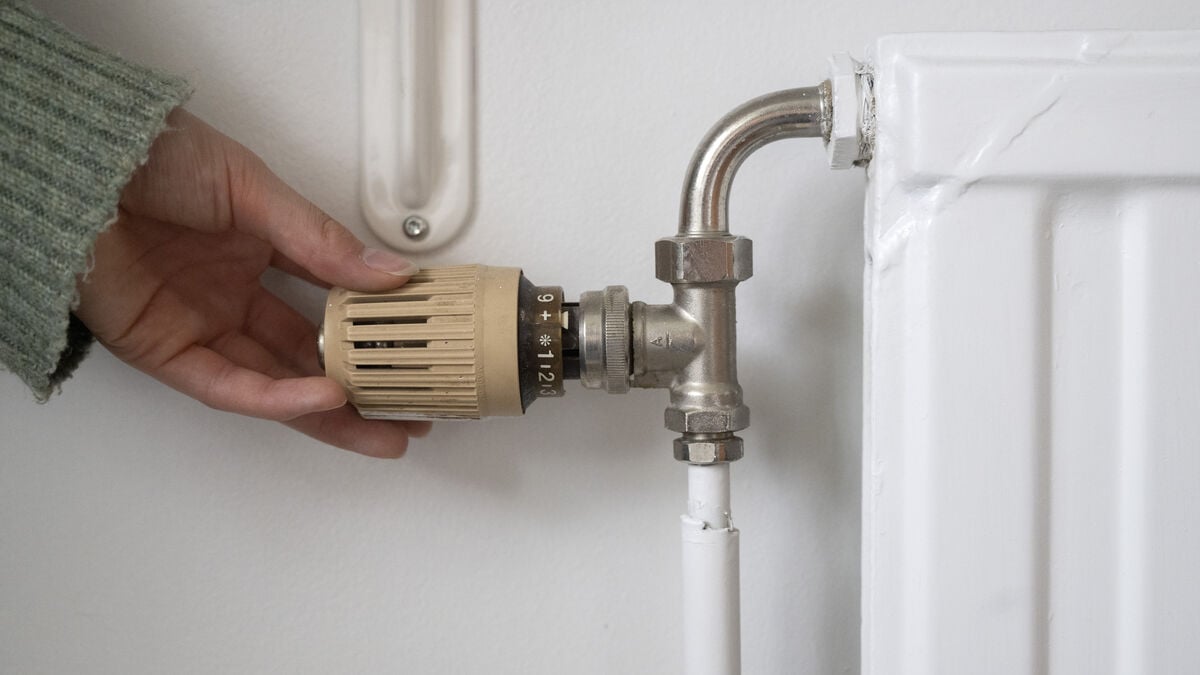
Instead, it is continued increases in district heating tariffs that are affecting housing costs the most, according to the HSB union chairman. Statistics from the so-called Price Dialogue (a collaboration group between heat suppliers and a number of housing organizations) point to price increases of just over five percent next year, on average, which is clearly more than inflation.
Unfortunately, I think it will be more than that, says Johan Nyhus.
More expensive fuel
Daniel Lundqvist, responsible for market issues and district heating at the industry organization Energiföretagen, confirms this picture. In previous years, the final result has been approximately two percentage points higher than what the Price Dialogue indicated, which would result in price increases of just over seven percent next year.
And that's after increases of around 40 percent over the last five years, according to statistics from the Nils Holgersson group.
The main reason is the sharp rise in biofuel costs following Russia's war of aggression against Ukraine.
Fuel prices have doubled. But it is much more stable now, says Daniel Lundqvist.
But, according to Lundqvist, the district heating companies have not yet passed on all cost increases to customers.
Hence relatively high price increases for many heating suppliers next year as well.
Monopoly
Johan Nyhus is irritated that the district heating companies with their monopolies are unable to explain the sharp price increases. They are profit-driven and do not take social responsibility, according to him. In recent years, there has been a large spread between different suppliers and municipalities.
A government-initiated investigation conducted by the Energy Market Inspectorate will come up with proposals in December that will strengthen the customer's position.
Unfortunately, I have no hope, says Nyhus.
The so-called Nils Holgersson group (consisting of several housing organizations) conducts annual reviews of various housing costs.
In 2025, the price of district heating in all municipalities in the country rose by an average of 9.2 percent.
In 2024, the increase was 15.2 percent.
Over the past five years, the increase has averaged 40 percent or 4,500 SEK more in one year for a normal-sized apartment.
In 22 municipalities, the increase is at least 60 percent in five years.
Source: Nils Holgersson Group