Key facts
- Website
- upplevnorduppland.se
Is this your place? Get featured
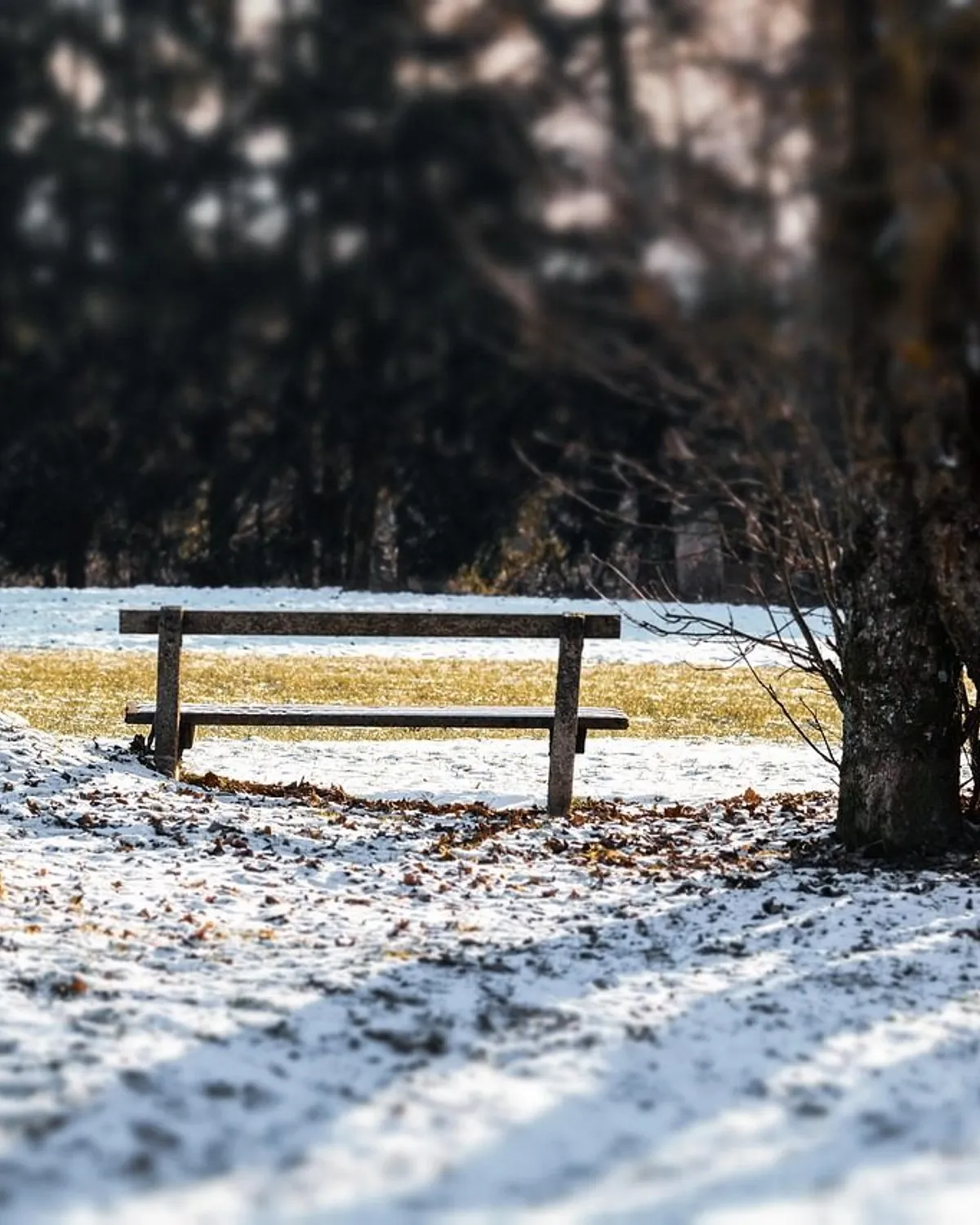
The Orangery in Lövstabruk is a stone building first known as the lemon or bitter orange house. Built in the late 1600s, it was partly damaged during the Russian invasion of 1719. Its stone construction limited the damage. In the 1730s it was restored and used again to store exotic trees over winter, including orange and bitter orange trees, laurel, myrtle and figs.
Four large tiled stoves heated the building. Shutters on its large windows helped keep the cold out in winter, and could be opened in warm, sunny weather. In spring, the plants were moved to the park. The building’s large-windowed rooms were then used as an assembly room.
The word “orangery” comes from the French word “orange”. It first referred generally to exotic plants and later also to the building used to keep them. Today the National Property Board manages the Orangery, and the Leufsta Foundation uses it for concerts, lectures, exhibitions, weddings and other events.
Get there
Ratings and reviews
The readers' rating shows from 3 ratingsBeen to The Orangery - part of the digital tour in Lövstabruk? Rate it with the same Sweden Herald account you use for comments. Ratings come from readers only, never from the place, and nobody can pay to change them.
More parks and nature in Uppsala
See the list NatureThe hothouse in Lovstabruk - part of the digital tour in Lövstabruk
 VenueLövstabruk Chamber Music Festival 2024Orangeriet Lövstabruk, Lövstabruk
 MuseumLövstabruk Manor (Leufsta bruk manor)Lövstabruks herrgård, Lövstabruk
 AttractionHärledgårdenTorstuna Härled 9, Fjärdhundra
 ActivityÖsterundagårdenÖsterunda Brunnsta 19, Fjärdhundra
 AttractionFröslunda kyrka
Sources and data
Visit Sweden national API and Sweden's regional tourism organisations. Text and ranking by Sweden Herald. Facts are checked against the sources above; opening hours and prices can change, so check with the place before you go.
Something wrong? Tell us · Work with us · Updated 7 November 2026