Key facts
- Website
- trelleborgsmuseer.se
Facts checked November 2026.
Is this your place? Get featured
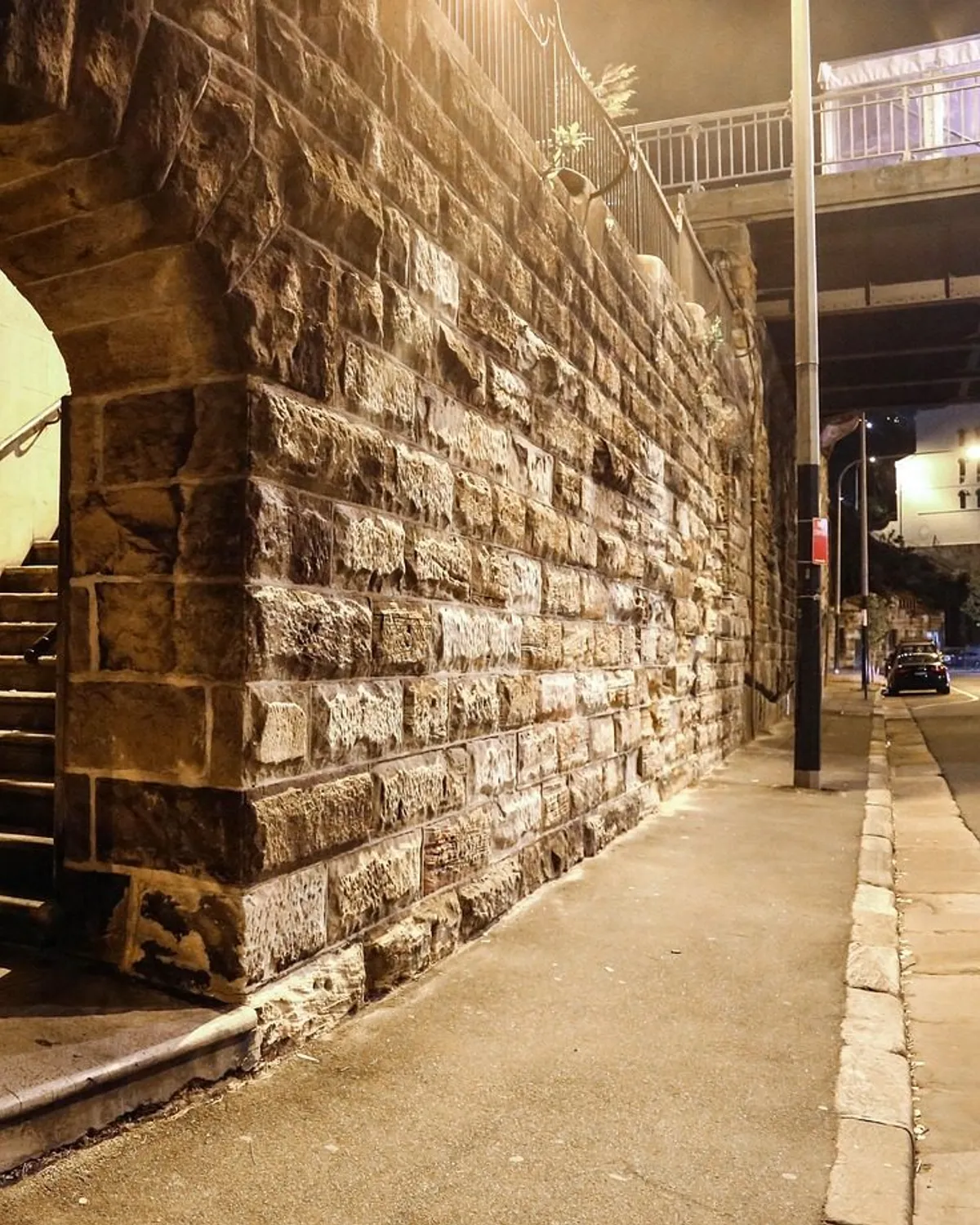
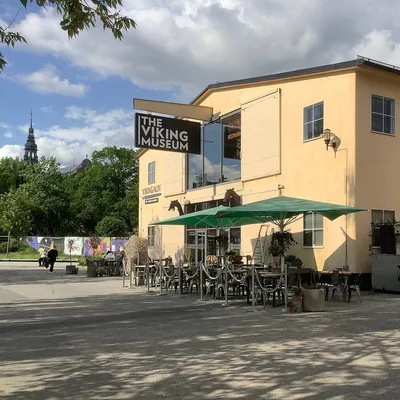
The Viking fortress was discovered on Kattebäckshejdan, the larger of two raised areas behind Trelleborg’s beach ridge. The Viking Museum is at the same location. Archaeological finds show that people used the area long before the fortress: Neolithic tools, grinding stones, pottery and pits were found there, along with Bronze Age remains including a house estimated to have been 26 metres long and 7 metres wide, and two graves. One grave contained a bronze dagger.
A settlement grew on the site in the later Iron Age, leaving house postholes, hearths, pits and objects. The Viking Age fortress seems to have largely replaced it. Its purpose is uncertain. The site’s position near the Baltic Sea may have attracted regional and local leaders, and archaeologists have asked whether the fort was one of Harald Bluetooth’s ring fortresses. Trelleborg appears to have been abandoned in the early 11th century. After about 200 years with little activity, the area saw extensive urban development from the 13th century. The town took its name from the fortress and had a marketplace, church and monastery. In the 14th century, longhouses were built on the former fortress site.
Get there
Ratings and reviews
The readers' rating shows from 3 ratingsBeen to Trelleborg ring fort? Rate it with the same Sweden Herald account you use for comments. Ratings come from readers only, never from the place, and nobody can pay to change them.
More things to do in Skåne
See the list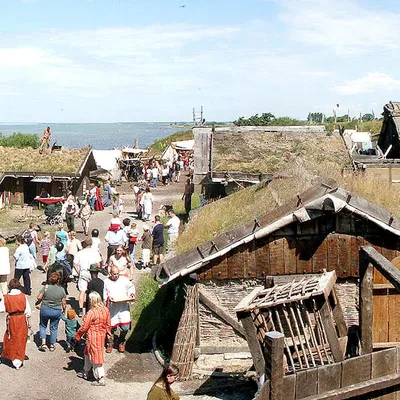

Sources and data
Wikidata, CC0. Text and ranking by Sweden Herald. Facts are checked against the sources above; opening hours and prices can change, so check with the place before you go.
Something wrong? Tell us · Work with us · Updated 7 November 2026