It is, among other things, the impact of fish feed on the ecosystem that means that Swedish-farmed rainbow trout only gets a yellow light in the World Wide Fund for Nature WWF's latest fish guide.
The fish species was upgraded to green light as recently as three years ago, but is now slipping back after WWF raised the bar in its assessments.
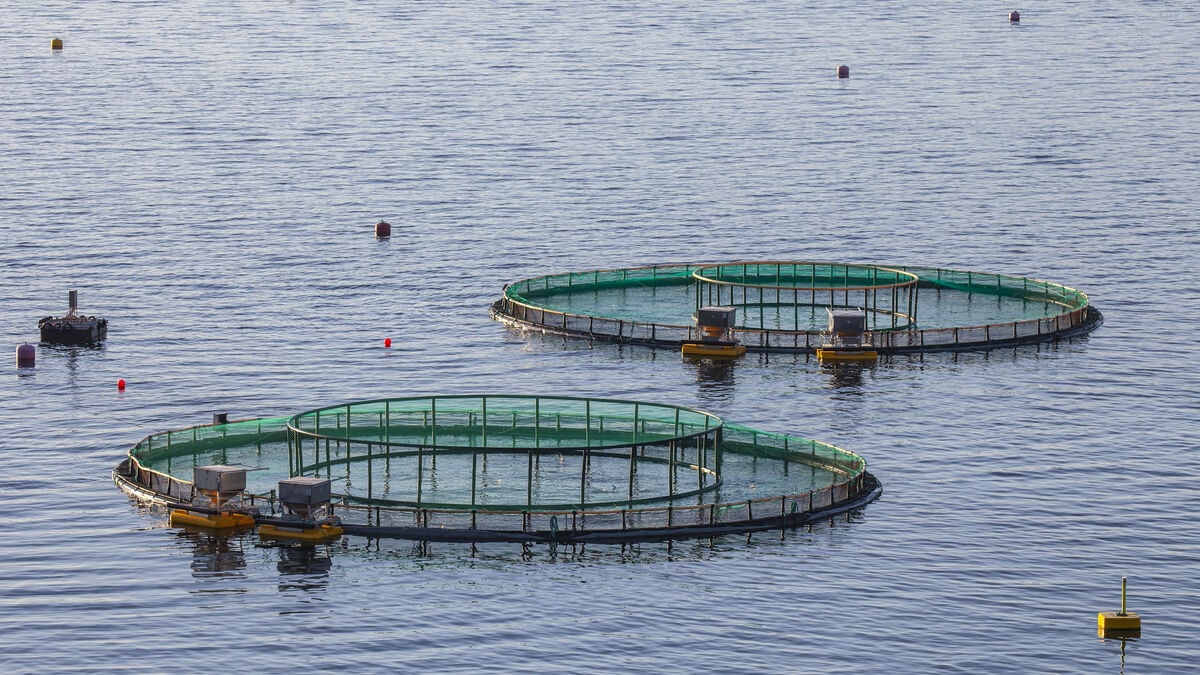
The rainbow trout that is farmed in Sweden is grown in open net bags in the water. So it is grown in an existing ecosystem, says Inger Melander, who is a marine and fisheries expert at the organization.
In closed, land-based farms, there is a different level of control. But when farming in waterways, there is, for example, a risk of nutrient leakage from the farm and that the fish can spread diseases.
Changes for cod
At the same time, cod gets the green light again for the first time in several years – but only if it is fished with longlines off Iceland.
Elsewhere, the trend is the opposite. Cod from both the Barents Sea and the Norwegian Sea previously had a red light if it was caught by trawling. Now, cod caught with longlines, nets or twine also goes from yellow to red.
You can have a stock that is doing very well, but where the fishing method is disastrous for other species or for the bottom habitat or where management is substandard, says Inger Melander.
So just because a stock is doing well doesn't necessarily mean that the fishery is sustainable.
“Food or money”
Many of the approximately 100 species included in the guide can be found with a green light. But overall, the situation remains worrying, according to Inger Melander.
"Our fishing is globally oversized. We are taking out too many fish without taking into account that these fish species have a unique role in the ecosystem and are part of unique processes and functions," she says.
We tend to just see them as either food or money.
Every year, the World Wide Fund for Nature (WWF) presents an updated version of its fish guide, which is intended as a guide for consumers, grocery stores and restaurants.
The species can be given either a green light (good choice), yellow (avoid and eat a maximum of 3–4 times per year) or a red light (leave it alone).
New in this year's guide:
Green to yellow:
Rainbow trout grown in open cages in Sweden.
Yellow to red:
Cod caught with longlines, nets or gillnets in the Barents Sea, the Norwegian Sea and the waters around Svalbard and Björnön.
Yellow to green:
Cod caught with longlines off Iceland.
Octopus caught in traps in the English Channel.
Tuna (skipjack), caught with rod or line in the Indian Ocean.
Salmon, farmed in closed land-based systems in Europe (last year only Norwegian farmed salmon had the green light).
Source: WWF.