At the Ottenby bird station on southern Öland, blackbirds, robins and chaffinches have started to appear. Here, meteorological spring now arrives just over two weeks earlier in the 2020s than it did in the second half of the 20th century. The birds have responded. On average, they arrive here a week earlier than in the late 1970s.
But there are individual species, such as the spruce warbler, which now arrive a full two weeks earlier than they did in the late 1970s, says station manager Magnus Hellström.
New species
A longer breeding season provides the opportunity for two broods instead of one for some species, he says.
If we look at the corresponding data in the fall, we see the price they pay is a later departure date. So their window of stay in Scandinavia has become longer.
Others, which can only have one brood, instead leave the country earlier when ready.
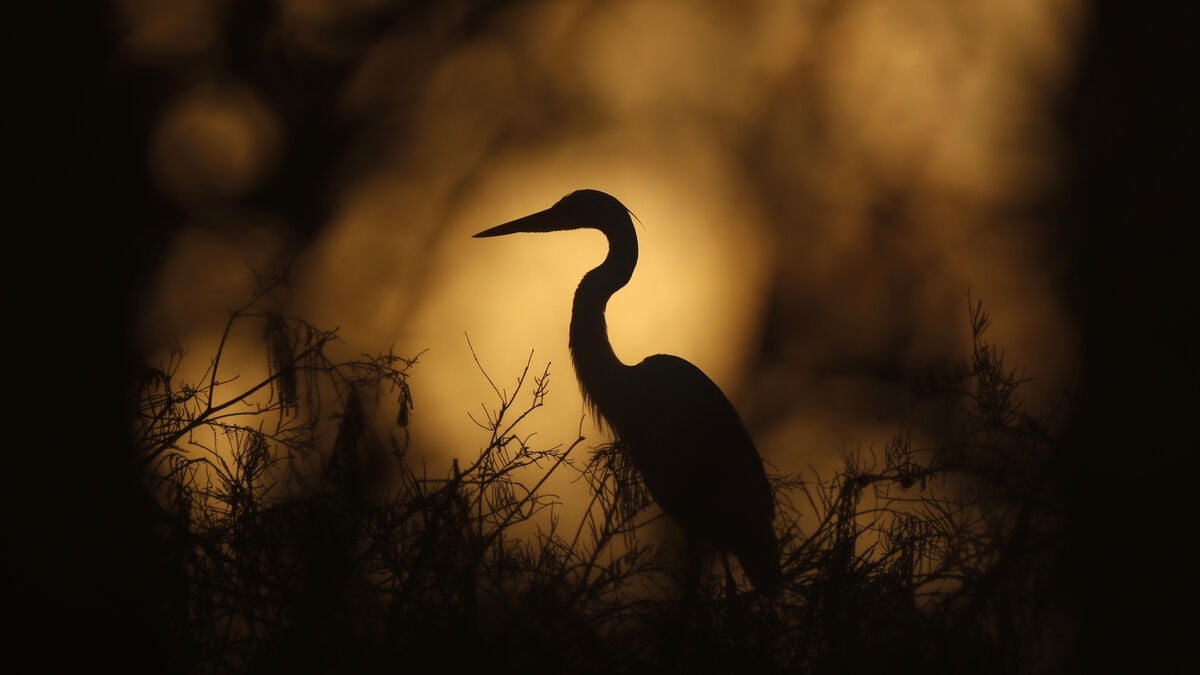
New arrivals have also appeared, such as egrets and garden warblers.
In a warmer climate, bird populations are pushed north. This means that we get a lot of new species to Sweden that migrate here naturally from the European continent. We probably have about ten species that have started breeding here in the 21st century.
May have died out
But where there are winners, there are also losers. Some northern species cannot get much further north. Others have had difficulty adapting. The pied flycatcher overwinters in Africa and has no idea when spring has arrived. This means that the eggs are laid at about the same time, but the young birds' food - butterfly larvae - has already pupated.
This type of mismatch is something we are very concerned about and know very little about, says Hellström.
This year's winter has been cold and in some places has delayed the arrival of spring. This may affect opportunistic species such as the wren, which does not migrate further than it needs to.
When they are surprised by this type of severe winter, we already know mortality rates are very high.