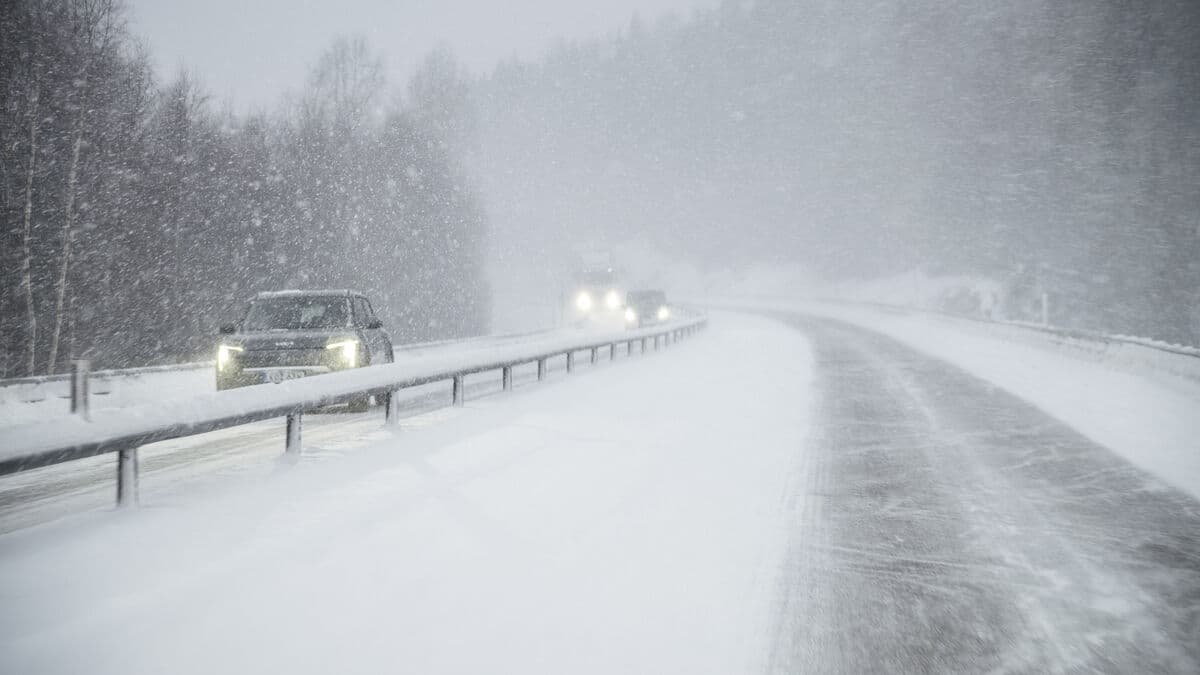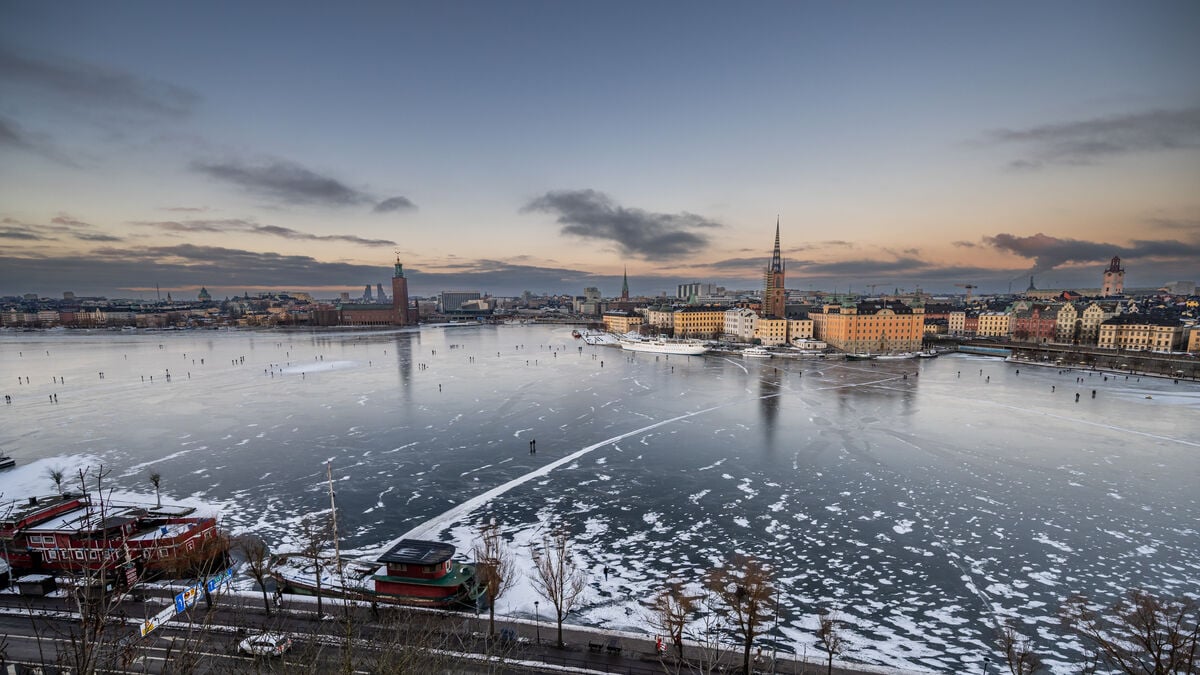
February this year has been unusually cold so far. In Skåne, snow warnings have followed one another, in Stockholm people are walking on Lake Mälaren, and in the north the temperature has been well below normal.
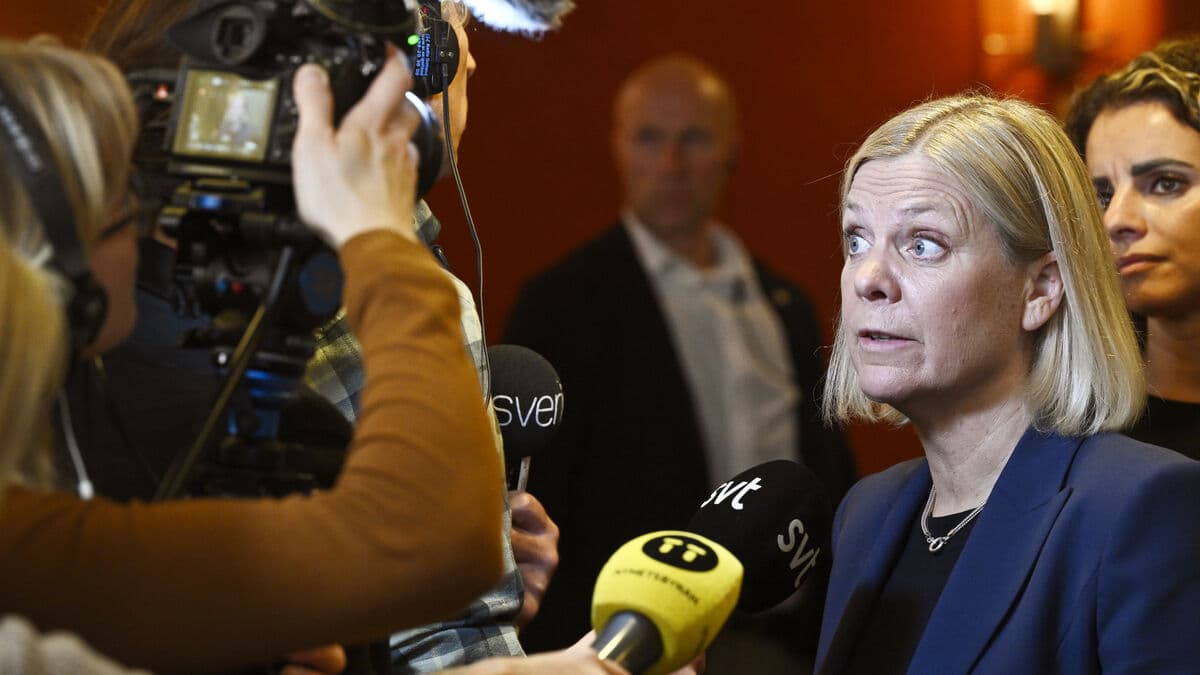
"It's high pressure that has kept cold air over the country, which has caused this cold period. If it continues the same way, it will be a very cold February," says Viktor Bergman, meteorologist at SMHI.
“As it was in 2018”
What has happened in Sweden now is called a long-term high-pressure blockage by meteorologist Martin Hedberg, who is a climate expert at Länsförsäkringar. If it happens in winter, it will cause a longer cold period.
But if it occurs in summer, as it did in 2018, a lot of solar radiation instead drives up temperatures.
It has also been unusually cold in the eastern United States and northern Europe. And the phenomenon may be due to global warming, which is happening faster in the Arctic than around the equator. This in turn affects global air currents such as the jet stream - which controls where there is high pressure or low pressure and where cold and warm fronts come, according to Hedberg.
Climate change is not only causing temperatures to get warmer on average - it is also changing weather patterns. This could mean periods of high and low pressure lasting longer, he says, but adds that more research is needed in this area.
Several heat records
The last few years have been exceptionally warm. 2024 was the warmest year on record globally. The Earth's average temperature was measured at 1.5 degrees warmer than in pre-industrial times. 2025, in turn, was only 0.13 degrees cooler than the record year, and 2023 was only 0.01 degrees cooler.
Martin Hedberg emphasizes that one should not get too hung up on the fact that there have been low temperatures over the past month.
November and December were very mild, which are also part of the winter months.
Bergman at SMHI also points out that the first winter months of 2025 were unusually mild - especially December, which he believes was extreme.