Iran's nuclear program
When the US and Israel attacked Iran on February 28, they justified it by saying the country was close to acquiring nuclear weapons. How to prevent this will be worked out in detailed talks during the 60-day period, according to the White House.
The countries present different views on what should happen to Iran's highly enriched uranium - and on what any restrictions on the Iranian nuclear program should look like.
The return of inspectors from the International Atomic Energy Agency (IAEA) to Iran is part of the agreement, Vice President J.D. Vance told NBC News.
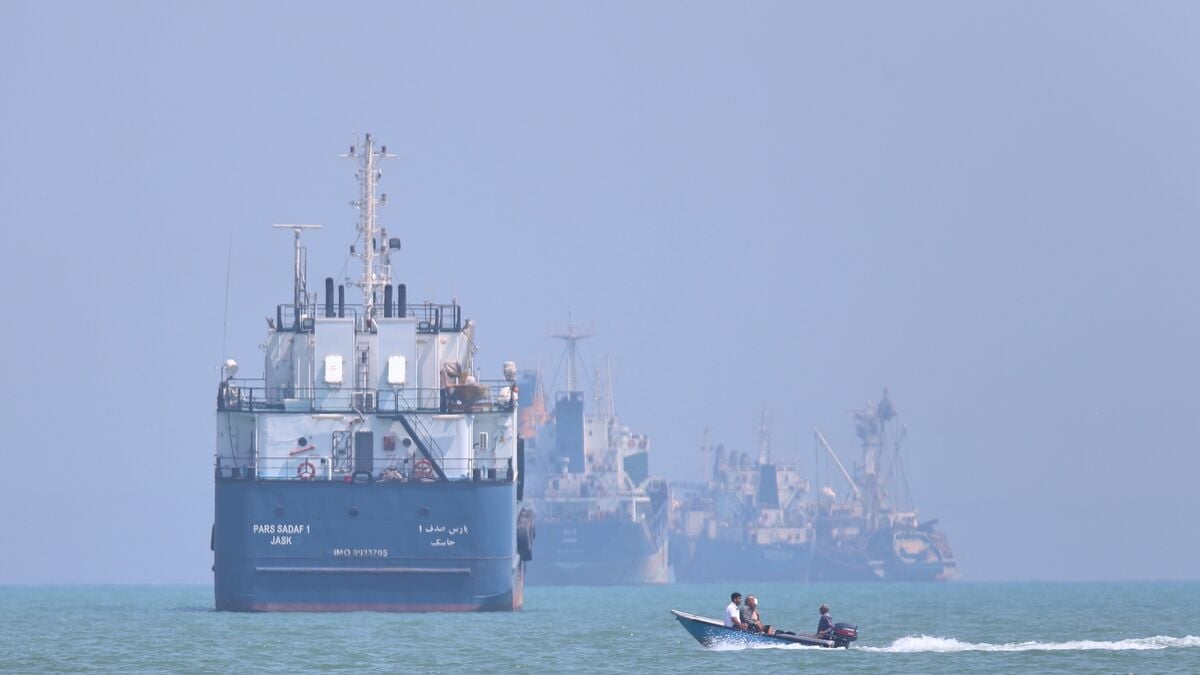
An open Strait of Hormuz
The shipping route, which is so important for global oil trade, has been blocked in several places during the war by both Iran and the United States, causing energy prices to skyrocket. But by Friday, the strait will open "fully" after some mines have been cleared, US President Donald Trump claims on social media.
However, there seems to be a split on whether Iran is allowed to charge a fee for passing ships. According to Vance, the passage should be “free of charge” in the long term, but Iran’s Foreign Ministry says Tehran is allowed to charge a maritime “service fee,” AFP reports.
European countries, led by France and Britain, say they are ready to secure shipping in the strait through a maritime operation.
Lifting sanctions and reconstruction
There are reports that Iran will gain access to a reconstruction fund worth $300 billion under the agreement, something Iran's Revolutionary Guards, among others, claim.
A US official links this to the lifting of international sanctions against Iran and the release of certain frozen assets, but it is unclear which ones are meant, according to media reports.
President Trump has dismissed reports that the US will provide the money as “fake news,” but Vance confirmed that the fund could become a reality if Iran follows through on its part of the deal, according to The Hill. In that case, the package could be financed by countries around the Persian Gulf, according to the vice president.
Peace in Lebanon?
The deal also includes a halt to fighting between Israel and the Iran-backed Shiite militia Hezbollah in Lebanon, which was a demand from Iran. But this passage is said to be vaguely worded and Israeli attacks have continued.
Iranian Foreign Minister Abbas Araghchi said on Tuesday that Israel's occupation of southern Lebanon must end under the agreement, and that it is the "most important issue" of the settlement.
But Israeli Prime Minister Benjamin Netanyahu has said that Israeli forces will remain in the neighboring country “as long as necessary.” The newspaper Haaretz writes that Israel interprets the agreement as meaning that its actions in Lebanon are not limited.