
US President Donald Trump promised recently that Russia’s war of aggression against Ukraine will “end soon” and that “the only reason it will end is because of me”.
But Russian President Vladimir Putin sees advantages in continuing negotiations with Trump, according to Fredrik Wesslau, a senior fellow at the European Council on Foreign Relations think tank. Negotiations divide the West and could lead to Russian concessions at the expense of Ukraine and Europe, in line with Putin’s goal of having the great powers dictate the terms of European security.
“Unlikely”
Wesslau believes it is “highly unlikely” that the talks in Abu Dhabi will lead to any ceasefire.
Putin wants to continue the war, believing he can achieve his goals through military means rather than at the negotiating table.
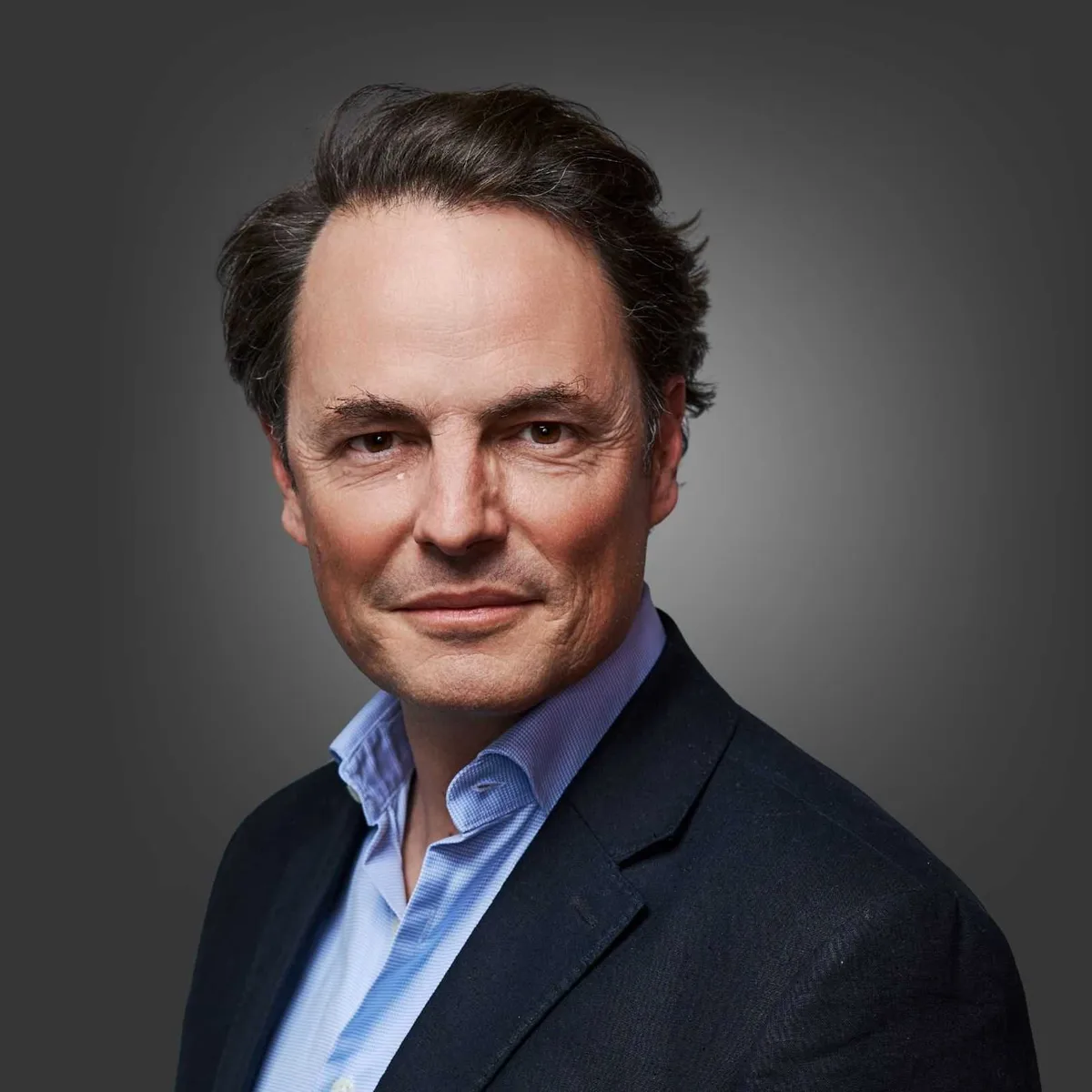
Fredrik Wesslau, senior expert at the European Council on Foreign Relations. Press photo.
He also points out that the US has recently reduced the pressure on Russia, including by easing sanctions and entering into agreements to buy diesel. Russia will deliver up to 36 million barrels - equivalent to 4.8 million tons - to the American and global markets.
Further away from peace
To change Putin's calculation and force real negotiations on a ceasefire, the US would need to impose tougher sanctions, while Ukraine would need to receive more weapons and long-range missiles, and Russian assets would need to be frozen.
What Trump has done in recent weeks means that we have moved further away from peace or a ceasefire, says Fredrik Wesslau.
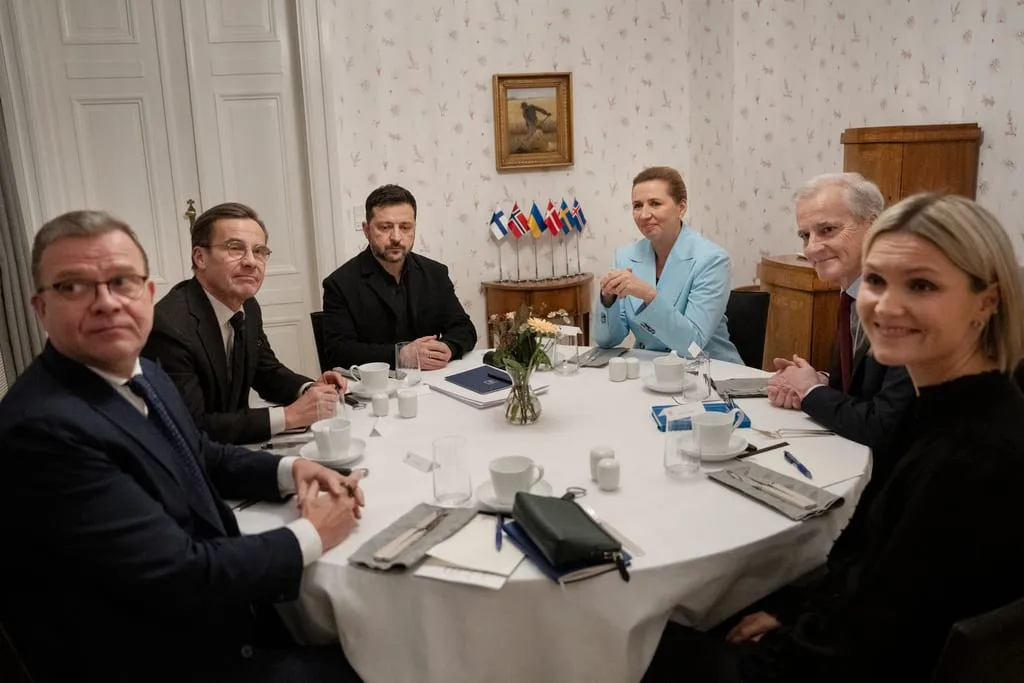
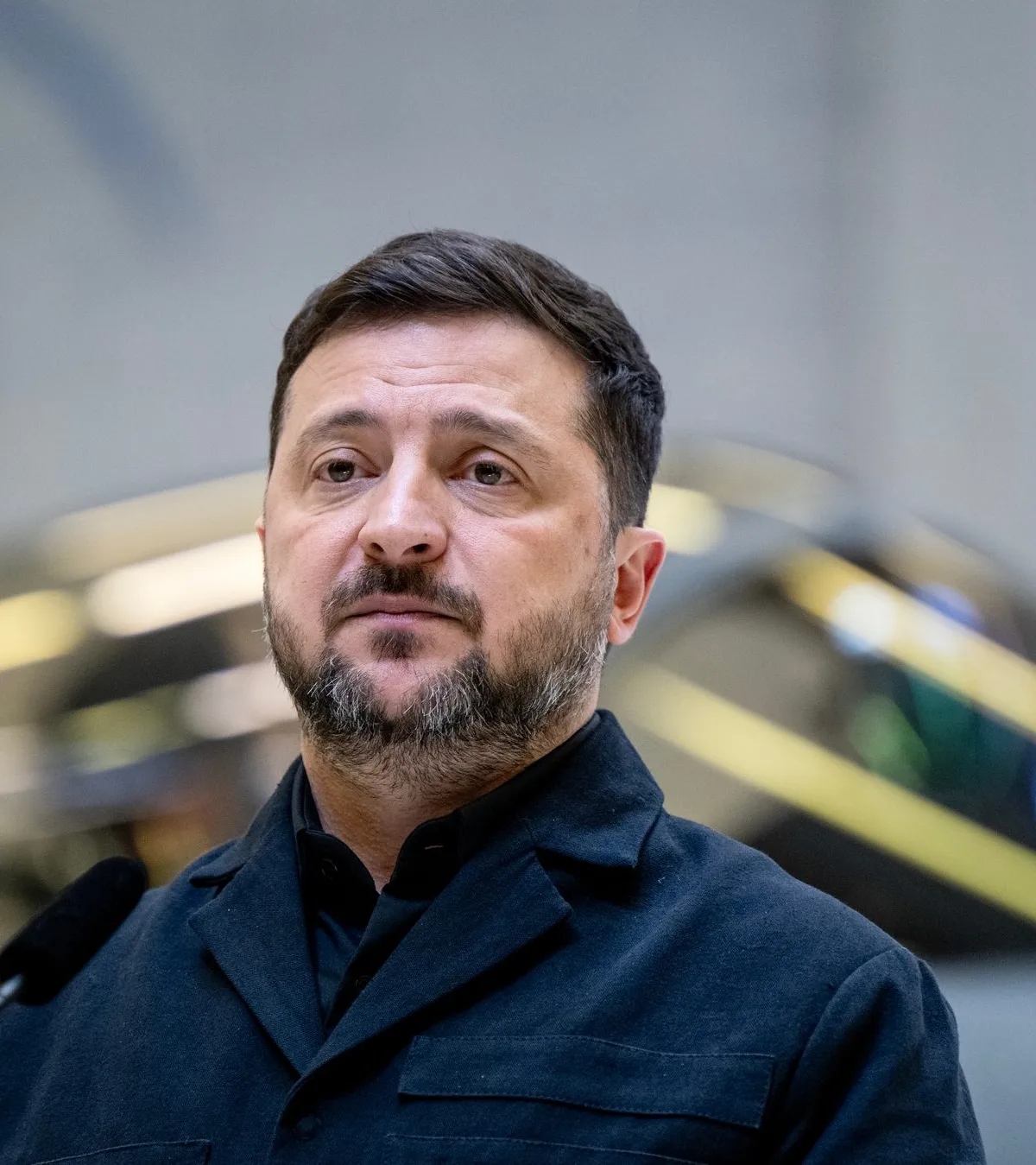
While the official talks are taking place in Abu Dhabi, Ukrainian President Zelenskyy is in Denmark to meet with heads of government from the Nordic countries and discuss military support for Ukraine and security in Europe.
Europe's support for Ukraine remains strong, through sanctions and financial and military assistance, not least through the EU's pledge of a €90 billion loan to Ukraine over two years. By further increasing support, Europe can put pressure on Moscow to choose peace negotiations over continued war.
This would create new incentives and perhaps make Moscow realize that it has a greater interest in a negotiated peace than in continuing the war, says Fredrik Wesslau.


What do you think?