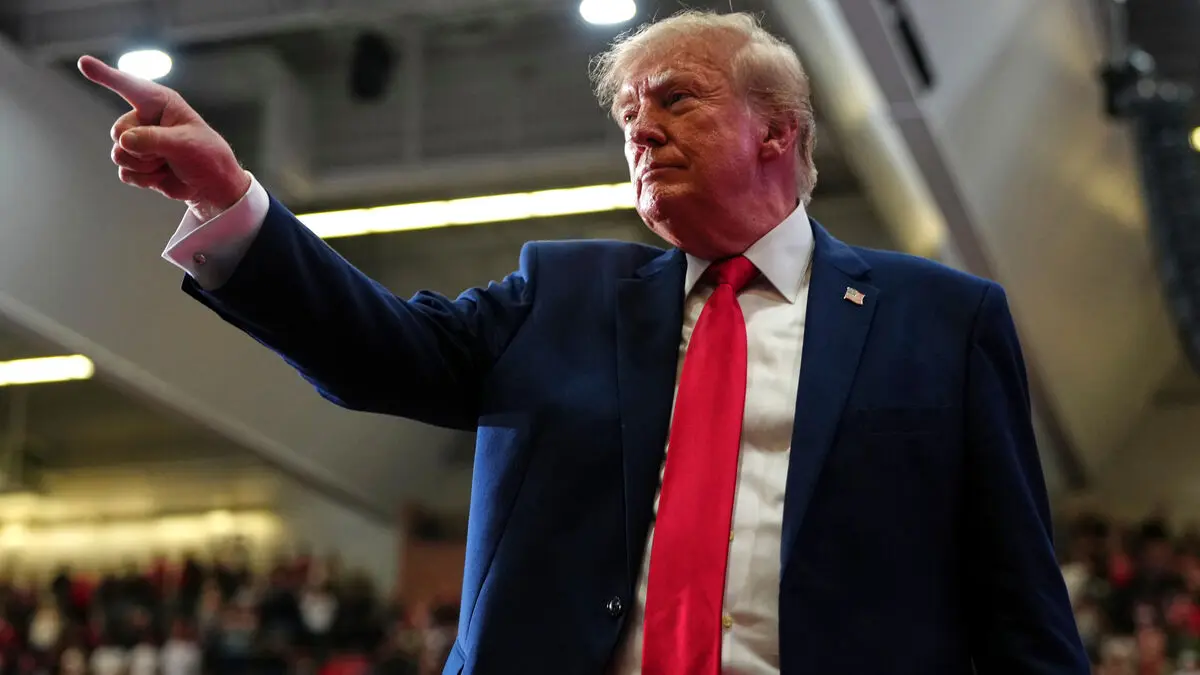
Earlier this year, the Supreme Court ruled against President Donald Trump and invalidated the tariffs he had been trying to impose on the rest of the world.
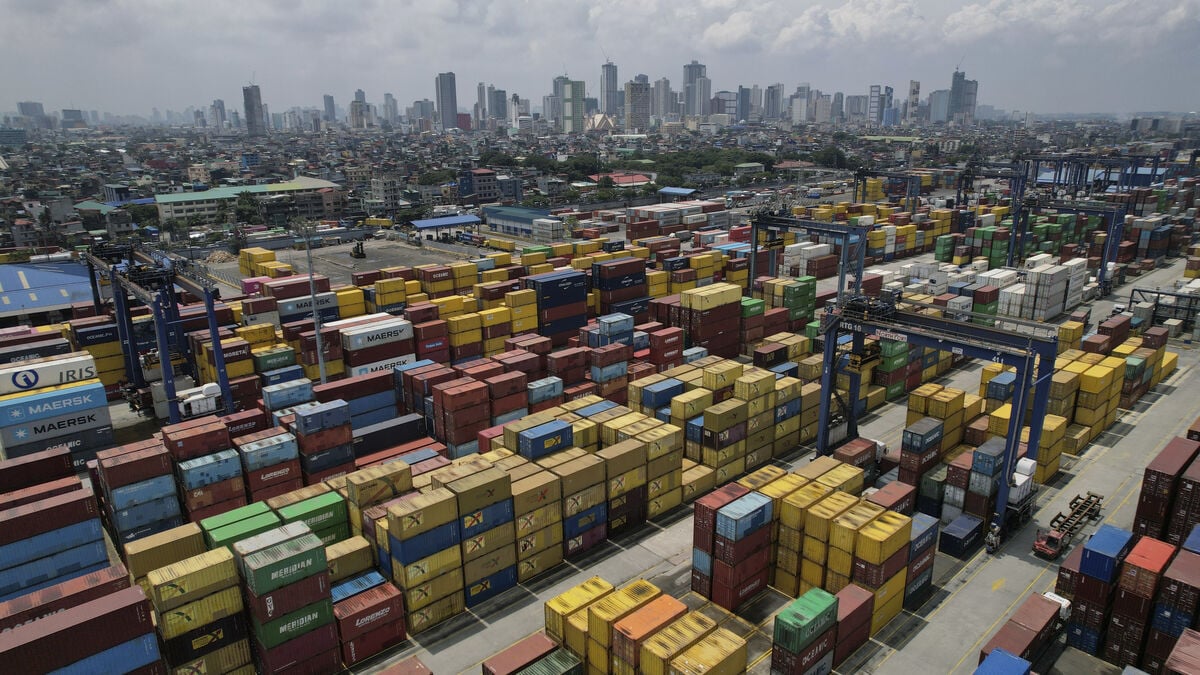
According to CNN, Trump then called the decision "a disgrace" and said he was preparing a plan B. That plan has now been presented and involves tariffs of 10.0–12.5 percent. The lower tariff rate would apply to the EU, Canada and Mexico, while 12.5 percent would affect, for example, China, India and Japan.
Same tariffs
The lower tariffs would be applied to countries that, according to the Office of the US Trade Representative (USTR), do not produce goods alleged to have been manufactured through forced labor.
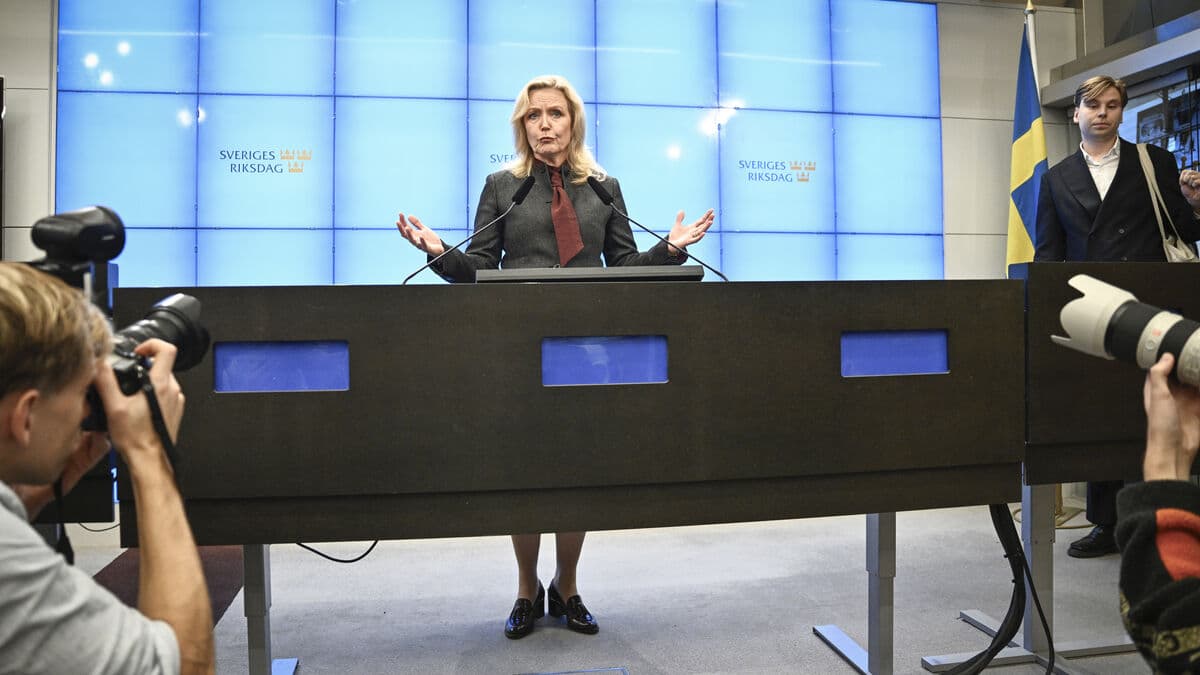
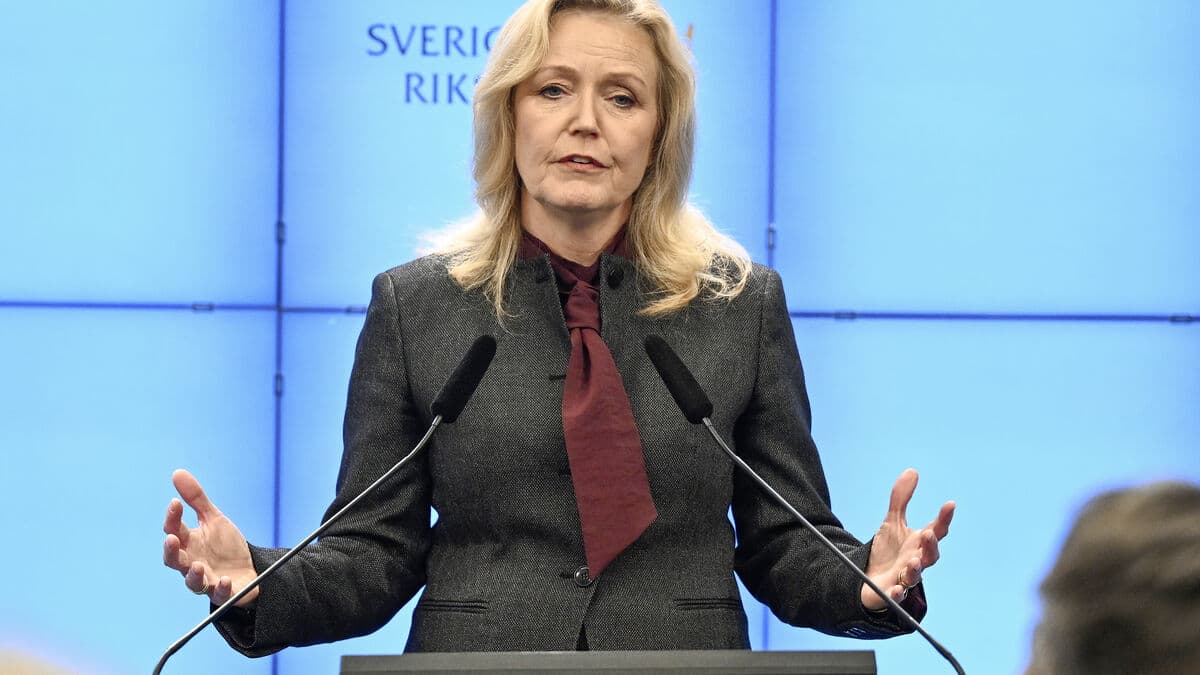
"It will be roughly the same tariffs as before, perhaps even slightly lower. We also have strict legislation in the EU related to forced labor," says Minister of Development Cooperation and Foreign Trade Benjamin Dousa.
SEB's US economist Elisabeth Kopelman shares Dousa's view:
"My view is that this is in line with what was announced immediately when the Supreme Court's ruling came out at the beginning of the year. In general, you can say that these tariffs are a tightening of what was in place before Trump returned. However, these are levels that the business community can live with, unlike 25–30 percent," she says.
No trade conflict
Trump's previous tariff moves have triggered countermeasures from around the world. In this case, however, Dousa does not expect anything like that from the EU:
"From the EU's side, we have said that as long as all parties adhere to the agreement that we signed almost a year ago, we have no interest in any major trade conflict or countermeasures," he says.