In 2022, the world's countries agreed in Montreal to protect 30 percent of land and sea areas by 2030. When the government presents Sweden's action plan, it does so almost a year after the deadline.
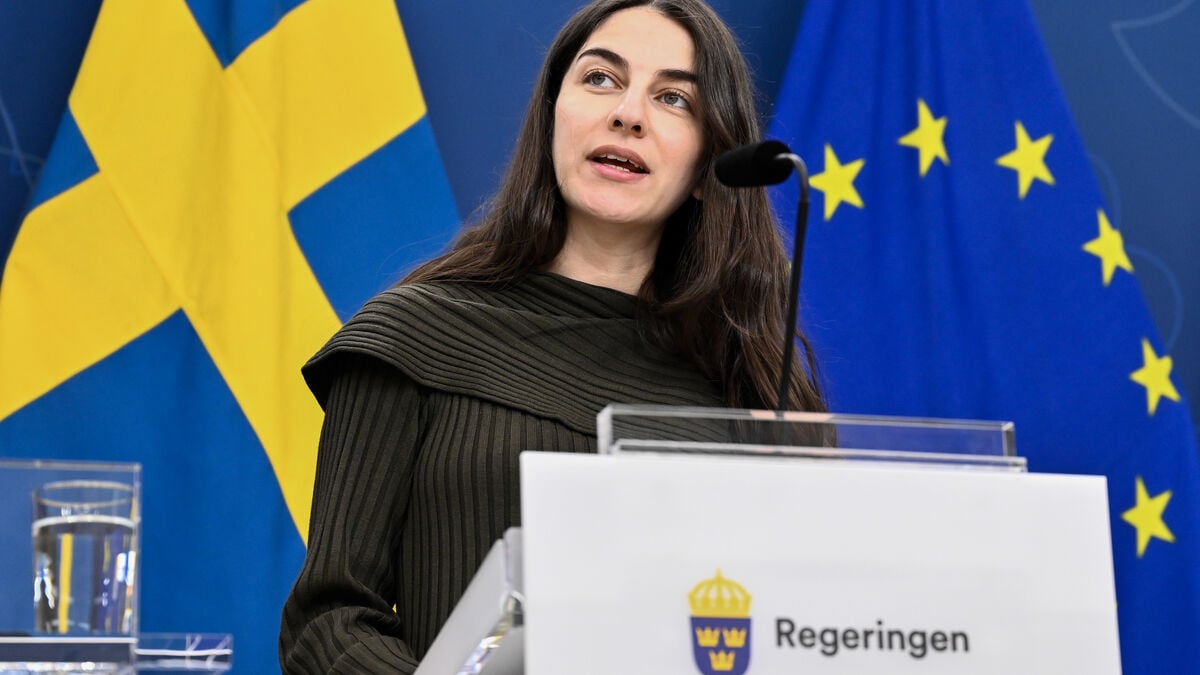
Two news items concern urban greenery and pollinators, which will become new milestones. Urban greenery is a way to strengthen both biodiversity and our quality of life, explains Minister of the Environment Romina Pourmokhtari (L).
The issue of wild pollinators is far too neglected, she believes.
Receives criticism
It's about wild bees, bumblebees and other species, but also about butterflies, beetles and even something as banal as fruit flies, which are important pollinators that affect our landscapes. It's important that more people become aware of this, not least that authorities take it a little more seriously in their work.
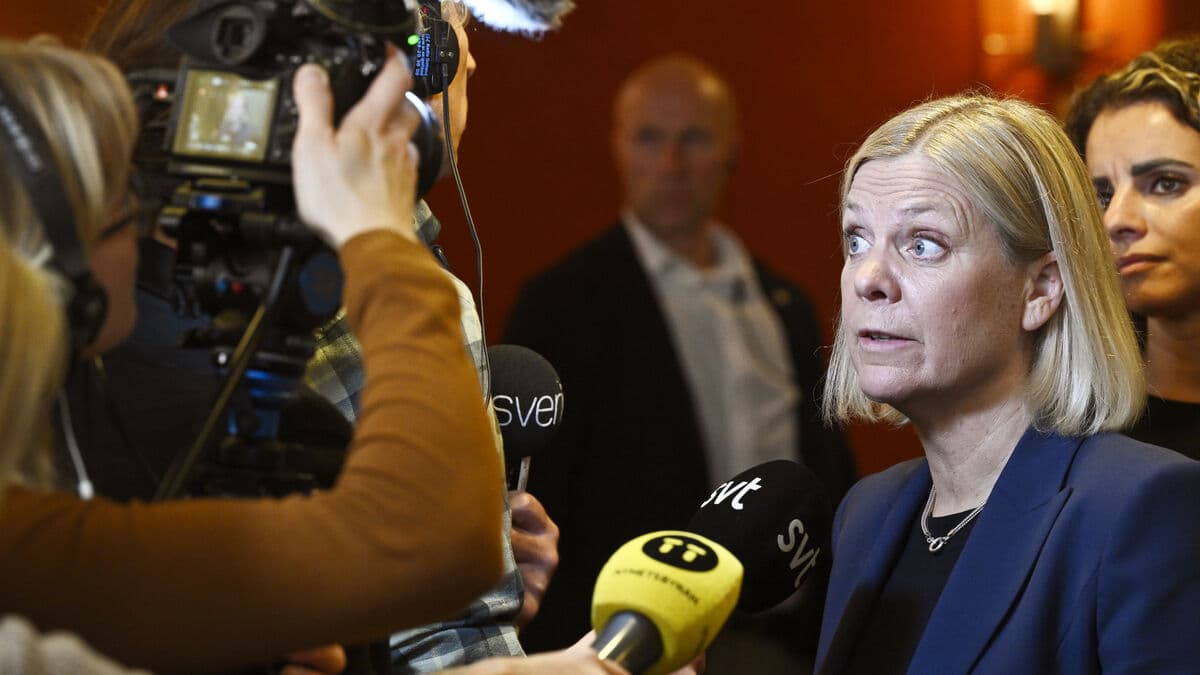
But the rest of the action plan does not contain much new, according to environmental organizations that are critical of both content and ambitions.
We lack a clear national milestone for how we will protect 30 percent of our waters and land areas by 2030, which is a global commitment. This is a serious shortcoming, says Åsa Ranung, policy advisor at the World Wildlife Fund (WWF).
Lacks crisis insight
The Swedish Society for Nature Conservation points out that the action plan is being submitted a year too late and describes the government's ambitions as "insufficient".
"There are no answers to how to stop the rapid loss of biodiversity. The gap between what Sweden has promised internationally and what the government is actually doing is enormous. The government shows a serious lack of crisis insight," says Karin Lexén, Secretary General of the Swedish Society for Nature Conservation, in a written comment.
Facts: Agreed in Montreal
The UN Biodiversity Summit is usually held every two years. The most recent, COP16, took place in Cali, Colombia, in the fall of 2024.
COP stands for Conference of the Parties and refers to the parties to the UN Convention on Biological Diversity. The number indicates which meeting in the order it is.
In 2022, Montreal, Canada, hosted the event. The historic agreement reached there includes 23 action targets and is called the Kunming–Montréal GBF (Global Biodiversity Framework).
The addition of Kunming is because the Chinese city was originally supposed to host the meeting, but it was moved due to China's Covid restrictions at the time.