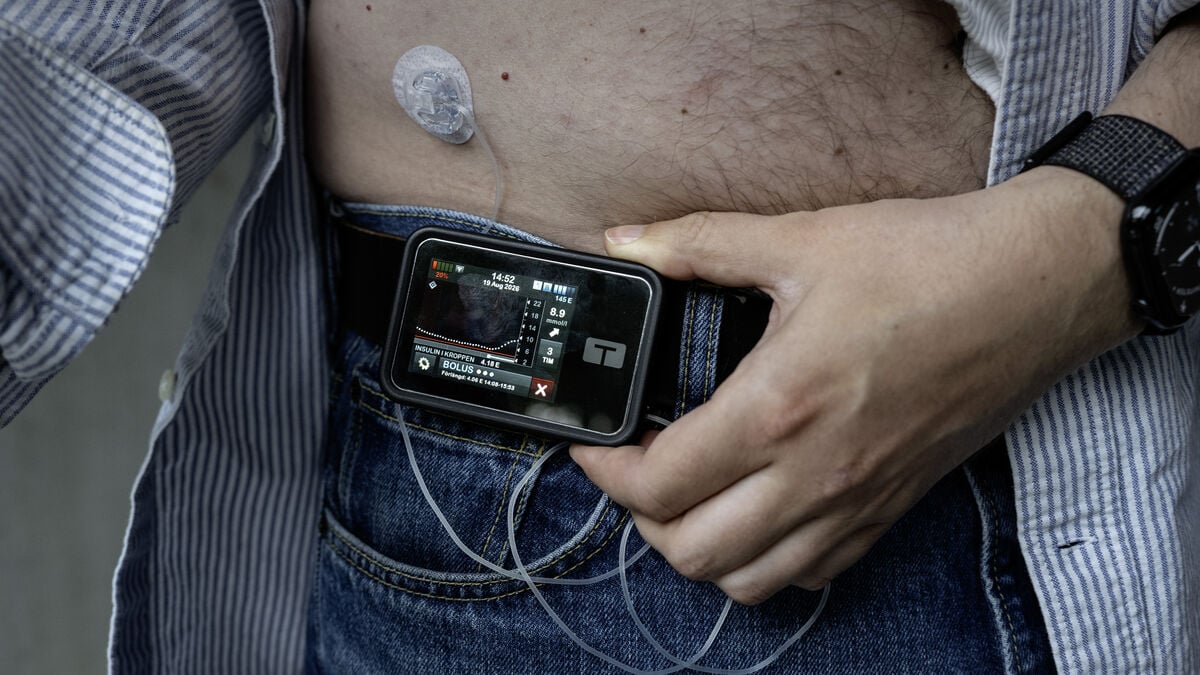
In type 1 diabetes, the body's own insulin production has ceased. Since insulin is required to regulate blood sugar, the patient must take the hormone for life.
Now, researchers at Uppsala University Hospital have tested a new method in which a man in his 40s was transplanted with genetically modified insulin-producing cells from a deceased donor.
Avoid immunosuppressive drugs
The fact that the cells were genetically altered before the transplant meant that the man did not have to take immunosuppressive drugs. As with other forms of transplants, this is otherwise necessary to prevent the recipient's body from rejecting the cells.
Transplantation of cells that produce insulin has been done for just over 20 years in Sweden. But so far it has mainly been done on patients who also need a new kidney, because they need immunosuppressive drugs, says Per-Ola Carlsson, who is responsible for the study.
The patient has been followed for 14 months and the case is described in the New England Journal of Medicine. The cells used were transported to the University Hospital in Oslo where they were genetically modified. The genetic modification has made the patient's immune system unable to detect them.
Stem cells next step
Immunosuppressive drugs cause side effects such as susceptibility to infection and increased risk of cancer. Avoiding this raises hope that more people can be treated.
The hope is that the technology will completely change type 1 diabetes from a chronic disease to a curable disease, says Per-Ola Carlsson.
The study has focused on safety, but the new cells have also produced insulin in the recipient. Now the researchers will test the method with a larger cell population, which is needed to cure type 1 diabetes.
In this study, the researchers will also investigate whether stem cells that have been cultured to become insulin-producing cells can be used instead of donated cells.
If the method is to be used widely for more patients, donated cells from deceased persons will not be enough, says Per-Ola Carlsson.
Type 1 diabetes occurs when the body's immune system destroys the insulin-producing cells, which makes the person dependent on insulin injections.
The disease often debuts in childhood or adolescence, but can develop at any age.
Type 1 diabetes is treated with insulin for life. In order to take the right dose of insulin, blood sugar must be checked regularly.
Source: 1177, Swedish Diabetes Association