
Shannon Gibson is a professor of environmental studies and international relations at the University of Southern California who studies climate summits.
She sees five techniques diplomats use to slow progress.
1. Say it's too expensive.
Rich countries blame their budgets, while emerging economies such as China and India say they need time to adjust. At the same time, huge sums are spent on defence and fossil fuel subsidies.
If you took money from there, you could easily raise what is needed, not only to reduce emissions but also for adaptation and losses and damages.
There is also a “free rider problem” with collective goals that impose no requirements on individual countries.
Countries can get away with almost anything, she says.
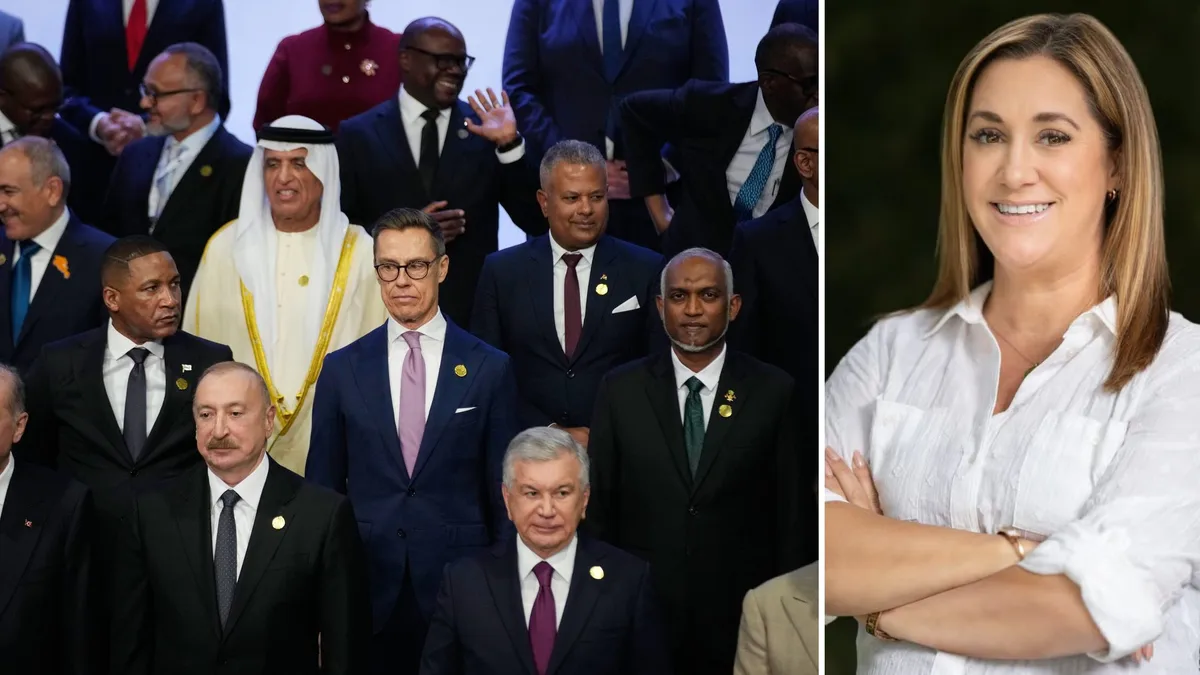
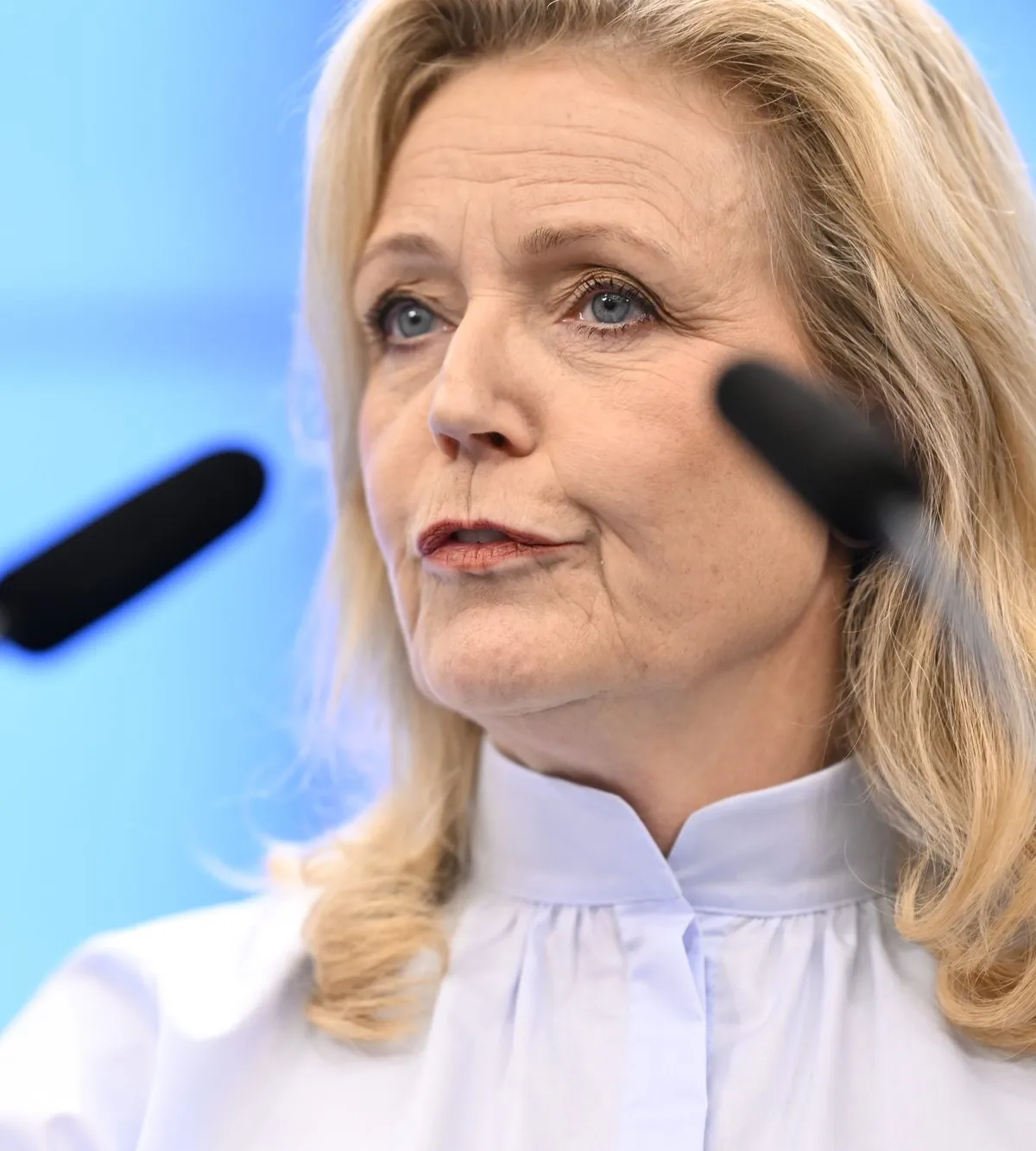
World leaders gather in Turkey. But will they move forward? On the right, Shannon Gibson.
2. Point to the technology.
Advanced technologies, such as carbon storage - and, in more extreme cases, ideas about climate manipulation or genetically modified trees - are sometimes highlighted as important tools.
I think this technological optimism can sometimes be more dangerous than saying no outright, because it becomes a kind of facade of action. But countries continue to support their carbon-intensive industries.
3. Watering down.
Trying to remove words like “fossil fuels”, writing “phase down” instead of “phase out”, or inserting words here and there is a classic technique for avoiding action.
4. Promise - but do not deliver.
Countries can make promises that they can then back out of or ignore. Gibson highlights that Nepal asked for an emergency meeting with the Loss and Damage Fund and received a pledge of $20 million.
But they still have to make an application. So you have a disaster-stricken country that has to sit down and write a grant application, she says.
5. Make decisions without everyone being there.
Climate summits require consensus. But if a country doesn't make it, or if the chair "misses" that a country has asked to speak, decisions can still be hammered out. Gibson says there is a pattern.
It's never the case that it's Saudi Arabia that you miss, she says.
Despite all the shortcomings, she has hope for the climate processes at the COP.
Despite having had a pandemic, several wars and the US leaving the Paris Agreement twice, the forecasts for temperature increases have gone down. So I hope we will continue to make progress, she says.


What do you think?