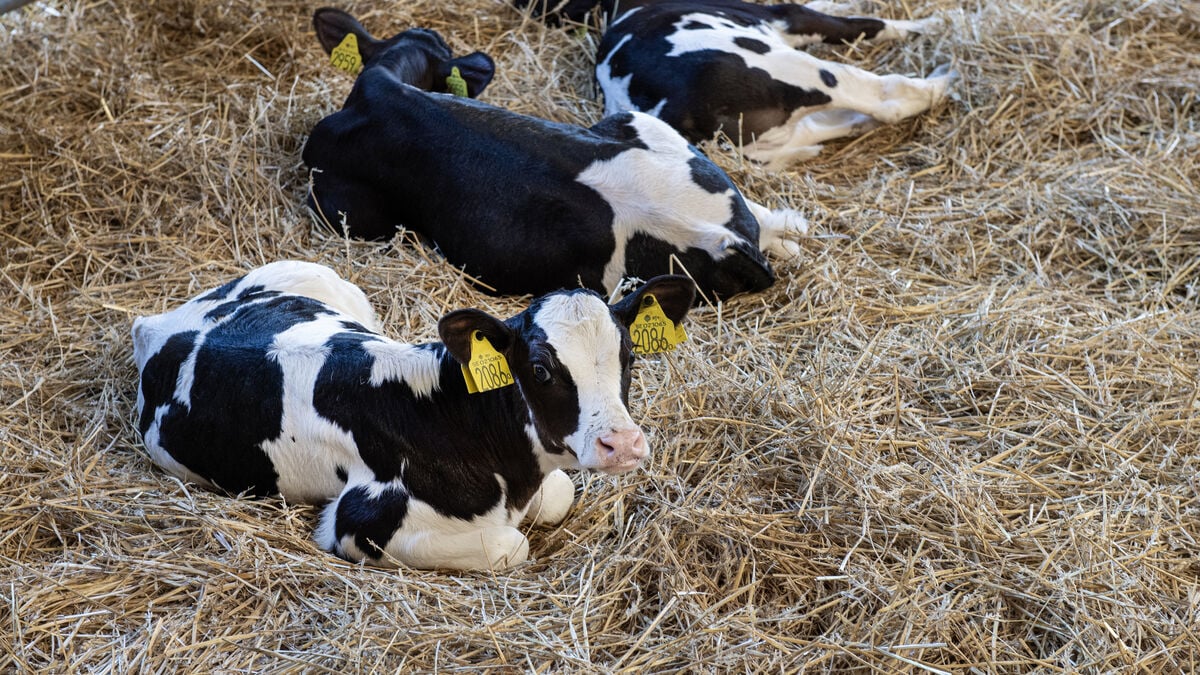
The calves were likely infected in the fetal stage during the summer and autumn, according to a press release from the Swedish Veterinary Institute, SVA.
Bluetongue of the current type was first detected in Sweden in September 2024, probably after infected stinging nettles were blown in from Denmark. The cases now reported are the only ones to have been infected in Sweden this year, according to SVA.
The disease is spread by stinging nettles and is normally found in tropical parts of the world. Bluetongue cannot infect humans.