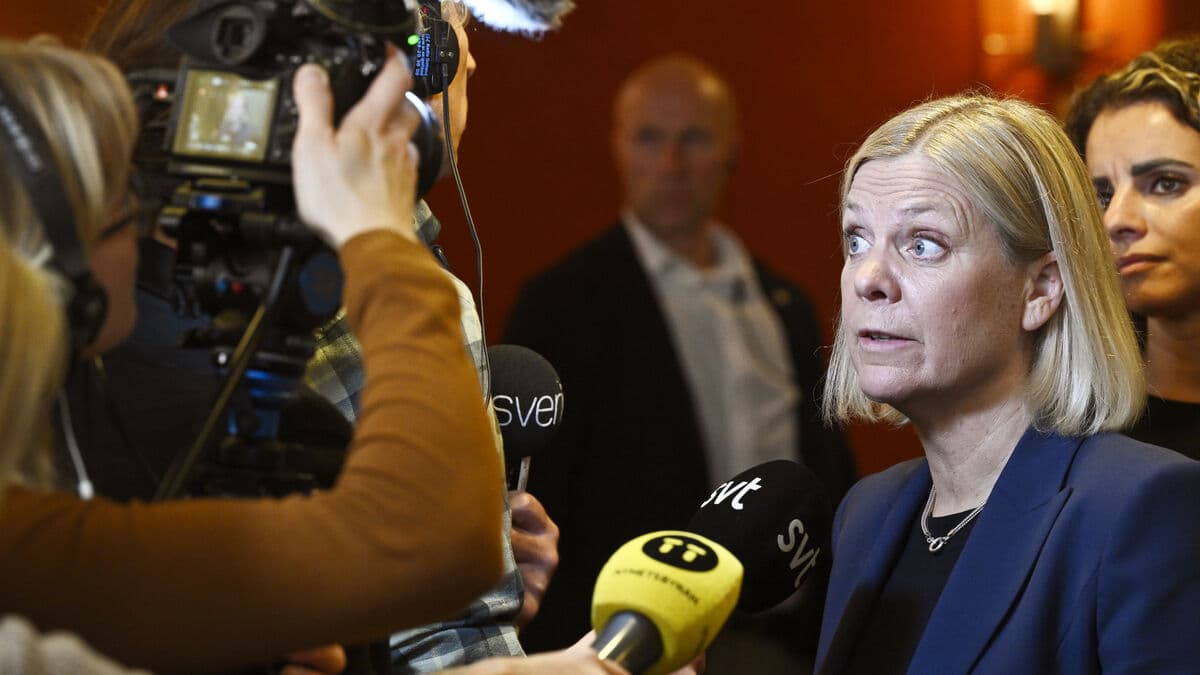
Hair-raising, says Nicholas Aylott, program director for the Europe Program at the Swedish Institute for International Policy, about the paragraph on European policy in the new US National Security Strategy.
The American government is giving itself the freedom to cultivate internal resistance to what the US sees as Europe's decline, to intervene in the internal politics of European countries. It is shocking that it is described so clearly and bluntly.
He is not alone in his reaction. A large number of politicians and experts have hit back at the text that was published on the White House website on Friday.
The threat of interference in European politics cannot be accepted, thunders EU Council President António Costa, for example.
Changed relationship
In a speech in Brussels, Costa states that the United States no longer believes in multilateralism, a rules-based world order, or climate change – and that it is necessary to realize that the relationship with a long-standing ally has changed.
Allies do not threaten to interfere in democratic life or the internal political choices their partners make, he says.
The national security strategy also airs ambitions to put an end to global mass migration while advocating American "supremacy" in Latin America and dominance in the Western Hemisphere.
In the paragraph on Europe, the US is urged to avoid following the same path as there is a risk of "civilizational extinction" through immigration, low birth rates and threats to freedom of expression, among other things. "Strategic stability" towards Russia is advocated. And the EU is described as something that "undermines political freedom and sovereignty".
Is it degrading?
The strategy was published around the same time that the Pentagon reportedly told Europe that it would have to take over most of the responsibility for NATO on its home turf by 2027. This could mean that US forces and weapons would soon have to be replaced by European ones. The underlying message to Europe is that it must take responsibility for its own security, its relationship with Russia and the war in Ukraine, Aylott believes.
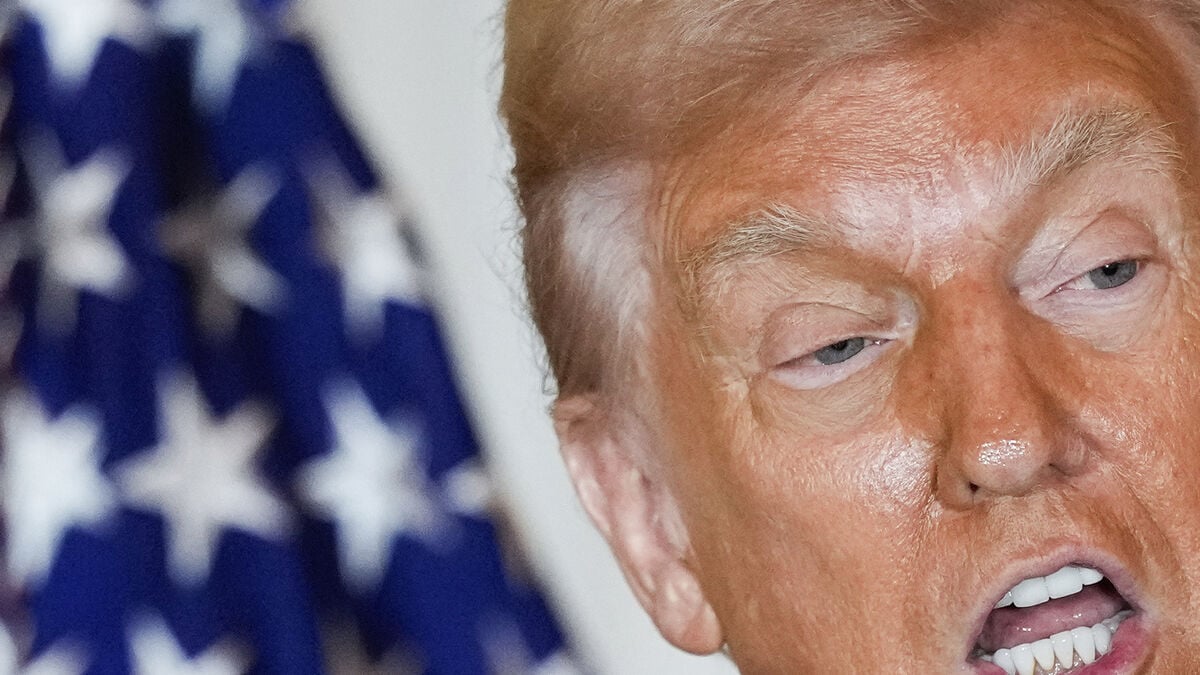
These are signals the Trump administration has sent to Europe since taking office. But it must feel shocking and brutal for European governments to receive the message so clearly.
Aylott interprets the passage about "cultivating resistance (...) within European nations" as being partly about migration.
But according to the strategy, it is also about Europe's lack of self-confidence and over-dependence on the US. We Europeans are seen as a burden, and that is a bit humiliating for us.
The rules-based world order, which European leaders believe the United States and its President Donald Trump are about to abandon, is sometimes called the Western, liberal world order. It is based on certain values, norms, institutions and regulatory frameworks created to govern the actions of states globally.
These include the UN Charter's formulation of the equality of states and the prohibition of violence and threats of violence between states. The principles of international law on human rights, international humanitarian law (which includes the four so-called Geneva Conventions on the laws of war), international criminal law and treaty law are important.
The rules-based international order was developed after the end of World War II. Former US Secretary of State Antony Blinken has described it as "a system of laws, agreements, principles and institutions that the world collectively built after two world wars to govern relations between countries, prevent conflict and uphold the rights of all people".
Sources: Royal Swedish Academy of Military Sciences, Government Offices and the British Parliament