
Trump has already tried to influence the election outcome - without success - through the Justice Department’s lawsuits in Alaska and California, he says.
Bianco is currently a visiting professor at the Swedish Institute for North American Studies at Uppsala University.
He emphasizes that Donald Trump has lost essentially all legal cases related to election fraud since 2020.
In the states
Last week, the Justice Department filed a motion for a preliminary injunction in Alaska in case of a Democratic victory, citing confusion over candidate names. The background is that two candidates on the ballot have almost the same name: the incumbent Republican senator Daniel S. Sullivan and the independent Daniel J. Sullivan, who, according to media reports, was recruited by the Democrats.
But the issue of the candidates’ names had already been considered by a court in Alaska, and the Trump administration’s lawsuit was dismissed by a federal judge.
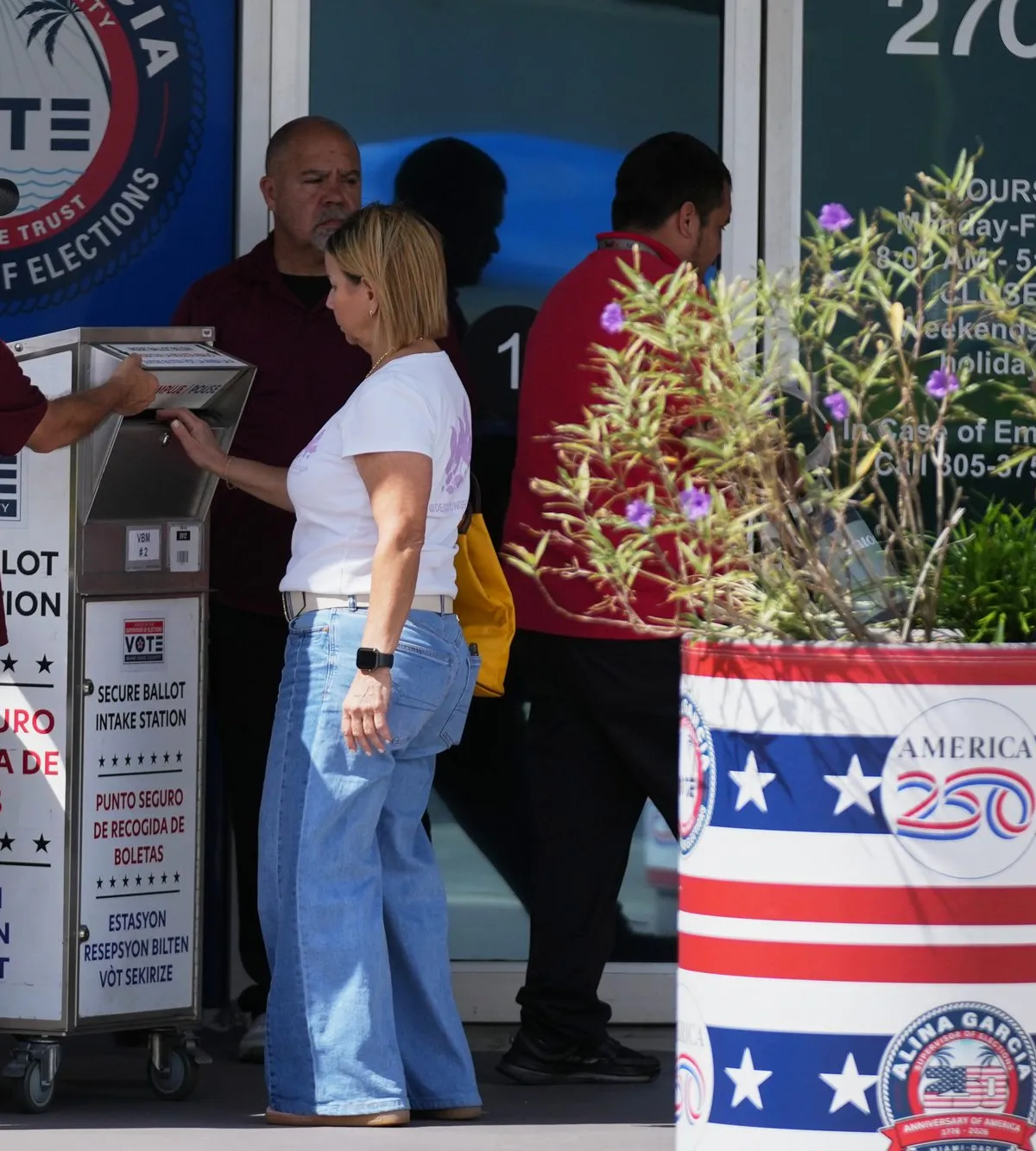
A key argument was that elections are organized by the states, not at the federal level, according to the US Constitution. The same reasoning underpins the Supreme Court's refusal, the day before the election, to order the Trump administration to sort out 20,000 mail-in ballots that it claims may have been submitted by non-Americans.
The president has also failed in other attempts to control the election, such as restricting mail-in voting and stopping the use of certain voting machines, Bianco points out.
Anger and vetoes?
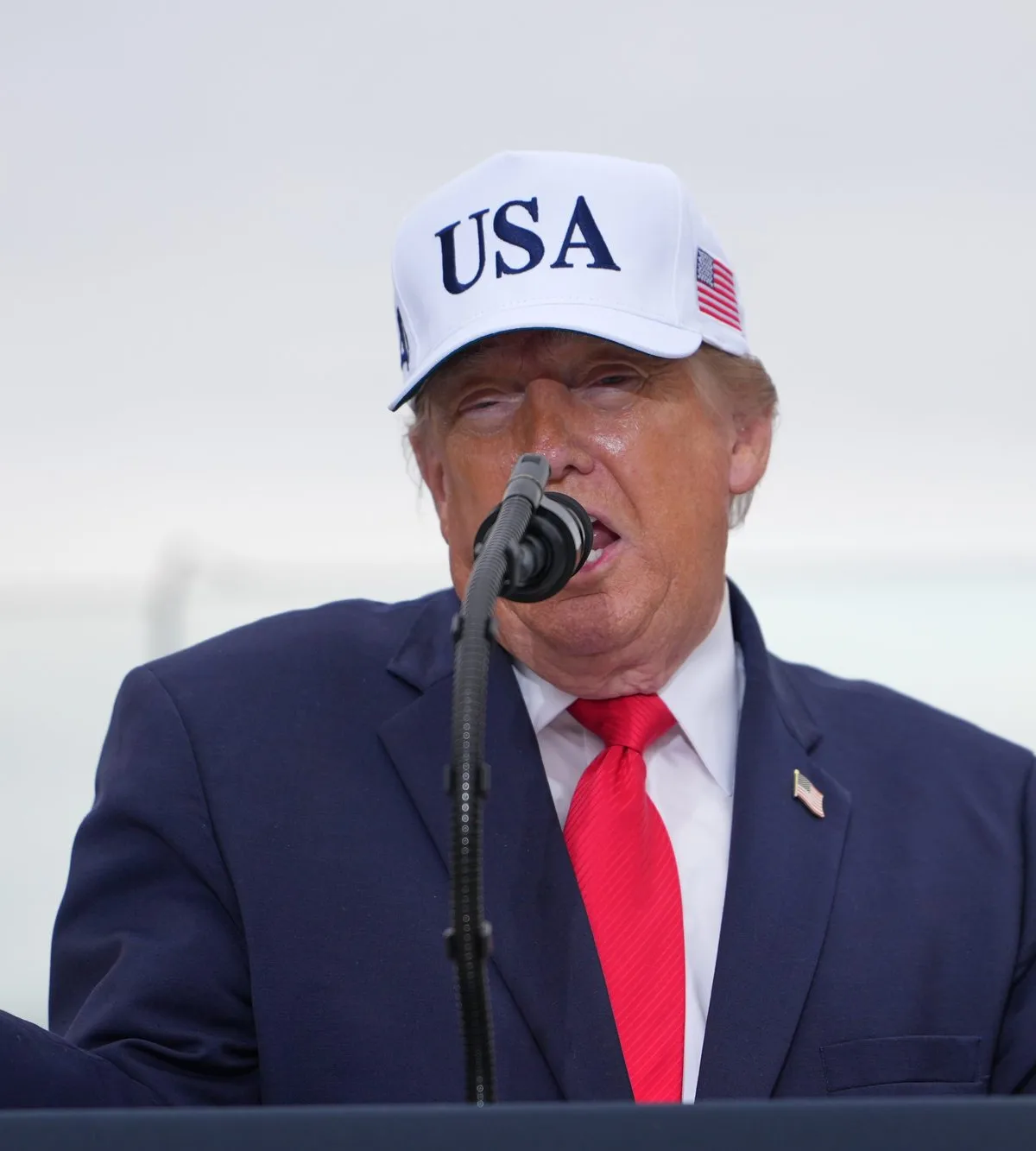
Trump will likely be upset if the midterm elections to Congress result in the Democratic "blue wave" predicted in opinion polls. A big fuss on social media and more lawsuits can be expected - and he has hinted that he will cast his “veto on everything” if the Democrats take control of Congress.
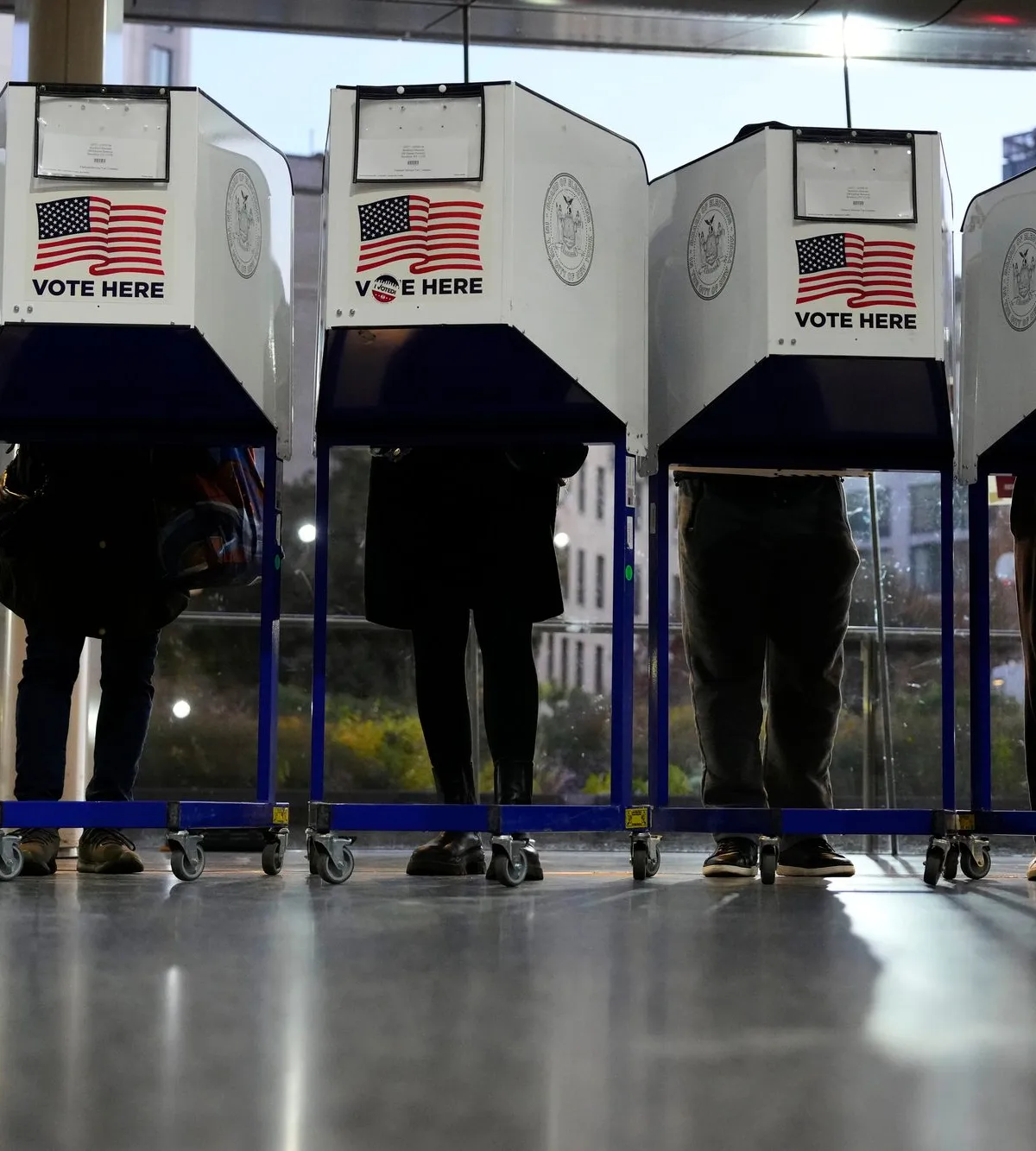
About half of voters are worried that Trump and Republicans will try to overturn an election result they don’t like, according to an opinion poll commissioned by The New York Times in October. But Trump ordering FBI or ICE officers to seize ballots, for example, as some voters have told TT they fear, is unlikely, according to Bianco.
It is illegal to send armed personnel to polling places. And now the election is underway, and he has not declared a state of emergency.
Is there a risk of scenes similar to those on January 6, 2021, when angry Trump supporters stormed Congress?
Well, I don't think you can get away with such an incident twice. The National Guard is already in Washington, D.C.; they will stay close to the Capitol.


What do you think?