Last year, 503 cases of TBE were reported in Sweden, an increase of 30 percent compared to 2024, according to the Swedish Public Health Agency.
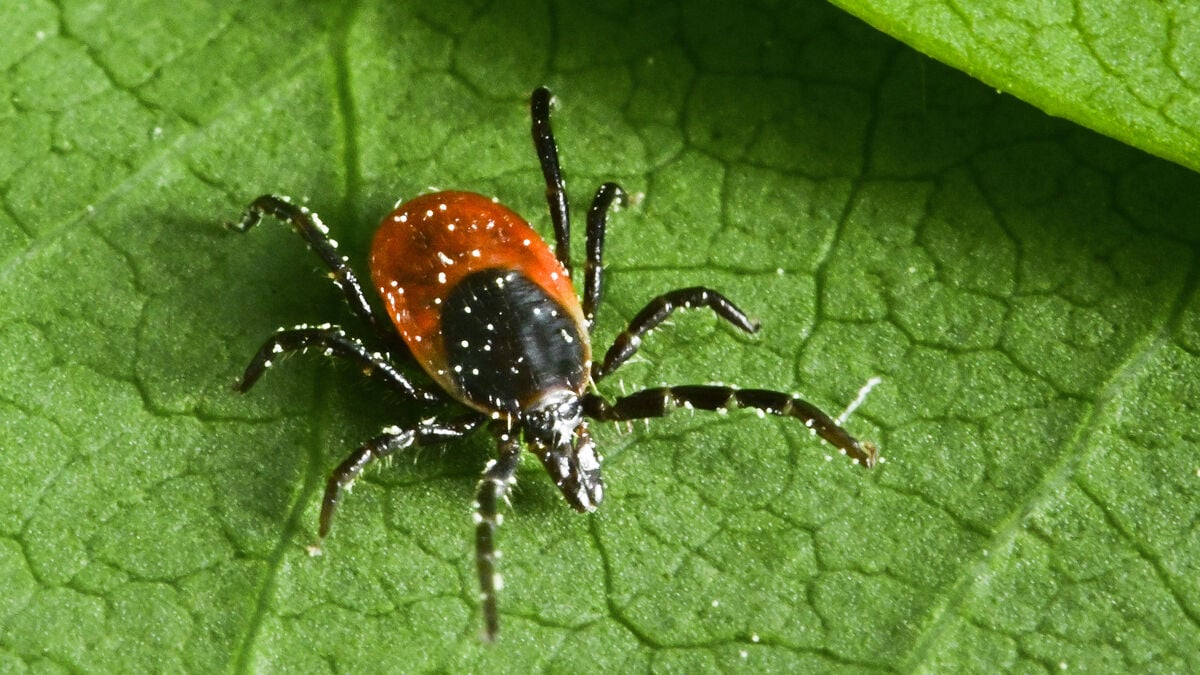
Tick season begins in March and lasts until October - November. The ticks usually survive the winter well, as they hibernate in the soil, where they are protected, according to Anna Omazic, a researcher at the Swedish Veterinary Institute (SVA).
When the snow is gone and it gets up to five to ten degrees Celsius, the ticks start to be active, she says.
How will this year's season be?
There will still be a lot of ticks, especially in southern and central Sweden, but the population has also gained a foothold along the Norrland coast. In the inland of Norrland we also find ticks, but there are still few of them.
It looks different in different regions, she adds.
If we have a very cold spring with freezing temperatures during the day and night, the eggs laid unprotected on grass blades may have difficulty surviving, which in turn contributes to fewer tick larvae surviving. If we have a warm and humid spring, they will thrive.
Why are TBE cases increasing?
Two factors that contribute to ticks becoming more numerous and spreading further north are climate change and wildlife, according to Omazic. The fact that the tick population is increasing may be a contributing factor to the increase in TBE cases, she says.
Only 1-4 percent of ticks in tick-dense areas in southern and central Sweden carry the virus. This is very few compared to Lyme disease, where every fifth to every tenth tick carries the bacteria.
Which vaccines are recommended?
The Public Health Agency of Sweden does not yet have a national recommendation for the TBE vaccine, but is investigating the issue. The assessment is made in each region.
Many regions south of the Dalälven River recommend vaccination to their residents. Around our large lakes, the Baltic coast and northern Bohuslän there is a belt with relatively high levels of TBE. If you want to know what applies, information is available on 1177, says Ulrika Marking, infectious disease physician and investigator at the Public Health Agency of Sweden.
The vaccine is approved for use from the age of one, but most regions recommend it from the age of three, according to Marking. She emphasizes that vaccines are the best way to prevent TBE.
When should you get vaccinated to be protected this summer?
It's time to start now, or get a booster if it's due, says Ulrika Marking.
Anyone who lives or stays in areas where the TBE virus is found should get vaccinated, according to 1177. The virus is mainly found in southern and central Sweden. It is most common along the coastal areas in Stockholm, Södermanland and Uppsala counties, as well as around Lake Mälaren.
People up to 50 should take two doses 1-3 months apart and a booster dose after one year, according to guidelines from the Swedish Society of Infectious Disease Physicians. After that, booster doses follow according to a specific schedule.
If you are over 50 or have a weakened immune system, three doses a few months apart are recommended, and then another dose after a year, followed by booster doses.
According to infectious disease physician Ulrika Marking at the Swedish Public Health Agency, protection can be expected two weeks after the second dose, but long-term protection is only achieved with more doses.
If you have forgotten to take a dose, you can consult your vaccination clinic or health center.