Caffeine consumption has become more common among young people. According to the Swedish National Food Agency, the consumption of energy drinks among Swedish young people doubled between 2018 and 2023. Now the Swedish National Food Agency is proposing new advice on consumption for young people.
Adolescents under 16 years of age should not consume more than 70 milligrams of caffeine per day, and children under 6 years of age should not consume caffeine at all.
A regular cup of brewed coffee typically contains 45 milligrams of caffeine. A can of energy drink may contain 80 to 200 milligrams.
Young people are particularly sensitive
Sabina Litens Karlsson is a toxicologist at the Swedish National Food Agency, and emphasizes that caffeine especially affects children and adolescents.
Children and adolescents are more sensitive to caffeine than adults. They don't weigh as much and therefore can't tolerate as much. Above all, caffeine disrupts sleep. Children and adolescents have a greater need for sleep and it is more serious if it is disrupted, she says.
She also mentions symptoms such as heart palpitations, dizziness, nausea and difficulty concentrating.
Energy drinks common
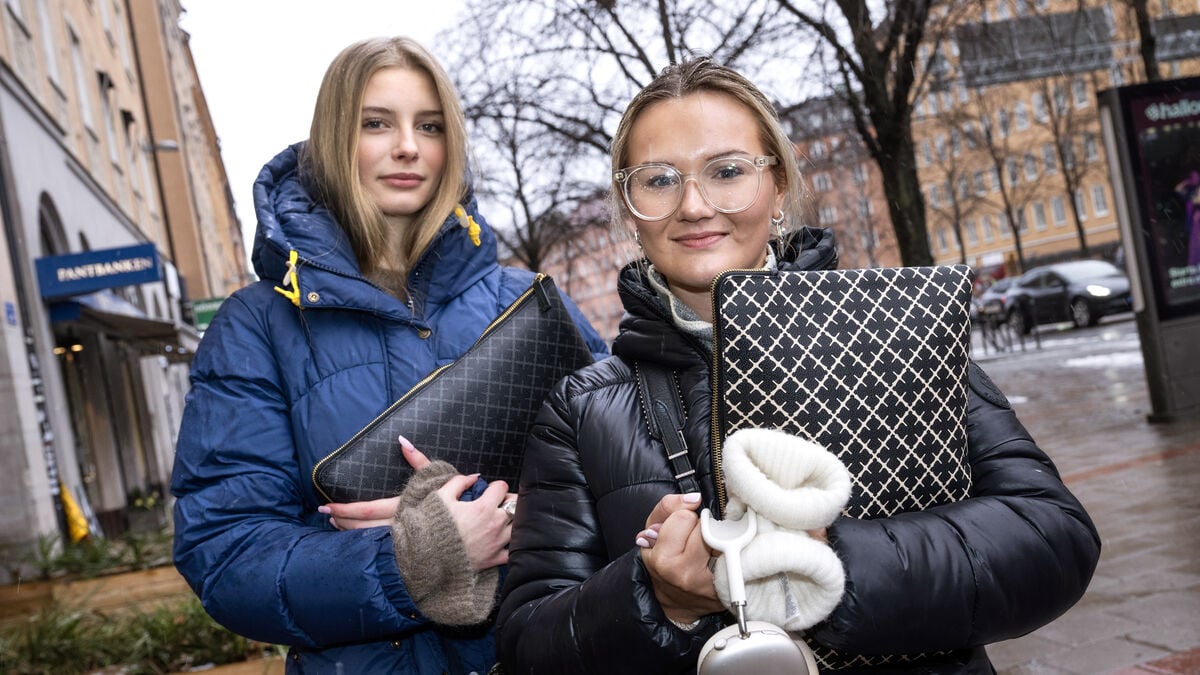
Johanna Melander and Källa Bergdahl, 18, drink energy drinks at least twice a week, and started when they were 15. Both believe that at that age they could have managed 70 milligrams a day.
"You drink it mostly for the taste; then it's a bonus that it perks you up," says Johanna Melander.
Noel Sjöstedt, 18, also drinks energy drinks once or twice a week. He describes how, at the end of primary school, it was common for classmates to drink energy drinks.
"Then it could easily be a 180-milligram can a day," he says.
Sweden is lagging behind
But it's not just about drinks. Sabina Litens Karlsson mentions other sources of caffeine, such as caffeine chewing gum. The report now aims to increase knowledge about what constitutes safe consumption for young people.
"This advice is an important step in protecting their health and well-being. We have seen that many parents and teachers are concerned," says Sabina Litens Karlsson.
According to the Swedish National Food Agency, Sweden lags behind its neighboring countries in regulating caffeine. Both Norway and Denmark have introduced a maximum limit of 320 milligrams per liter, and this year Norway introduced a statutory 16-year age limit for energy drinks.