Interspersed with accounts of continued bloody Russian attacks on Kyiv and other cities, this spring also brings reports of a budding new Ukrainian optimism.
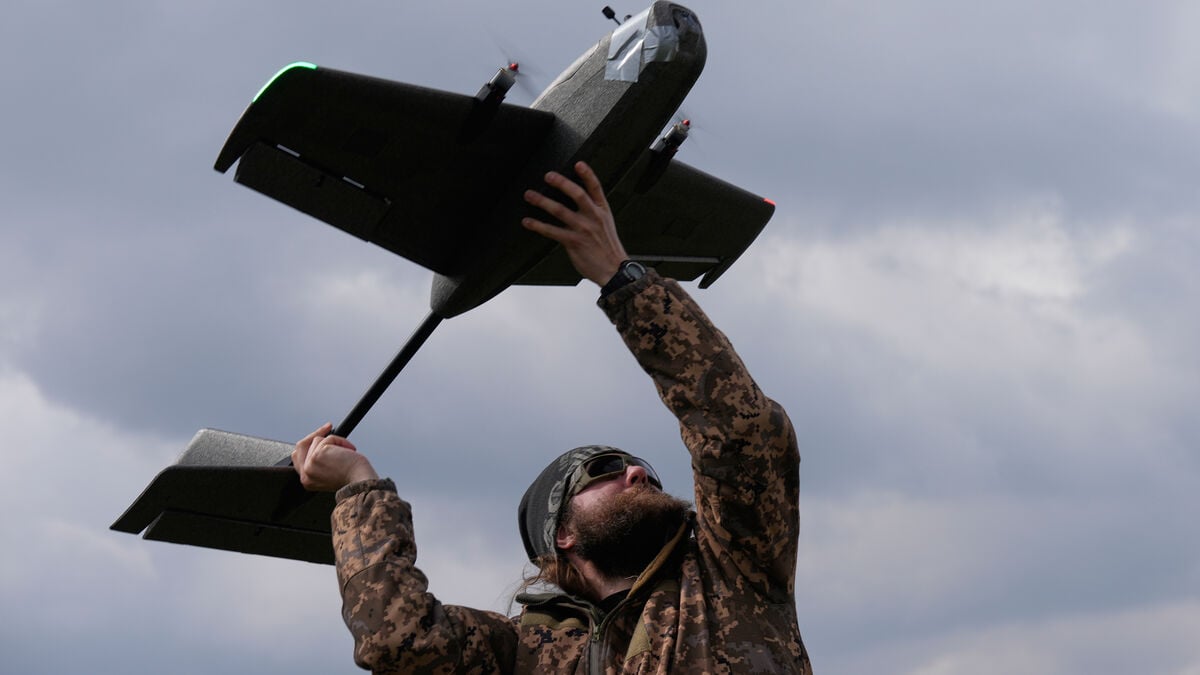
An important explanation lies in what Elfving calls “a unique capability” that Ukraine has built up to rapidly develop and mass-produce combat drones.
There are a number of smaller companies, start-ups, that develop drones, test them out on the front line and then make modifications immediately.
Many models are large, with a range extending further into Russia. On Sunday night alone, Russia's defense forces shot down 556 Ukrainian attack drones.
That's a pretty impressive figure, says Elfving, an expert with a background including teaching at the Swedish National Defense University.
Closed major airport
And although they are often shot down, attacks now regularly reach Russian cities. Explosions and falling debris are increasingly terrifying ordinary Russians.
In the Moscow area alone - about 400 kilometers from the Ukrainian border - the ISW think tank counts four important hits on targets that affect Russia's war capabilities during that night. And, perhaps just as important for war morale, drone parts hit the major Sheremetyevo airport, thereby stopping air traffic.
This is not a good development for Russia, notes Jörgen Elfving, who, in addition to the drones, sees a certain turn of events at the front itself.
Ukraine's recent battlefield successes have led to Russia not gaining ground, but even losing ground.
24 civilians killed
That's not to say that everything is pointing in the right direction. Ukraine still suffers from a glaring lack of, for example, the US Patriot system. This means holes in the air defense that open the door to bloodshed, as when 24 civilians were killed by a Russian missile in Kyiv last week.
But psychology is an important factor in war, and it now points in Ukraine's favor. Elfving addresses the signaling value of Ukraine sending several hundred drone experts to Arab countries that are exposed to Iranian attacks.
This is interesting, because it means that instead of being solely a recipient of aid, Ukraine can also deliver aid.
I think that means a lot to the Ukrainian self-image.