The government now expects Swedish GDP to increase by 2.3 percent this year. In the previous forecast, from March 11, the government predicted GDP growth of 2.8 percent.
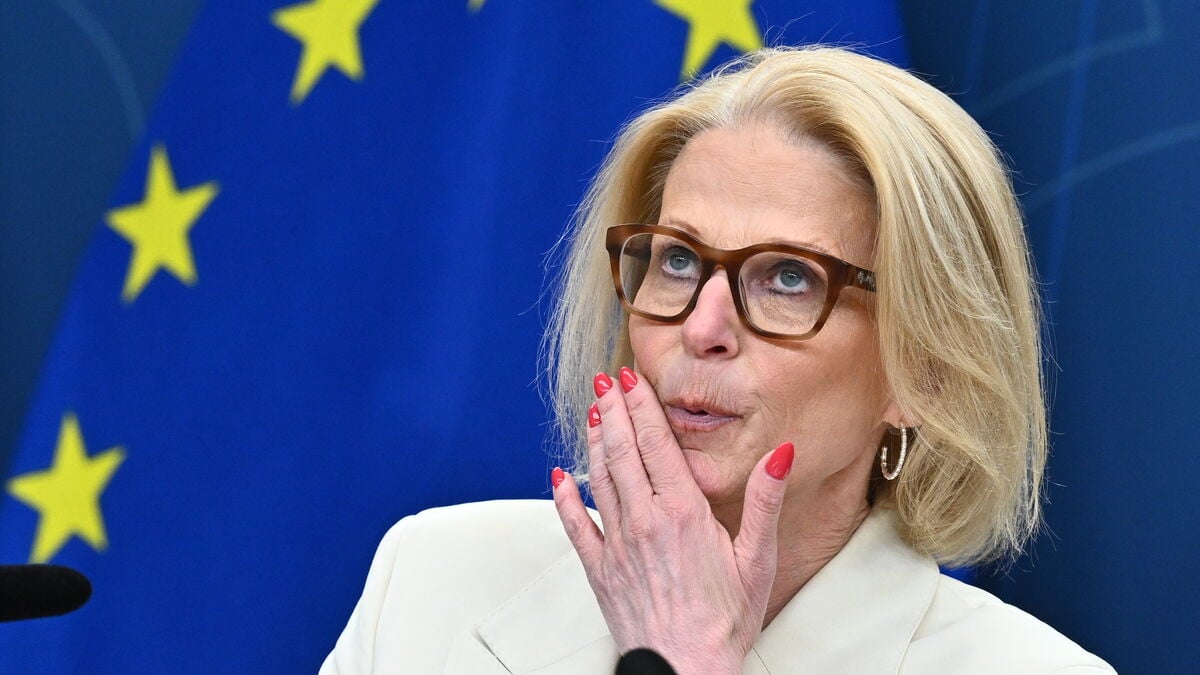
The world around us is brutally turbulent and we are greatly affected by it, says Minister of Finance Elisabeth Svantesson (M) at a press conference.
Action may be needed
Svantesson says measures may be needed to mitigate the effects on vulnerable groups.
Farmers, for example. Other measures may be needed to mitigate the effects.
She also mentions that aviation is important for Sweden.
For 2027, the government expects GDP growth of 2.7 percent, compared to 2.5 percent in the March forecast.
Unemployment is expected to fall from 8.8 percent last year to 8.5 percent this year. In the previous assessment, the government predicted unemployment this year at 8.4 percent.
The eighth time
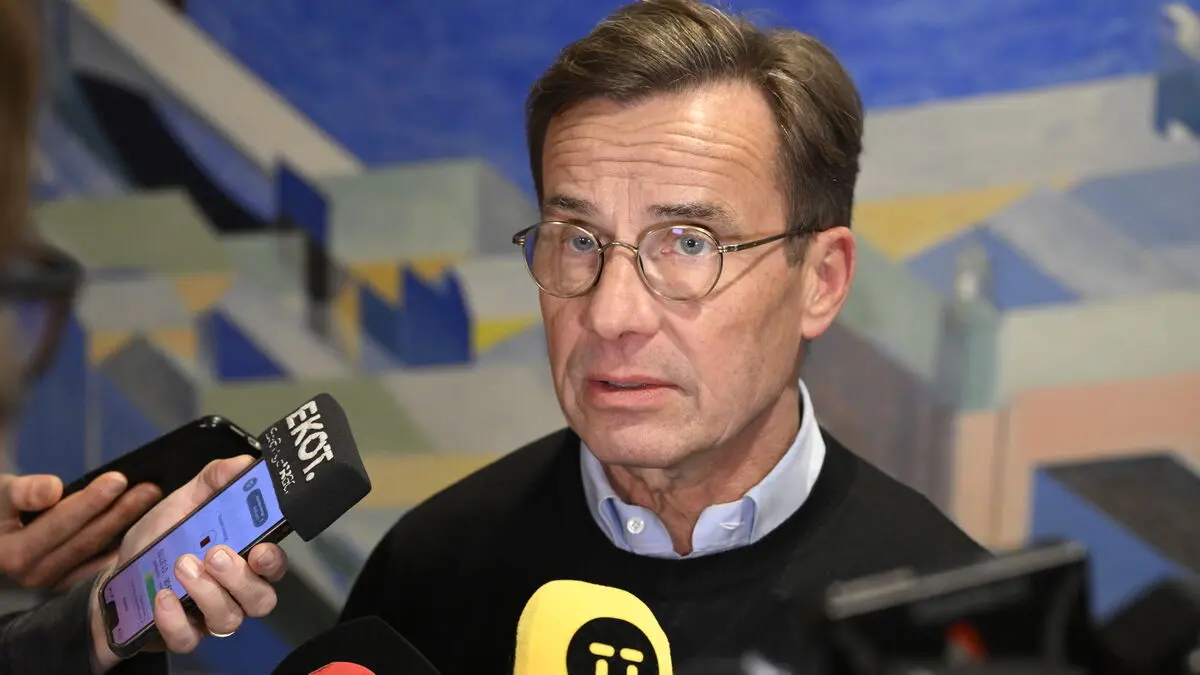
The government has lowered its growth forecast for the eighth time. And for the eighth time they are also raising unemployment, says Mikael Damberg, spokesperson for the Social Democrats.
The Center's economic policy spokesperson Martin Ådahl adds:
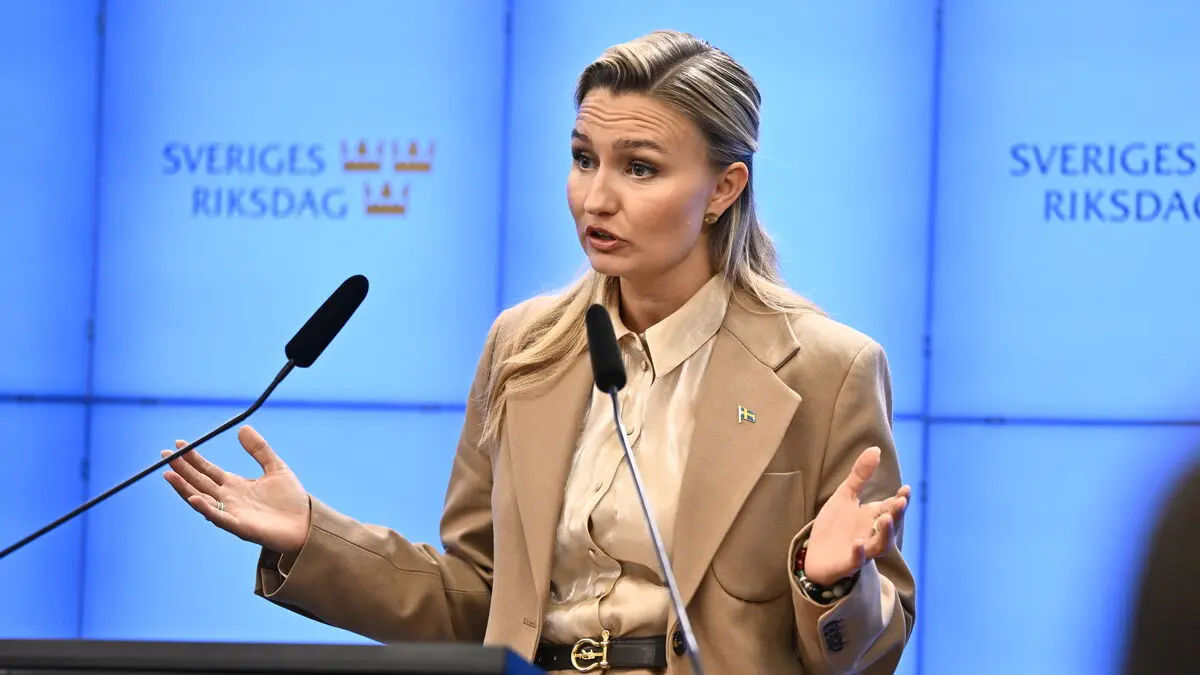
"It is serious that the government is once again coming up with an unrealistic forecast. It is time to realize that we are in the middle of a crisis," he says in a written statement.
The forecast assumes that energy deliveries via the Strait of Hormuz will normalize within a few months.
"What has happened in the Strait of Hormuz is affecting many countries and changing growth prospects worldwide, including in Sweden. The recovery continues, but the recession will be further prolonged," she says.
“Gasoline populism”
The situation could worsen further, according to Svantesson:
This will have greater economic consequences than we have in this forecast.
"The oil crisis shows how vulnerable households and companies are when Sweden is stuck in fossil fuel dependence. The government's response so far has been petrol populism. It is possible to support people without subsidizing fossil fuels," says the Green Party's Janine Alm Ericson.
The International Monetary Fund (IMF) recently released a GDP assessment for Sweden that put growth at 2.0 percent this year.
"Based on the same assumptions, the IMF came up with a much lower growth forecast for Sweden, which it now warns may be optimistic," says Ådahl.