One in three people over 65 has osteoarthritis. Globally, the number of cases is increasing by 0.12 percent each year. An aging population and more overweight people are pointed out as causes, according to Maria Andersson, head of research at R&D Spenshult in Halmstad.
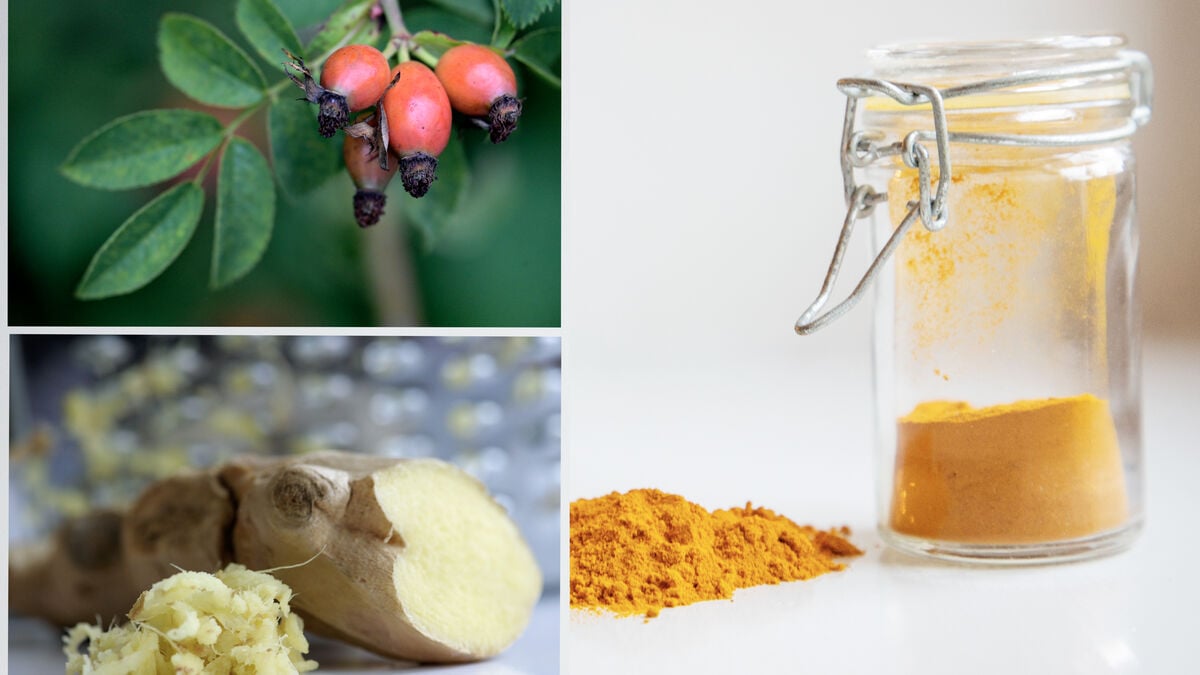
Osteoarthritis can be painful and make the sufferer numb. Andersson points out that it is natural to look for quick fixes and as a long-time osteoarthritis researcher she has come across most of them. Turmeric and ginger are joined by black pepper, magnesium and CBD oil.
"I've heard of people buying glucosamine powder for horses and sprinkling it over the food," she says.
Do natural remedies help?
No. The only things there is evidence for are physical activity and weight loss, if necessary.
It's not dangerous to exercise.
In osteoarthritis, the pain can be felt before any actual changes are visible on the X-rays. Then there are good chances for treatment. Therefore, it may be a good idea to seek help after a short period of persistent pain, according to Andersson.
This is when there is the greatest chance of influencing the disease with exercise and weight loss, so-called basic treatment.
A doctor or physiotherapist can then set up an individually tailored exercise program, also known as osteoarthritis school. Pain relief should be initiated if necessary, to also ensure that the patient can be physically active.
"It's not dangerous to exercise, there are many studies on it. It doesn't increase the breakdown of cartilage," says Andersson.
Can relieve pain
The fact that patients seek alternative treatments may be because they have not received the right help from healthcare, Andersson believes.
What is “in” depends on advertising and social media. Turmeric and ginger were already popular in the 90s, she says.
However, due to its anti-inflammatory properties, turmeric may have some pain-relieving effects, according to some studies - but more research is needed. There is also no evidence that turmeric has any effect on cartilage regeneration, according to Andersson.
Despite the lack of evidence, she believes that taking herbal remedies may not be directly dangerous. However, it is important to tell your doctor which herbal remedies you are taking, as they can interact with other medications. Herbal remedies are not tested and any side effects are not registered, according to Andersson.
I'm careful to point out that there is no evidence to support it, but if you can afford it and find it helps, there's no harm in it.
Osteoarthritis is a joint disease that causes more joint cartilage to break down than is built up. The joints in the knees, hips, fingers, back and big toe are often affected.
Osteoarthritis can be caused by factors such as being overweight, weak muscles, or repeated, one-sided stress on the joint. Osteoarthritis can also occur after a previous joint injury. The risk of osteoarthritis is greater if the disease runs in the family.
In 2024, 122,954 healthcare contacts were made in Sweden due to osteoarthritis, according to statistics from the National Board of Health and Welfare.
Evidence-based osteoarthritis treatment is physical activity and weight loss if necessary, according to researcher Maria Andersson. A Mediterranean diet - high in vegetables, fruit, whole grains, fish and vegetable oils - may have an effect on osteoarthritis, but more research is needed in this area.
Source: 1177, Maria Andersson, National Board of Health and Welfare