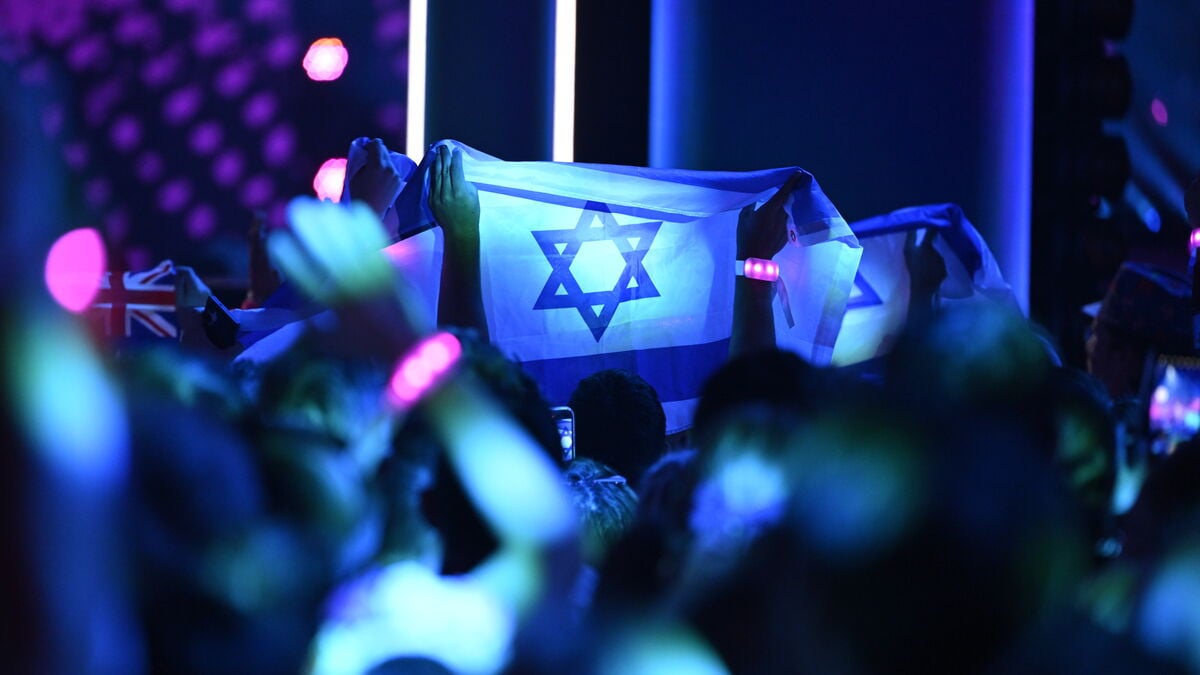
SVT and several countries in the EBU radio and television union see yesterday's decision to hammer out a set of regulations that punishes Israel, but does not exclude the country from Eurovision, as a victory for the idea that the competition should remain apolitical.
Eurovision expert Dean Vuletic has taught the history and political influence of the contest at university courses in New York, Vienna and Prague. He doesn't give much credit to SVT's reasoning.
Are you kidding? Could it be an apolitical event? This is one of the biggest political boycotts ever in Eurovision history! I don't understand how it can be interpreted that way, he says.
No victory for Israel
Dean Vuletic believes that several countries may boycott the contest. 65 percent of delegates at the EBU meeting voted in favor of the new regulations, but 23 percent voted against, The Guardian reports.
So how damaged is the Eurovision Song Contest, in the long term?
Yes, the question now is if and when the boycotting countries will return. What happens if Israel wins next year? And can we then expect an even bigger boycott in 2027?
The TV companies are right.
British expert Paul Jordan calls himself Dr Eurovision and has covered the contest for many years. He is divided about the crisis. It is inevitable that politics will shape the situation, but he feels sympathy for SVT and the other broadcasters who want to keep Eurovision out of the crisis in the Middle East.
"The TV companies are right to try to keep the competition politically neutral. It's something we in Europe have grown up with and it's part of our cultural history," he tells TT, adding:
–Not least, the pandemic showed that we need this escapism that can make us forget our worries for a while. It is extremely sad if it becomes too politicized.
Carolina Norén, a long-time Eurovision commentator on Sveriges Radio, believes the EBU made a “smart strategic evasive maneuver” with its decision. But the Israel debate will linger over the contest, putting pressure on the artists.
In 2024, the EBU had to come out and roar at everyone who jumped on the artists on social media. How will they be exposed now? Politics has entered the competition. It is an uncertain future in many ways. This is not over, she says.