Over 130 deaths have been reported so far and over 600 people are suspected of being infected. There are currently no approved vaccines or treatments for the Ebola variant that caused the outbreak.
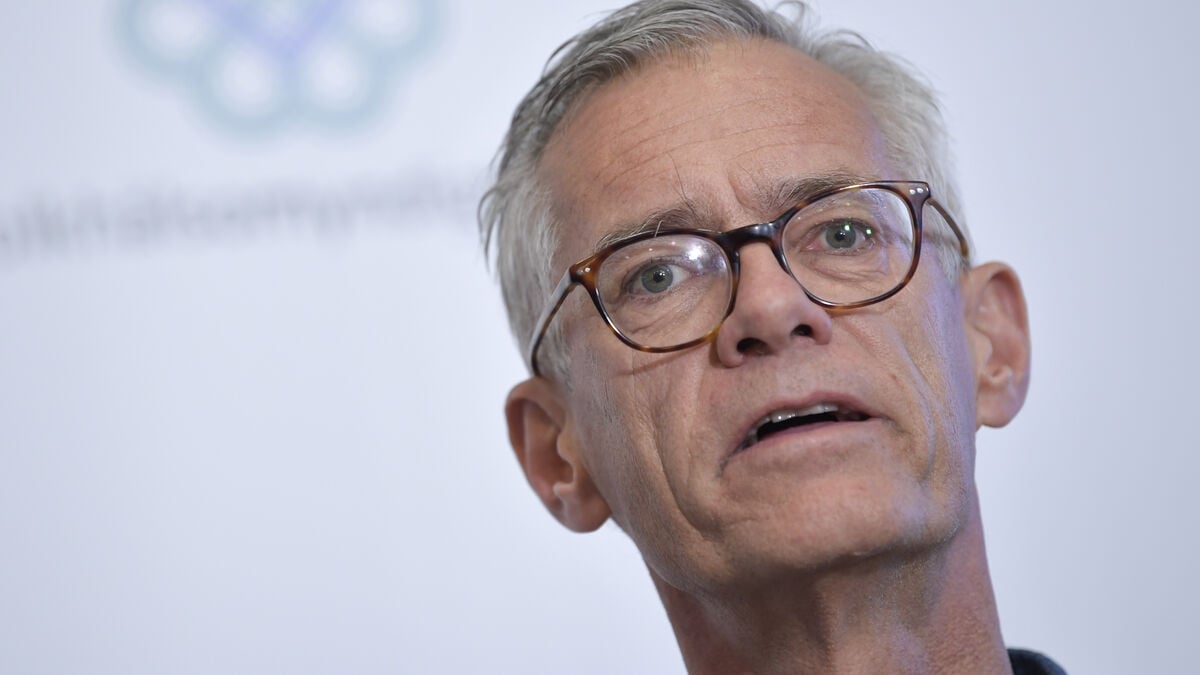
"We have fallen behind. This has probably been going on for quite a long time, but they haven't caught on that it is Ebola because it is a rarer form of Ebola. Then it has spread to a very large geographical area," says Johan von Schreeb, professor at Karolinska Institutet.
No risk in Sweden
It is only a matter of time before cases appear in South Sudan, Tanzania and Rwanda, believes Johan von Schreeb.
However, he sees no risk of spread in Europe, except for isolated imported cases.
"I think it is completely out of the question that there would be any spread of this disease in a functioning health system like Sweden's. The disease does not spread that way. Here we will isolate people," he says.
Here, the person affected would receive intensive care and substantial resources would be deployed to prevent the spread. von Schreeb believes that 60–70 people working full-time would be needed to care for a patient, if all different staff categories are included.
For those who get sick in Congo-Kinshasa, the situation is completely different.
"There is a lack of resources for the seriously ill; there is no intensive care available. That is why the mortality rate is very high," says von Schreeb.
Conflict and poverty
The situation is made worse by the fact that the infection is spreading in a conflict zone with extreme poverty, where there is great distrust of authorities and between different parties. This makes it difficult to reach the population with information, which is one of the key factors in slowing the spread.
Another major problem is the lack of resources. Healthcare workers lack equipment and it is also not certain that they will be paid. The fact that the WHO has declared a state of emergency opens the way for countries and organizations to start sending healthcare supplies, protective equipment, money and personnel, among others. Doctors Without Borders has decided to step up emergency operations.
"We have to slow this down. We don't have control now, we know far too little. We need to get more lab equipment, we need to understand faster in order to be able to limit the outbreak, get isolation units set up, get materials for healthcare workers and hopefully get a vaccine quickly that can at least protect the staff," says von Schreeb.
Ebola virus is an RNA virus that causes hemorrhagic fever. There are six variants of Ebola virus – four of which cause disease in humans.
The Bundibugyo virus variant is behind the current outbreak in Congo-Kinshasa. There are no vaccines or specific treatments for it, making the situation particularly challenging.
Ebola virus is transmitted between people through bodily fluids. Sexual transmission also occurs.
The illness occurs rapidly with flu-like symptoms such as high fever, headache, sore throat, gastrointestinal symptoms and muscle pain. At the end of the course of the disease, bleeding may occur on the skin and in internal organs.
The mortality rate is estimated to be 50–90 percent in outbreaks in affected African countries. With access to adequate intensive care, the mortality rate is likely to be significantly lower.
Source: Public Health Agency of Sweden, CDC